 Assisted Reproduction Center
 Assisted Reproduction Center
Asymptomatic bacteriuria (ASB) in women during pregnancy is a specific pathological condition that can only be detected through laboratory methods. The main characteristic of this disorder is the absence of pronounced clinical symptoms (complaints and signs) while detecting a significant amount of microorganisms in the urine. The diagnosis is confirmed if, on two consecutive urine analyses performed at least 24 hours apart, the same type of bacteria is detected at a concentration of 100,000 colony-forming units per milliliter (CFU/ml) or more.
To identify the pathology in a timely manner, modern diagnostic approaches are used: general clinical urine analysis, bacteriological culture (definitive test), as well as rapid methods such as the photocolorimetric TTH test. The therapeutic strategy is based on the use of drug groups that are safe for the fetus, including phosphomycin, cephalosporins, semi-synthetic penicillins, synthetic nitrofurans, and herbal urinary antiseptics..
Prevalence and General Information
According to epidemiological data, latent bacteriuria is diagnosed in 2.5 to 26% of pregnant women. Socioeconomic status is an important social factor: in patients with low socioeconomic status, the risk of developing the syndrome is multiplied by 5. Often, colonization of the urinary tract by bacteria occurs even before pregnancy begins, in a latent form.
The distribution according to the stage of pregnancy shows that the problem is most often detected during the first trimester (about 52.3% of cases). During the second trimester, the pathology is detected in 35.4% of examined women, and during the third trimester, in 12.3%. The World Health Organization (WHO) sets the clinical significance threshold at 10^5 CFU/ml, but practicing urologists and gynecologists note that the risk of complications during pregnancy increases even at lower levels, ranging between 100 and 10,000 CFU/ml.
Etiology and Causes
The main pathogens are commensal microorganisms, normally present in the perianal and periurethral areas. In 95% of cases, mono-infection (a single type of bacteria) is observed.
Structure of pathogenic agents:
- Gram-negative flora (more than 60% of cases): the primary role is played by Escherichia coli, detected in 51.7% of patients. Klebsiella, Proteus, Enterobacter, Citrobacter, and Pseudomonas aeruginosa are also found.
- Gram-positive flora: represented by staphylococci (epidermidis, saprophytic, hemolytic), fecal Enterococci, and pyogenic streptococci.
Risk factors include:
- The presence of bacterial vaginosis and previous urinary system infections.
- Structural anomalies of the kidneys and ureters, urinary stones.
- Concomitant diseases: diabetes mellitus, chronic tonsillitis, frequent respiratory infections.
- Lifestyle: long-term smoking.
Factors specific to the gestational period:
- Urodynamic changes: elevated progesterone levels cause relaxation of the smooth muscles of the ureters and bladder (hypotonia), leading to urine stasis and the appearance of reflux (backward flow). An enlarged uterus also mechanically compresses the organs of the urinary system.
- Metabolic changes: placental hormones cause physiologic insulin resistance. This can lead to the appearance of glucose in the urine (glycosuria), which creates an ideal nutritional environment for bacterial proliferation.
- Immunosuppression: to protect the fetus from rejection, the mother's body reduces the activity of killer T lymphocytes, macrophages, and phagocytes, making the urinary tract more vulnerable to infections.
Asymptomatic Bacteriuria in Reproductive Medicine Protocols
In the field of reproduction and assisted reproductive techniques, the attitude towards asymptomatic bacteriuria is extremely strict. Patients entering IVF protocols or ICSI undergo thorough screening, as the presence of an untreated infection focus in the urinary system can directly impact the success rate of the procedure.
Particularities in the context of ART (assisted reproductive technology):
- Preparation for implantation: chronic asymptomatic bacteriuria may maintain a systemic inflammatory state, which in some cases is correlated with failed embryonic implantation.
- Risk of ascending infection during aspiration: during transvaginal follicle aspiration, there is a risk of introducing microflora, which is why perfect hygiene of the urogenital tract is a condition sine qua non for safety.
- Influence of hormonal support: high doses of estrogens and progesterone in stimulation protocols and thawed embryo transfer cycles (freeze-thaw protocols) further decrease urinary tract tone, creating conditions for rapid transition of ASB to acute cystitis or pyelonephritis immediately after the start of pregnancy.
- Exam specifics: fertility specialists often recommend urine culture not only during preparation but also immediately before embryo transfer, to exclude any risk during the earliest stages of fetal development.
Pathogenic Mechanisms
The development of ASB primarily occurs via an ascending route. Microorganisms from the mucous membranes of the external genital organs enter the bladder and beyond through the relaxed sphincter of the urethra. Due to a weakened immune system, the usual inflammatory reaction is not triggered, but bacteria with adhesion factors attach firmly to the urothelium. An increase in urine pH and the presence of sugars in its composition accelerate colony growth.
Possible Complications
Despite the lack of symptoms, latent bacteriuria poses a serious threat. In 20 to 40% of untreated patients, acute gestational pyelonephritis develops. Bacterial metabolic products stimulate prostaglandin synthesis, substances that cause uterine contractions, leading to premature labor. Other risks include:
- Severe toxemia and anemia.
- Fetal-placental insufficiency and intrauterine hypoxia.
- Infectious lesions of fetal membranes (chorioamnionitis) and postpartum endometritis.
- An increase of 2 to 2.9 times in neonatal mortality and prematurity.
Diagnosis
Screening for bacteriuria is mandatory for all pregnant women upon registration. The main difficulty lies in the absence of symptoms, which is why diagnosis relies on laboratory data:
- Urinalysis: detects bacteria, leukocytes, pH modification, and glycosuria.
- Bacteriological culture: confirmation of the same pathogen at a titer of 10^5 CFU/ml on two separate occasions.
- TTH test: screening method using triphenyltetrazolium chloride, providing results in 4 hours with 90% accuracy.
Additionally, renal ultrasound, Nechiporenko tests, blood biochemical analysis, and consultations with specialists (urologist, nephrologist) can be prescribed. Differential diagnosis is performed with cystitis, urethritis, and accidental contamination of the urine sample.
Treatment and Rehabilitation
Treatment is prescribed immediately after diagnosis confirmation, even if the woman has no symptoms. The treatment is usually outpatient.
- Therapeutic schemes: a one-day treatment based on fosfomycin is preferred (high safety and efficacy). Three-day treatments using cephalosporins or penicillins are also used. Nitrofurans are only permitted during the first and second trimesters.
- Control: a new sample is taken 14 days after medication administration.
- Auxiliary measures: drink plenty, consume cranberry or lingonberry juice (to acidify urine), take herbal medicinal products.
In case of past Bacteriuria, vaginal delivery is recommended; caesarean section is performed only for obstetric reasons.
Prognosis and Preventive Measures
With adequate treatment, effectiveness reaches 90%. Early treatment reduces the risk of pyelonephritis by 70 to 80%. Prevention includes managing infection sources before conception, quitting harmful habits, controlling weight, and preventive use of herbal urinary antiseptics in high-risk groups.
Recommended Bibliography and European Sources
To deepen your understanding and familiarize yourself with current international standards, we recommend consulting the following sources:
- EAU Guidelines on Urological Infections (2023/2024). The European Association of Urology's guideline is a key document in Europe regulating the diagnosis and treatment of urinary tract infections, with specific sections on management of pregnant women.
- Smaill FM, Vazquez JC. Antibiotics for asymptomatic bacteriuria in pregnancy. Cochrane Database of Systematic Reviews. This is a fundamental European meta-analysis confirming the efficacy of antibiotic treatment in reducing the risks of pyelonephritis and preterm birth.
- ESCMID guideline for the management of asymptomatic bacteriuria. The guideline from the European Society of Clinical Microbiology and Infectious Diseases (ESCMID) provides detailed recommendations on microbiological diagnosis and rational antibiotic choice.
- European Consensus on the management of urinary tract infections in pregnancy. Consensus documents from European expert groups published in the journals Clinical Microbiology and Infection (CMI) and The Lancet Infectious Diseases.
- WHO recommendations on prenatal care for a healthy pregnancy. WHO guide widely used in the European healthcare system for standardization of BBA screening in prenatal monitoring.
FAQ: Frequently Asked Questions
1. Why is bacteriuria called "asymptomatic"? Because the woman shows none of the typical infection symptoms: she feels no pain during urination, has no fever, and no lumbar pain. The problem is only detected through analysis results.
2. Can I skip treatment for bacteriuria if I have no symptoms? No, it must be treated absolutely. In pregnant women, this condition progresses in 40% of cases to acute pyelonephritis (kidney inflammation), which endangers both mother and child.
3. How dangerous are antibiotics for the fetus during BBA treatment? Only medications whose safety has been verified are chosen for treatment. For example, phosphomycin or penicillins have no negative effects on the child's development, while kidney infection is much more dangerous.
4. Why are two urine analyses needed to confirm the diagnosis? This is necessary to exclude "false bacteriuria" caused by incorrect urine collection or accidental presence of bacteria from skin contamination.
5. Is cranberry juice without tablets sufficient? Juice and abundant hydration are excellent adjuncts that help "eliminate" bacteria and modify urine pH, but they cannot completely destroy colonies of microorganisms in the urinary tract. Antibiotic treatment remains essential.
6. How to correctly collect urine to obtain a reliable result? Use a sterile container, perform careful hygiene of the external genital organs, and precisely collect the midstream of the first morning urine.

Dr. Cristina Pérez
Specialist in Assisted Reproduction
Medical Director
Medical Director

Dr. Jean-Paul Bouiller
Specialist in Assisted Reproduction

Dr. Frédéric Lamazou
Specialist in Assisted Reproduction
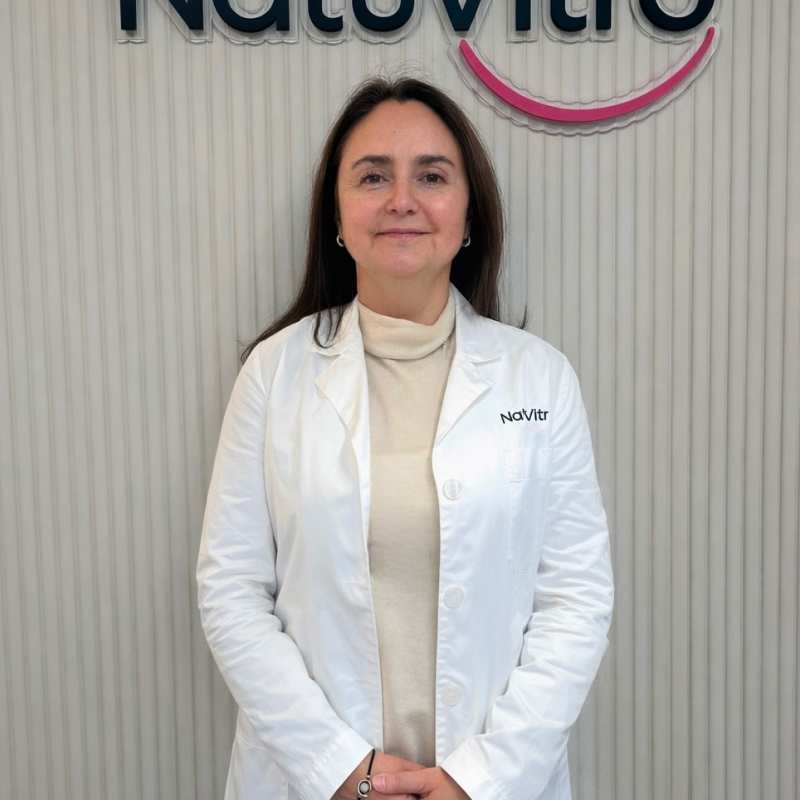
Dr. Karinna Lattes
Chief Scientific Officer

Dr. Elena Prada
Specialist in Assisted Reproduction

Dr. Maria Jesús Puy
Specialist in Assisted Reproduction

Dr. Patricia Zabala Franco
Specialist in Assisted Reproduction
Have questions?
Request your free consultation today!
Our experts are ready to examine your case history, clarify your choices, and address every question you have.
Don't wait to make informed decisions – your personalized guidance awaits!
The field is filled in incorrectly
+34
- Spain (España)+34
- France (La France)+33
- Italy (Italia)+39
- United Kingdom+44
- United States+1
- Belgium (België)+32
- Switzerland (Schweiz/Suisse)+41
- Germany (Deutschland)+49
- Netherlands (Nederland)+31
- Afghanistan (افغانستان)+93
- Albania (Shqipëri)+355
- Algeria (الجزائر)+213
- American Samoa+1
- Andorra+376
- Angola+244
- Anguilla+1
- Antigua and Barbuda+1
- Argentina+54
- Armenia (Հայաստան)+374
- Aruba+297
- Ascension Island+247
- Australia+61
- Austria (Österreich)+43
- Azerbaijan (Azərbaycan)+994
- Bahamas+1
- Bahrain (البحرين)+973
- Bangladesh (বাংলাদেশ)+880
- Barbados+1
- Belarus (Беларусь)+375
- Belize+501
- Benin (Bénin)+229
- Bermuda+1
- Bhutan (འབྲུག)+975
- Bolivia+591
- Bosnia and Herzegovina (Босна и Херцеговина)+387
- Botswana+267
- Brazil (Brasil)+55
- British Indian Ocean Territory+246
- British Virgin Islands+1
- Brunei+673
- Bulgaria (България)+359
- Burkina Faso+226
- Burundi (Uburundi)+257
- Cambodia (កម្ពុជា)+855
- Cameroon (Cameroun)+237
- Canada+1
- Cape Verde (Kabu Verdi)+238
- Caribbean Netherlands+599
- Cayman Islands+1
- Central African Republic (République centrafricaine)+236
- Chad (Tchad)+235
- Chile+56
- China (中国)+86
- Christmas Island+61
- Cocos (Keeling) Islands+61
- Colombia+57
- Comoros (جزر القمر)+269
- Congo (DRC) (Jamhuri ya Kidemokrasia ya Kongo)+243
- Congo (Republic) (Congo-Brazzaville)+242
- Cook Islands+682
- Costa Rica+506
- Côte d’Ivoire+225
- Croatia (Hrvatska)+385
- Cuba+53
- Curaçao+599
- Cyprus (Κύπρος)+357
- Czech Republic (Česká republika)+420
- Denmark (Danmark)+45
- Djibouti+253
- Dominica+1
- Dominican Republic (República Dominicana)+1
- Ecuador+593
- Egypt (مصر)+20
- El Salvador+503
- Equatorial Guinea (Guinea Ecuatorial)+240
- Eritrea+291
- Estonia (Eesti)+372
- Eswatini+268
- Ethiopia+251
- Falkland Islands (Islas Malvinas)+500
- Faroe Islands (Føroyar)+298
- Fiji+679
- Finland (Suomi)+358
- French Guiana (Guyane française)+594
- French Polynesia (Polynésie française)+689
- Gabon+241
- Gambia+220
- Georgia (საქართველო)+995
- Ghana (Gaana)+233
- Gibraltar+350
- Greece (Ελλάδα)+30
- Greenland (Kalaallit Nunaat)+299
- Grenada+1
- Guadeloupe+590
- Guam+1
- Guatemala+502
- Guernsey+44
- Guinea (Guinée)+224
- Guinea-Bissau (Guiné Bissau)+245
- Guyana+592
- Haiti+509
- Honduras+504
- Hong Kong (香港)+852
- Hungary (Magyarország)+36
- Iceland (Ísland)+354
- India (भारत)+91
- Indonesia+62
- Iran (ایران)+98
- Iraq (العراق)+964
- Ireland+353
- Isle of Man+44
- Israel (ישראל)+972
- Italy (Italia)+39
- Jamaica+1
- Japan (日本)+81
- Jersey+44
- Jordan (الأردن)+962
- Kazakhstan (Казахстан)+7
- Kenya+254
- Kiribati+686
- Kosovo+383
- Kuwait (الكويت)+965
- Kyrgyzstan (Кыргызстан)+996
- Laos (ລາວ)+856
- Latvia (Latvija)+371
- Lebanon (لبنان)+961
- Lesotho+266
- Liberia+231
- Libya (ليبيا)+218
- Liechtenstein+423
- Lithuania (Lietuva)+370
- Luxembourg+352
- Macau (澳門)+853
- North Macedonia (Македонија)+389
- Madagascar (Madagasikara)+261
- Malawi+265
- Malaysia+60
- Maldives+960
- Mali+223
- Malta+356
- Marshall Islands+692
- Martinique+596
- Mauritania (موريتانيا)+222
- Mauritius (Moris)+230
- Mayotte+262
- Mexico (México)+52
- Micronesia+691
- Moldova (Republica Moldova)+373
- Monaco+377
- Mongolia (Монгол)+976
- Montenegro (Crna Gora)+382
- Montserrat+1
- Morocco (المغرب)+212
- Mozambique (Moçambique)+258
- Myanmar (Burma) (မြန်မာ)+95
- Namibia (Namibië)+264
- Nauru+674
- Nepal (नेपाल)+977
- New Caledonia (Nouvelle-Calédonie)+687
- New Zealand+64
- Nicaragua+505
- Niger (Nijar)+227
- Nigeria+234
- Niue+683
- Norfolk Island+672
- North Korea (조선 민주주의 인민 공화국)+850
- Northern Mariana Islands+1
- Norway (Norge)+47
- Oman (عُمان)+968
- Pakistan (پاکستان)+92
- Palau+680
- Palestine (فلسطين)+970
- Panama (Panamá)+507
- Papua New Guinea+675
- Paraguay+595
- Peru (Perú)+51
- Philippines+63
- Poland (Polska)+48
- Portugal+351
- Puerto Rico+1
- Qatar (قطر)+974
- Réunion (La Réunion)+262
- Romania (România)+40
- Russia (Россия)+7
- Rwanda+250
- Saint Barthélemy+590
- Saint Helena+290
- Saint Kitts and Nevis+1
- Saint Lucia+1
- Saint Martin (Saint-Martin (partie française))+590
- Saint Pierre and Miquelon (Saint-Pierre-et-Miquelon)+508
- Saint Vincent and the Grenadines+1
- Samoa+685
- San Marino+378
- São Tomé and Príncipe (São Tomé e Príncipe)+239
- Saudi Arabia (المملكة العربية السعودية)+966
- Senegal (Sénégal)+221
- Serbia (Србија)+381
- Seychelles+248
- Sierra Leone+232
- Singapore+65
- Sint Maarten+1
- Slovakia (Slovensko)+421
- Slovenia (Slovenija)+386
- Solomon Islands+677
- Somalia (Soomaaliya)+252
- South Africa+27
- South Korea (대한민국)+82
- South Sudan (جنوب السودان)+211
- Spain (España)+34
- Sri Lanka (ශ්රී ලංකාව)+94
- Sudan (السودان)+249
- Suriname+597
- Svalbard and Jan Mayen+47
- Sweden (Sverige)+46
- Syria (سوريا)+963
- Taiwan (台灣)+886
- Tajikistan+992
- Tanzania+255
- Thailand (ไทย)+66
- Timor-Leste+670
- Togo+228
- Tokelau+690
- Tonga+676
- Trinidad and Tobago+1
- Tunisia (تونس)+216
- Turkey (Türkiye)+90
- Turkmenistan+993
- Turks and Caicos Islands+1
- Tuvalu+688
- U.S. Virgin Islands+1
- Uganda+256
- Ukraine (Україна)+380
- United Arab Emirates (الإمارات العربية المتحدة)+971
- Uruguay+598
- Uzbekistan (Oʻzbekiston)+998
- Vanuatu+678
- Vatican City (Città del Vaticano)+39
- Venezuela+58
- Vietnam (Việt Nam)+84
- Wallis and Futuna (Wallis-et-Futuna)+681
- Western Sahara (الصحراء الغربية)+212
- Yemen (اليمن)+967
- Zambia+260
- Zimbabwe+263
- Åland Islands+358
The field is filled in incorrectly
Visit our clinic
We are located in the heart of Barcelona.
Location
Call us now
Leave a message