 Assisted Reproduction Center
 Assisted Reproduction Center
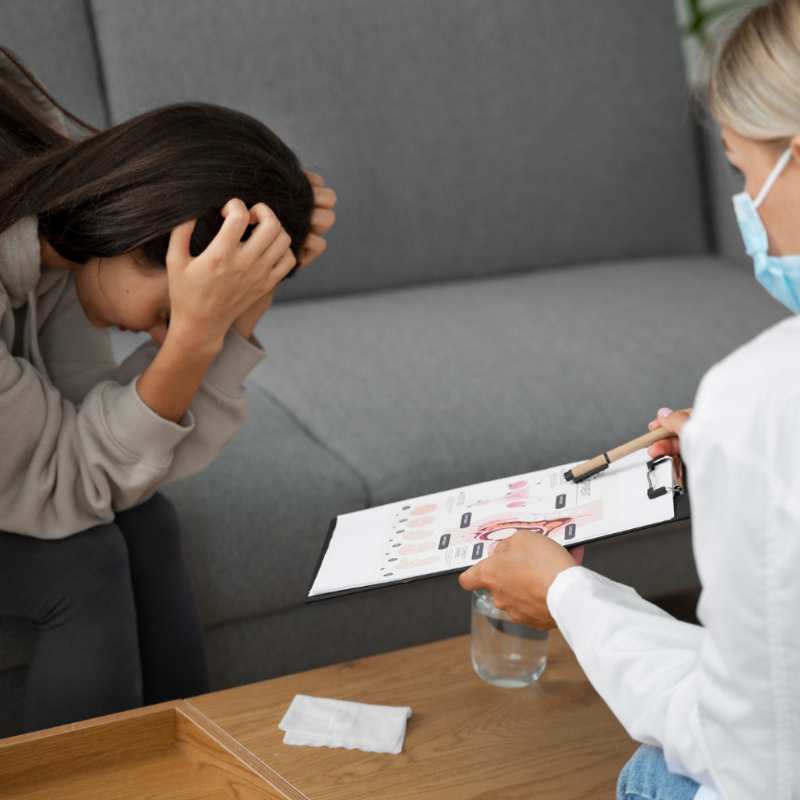
This article does not claim to reveal anything radically new; its goal is to refresh the memory on what we already know. It aims to recall these anxieties and these unfinished internal processes that are skillfully masked by daily routines, these things that we sometimes feel ashamed to admit, even to ourselves, not to mention our surroundings. What are panic attacks and how to fight them? Let’s try to understand.
What exactly is meant by “panic attack”?
A panic attack is a sudden and inexplicable episode of overwhelming terror and anxiety. It is often accompanied by a sharp feeling of fear and a strong adrenaline rush, activating the ancestral survival mechanism responsible for rescuing life. This crisis manifests through a combination of various vegetative or somatic (bodily) symptoms. For example: a sudden cardiac malfunction with an accelerated heartbeat that the person “literally hears”; a sudden and intense weakness, sometimes accompanied by dizziness; an increase in blood pressure; a migraine; a sensation of internal trembling; fear of imminent death; shortness of breath or difficulty breathing, etc. It is important to emphasize that all these symptoms are clinical and physical manifestations of panic attacks, not psychological!
Let’s examine this phenomenon from another angle. Each symptom has its origin, its starting point. A panic attack, by nature, is a psychosomatic state. The key word here is “state,” not “illness”!
Causes of panic attacks
In most cases, the causes of panic attacks are a complex entanglement of psychological, physiological, and social factors that activate this defense mechanism of our body. Among the most common triggers are:
- Stress. This is a trigger that tends to accumulate, like a snowball. Chronic stress at work, family problems, financial difficulties, or the loss of a loved one create a permanent and latent state of anxiety. The body stays alert and, at some point, this system malfunctions and triggers even in the absence of a real threat.
- Hereditary predisposition. If parents or other close relatives have suffered from panic attacks, the risk of developing them is higher. This may be related to genetically transmitted particularities of the nervous system functioning.
- Hormonal changes. This is especially true for women. Menstrual cycles, pregnancy, postpartum period, or the arrival of menopause can trigger panic attacks due to significant hormonal fluctuations.
- Substance abuse. Caffeine, alcohol, or illicit drugs place excessive load on the nervous system, which eventually leads to dysfunction. Sudden cessation of usual stimulants can also trigger an acute anxiety attack.
- Concomitant illnesses. Symptoms indicating thyroid problems, cardiovascular troubles, or diabetes can be very similar to those of a panic attack or directly provoke its appearance. The body reacts to a physical imbalance as if it were a direct threat.
- Traumatic events in the past. Even after many years, a situation, a sound, or even a smell can, at a subconscious level, bring a person back to their trauma and activate the body's defensive reaction.
It is extremely important to understand that a panic attack is not a sign of weakness or mental disorder. It is a natural reaction of your body to extreme overwork. It’s a signal indicating that it’s time to pay close attention to your emotional and physical well-being.
Types of panic attacks
Panic attacks can manifest in different ways. Let’s look at the most common types:
- Spontaneous. They occur literally “out of the blue,” with no apparent reason or warning sign. A person may be perfectly calm, doing their daily routines, such as watching TV, and suddenly be overwhelmed by a wave of adrenaline and intense, inexplicable fear. This is the most unpredictable type, which is often the most frightening, because it is impossible to prepare for it.
- Situational attacks. These crises are clearly linked to triggers or specific circumstances. They often develop in particular places: in an elevator, in an airplane, in a crowded shopping mall. Sometimes, the trigger is a specific situation: needing to speak in public, an imminent medical procedure, or an important professional meeting. The person begins to sense the crisis as soon as they find themselves in familiar triggering circumstances.
- Conditional and situational. They may occur in a given situation, but their appearance is not guaranteed. For instance, a panic attack might happen while driving a car, but not on every trip.
- Night attacks. These panic attacks occur during sleep and literally wake the person from their sleep. They wake up sweaty, with a pounding heart, and filled with wild terror. These crises are particularly insidious because they severely disturb rest and may cause the person to develop a fear of falling asleep.
- Hidden (lurking). In these cases, physical (somatic) symptoms are predominant: cardiac pains, severe dizziness, gastrointestinal issues, without a pronounced feeling of anxiety or panic. They are very difficult to recognize because the person initially consults general practitioners (cardiologists, gastroenterologists) rather than psychologists or psychiatrists.
Understanding what panic attacks are significantly facilitates the path towards their elimination.
Symptoms of panic attacks
Many people wonder what panic attacks are, what their symptoms and causes are. The symptoms of panic attacks, regardless of their type, are very similar and manifest as follows:
- accelerated heartbeat (tachycardia), internal trembling, excessive sweating;
- shortness of breath, lack of air, difficulty breathing or sensation of suffocation;
- dizziness, numbness in limbs, pre-fainting state, weakness;
- sudden nausea, abdominal discomfort, gastrointestinal disturbances;
- sensation of unreality (derealization) or self-alienation (depersonalization);
- intense fear of going crazy, losing control, or dying (for example, from a heart attack or stroke);
- in fact, panic;
- sudden hot flashes throughout the body or, conversely, chills.
Symptoms can appear in isolation, but in the vast majority of cases, there is a combination of several signs.
How to manage a panic attack yourself
Let’s explore several options available to combat panic attacks:
OPTION NO. 1. Face the fear
The causes of these troubles can be very diverse: from occasional stressful situations to accumulated dissatisfaction, prolonged efforts to suppress unpleasant emotions, divorce, the loss of a loved one, a job change, up to permanent psychological tension.
In my personal case, it was a systematic repression of my “self” in the name of an idea and a business project to which I later realized I had given excessive importance, placing enormous hopes on it for the future. And, as a logical consequence of this endless race and sleepless nights, my body actively engaged in a prolonged stress process: tachycardia during the day, bradycardia at night, my heart beating so hard I could feel it not in my chest but in my ears; increased blood pressure with dizziness and all the other syndromes... Like any sensible person in my place, I first went to a therapist, then a cardiologist. How surprised I was when, after a series of tests and diagnostics, the doctor gave the verdict: “My dear, you are in perfect health”! You now understand what panic attacks really are, and you therefore have absolutely no reason to fear for your mental and psychological health! Our nature is wiser than us, and my body simply “shouted” that it was time to radically change my lifestyle, my attitude towards myself and my surroundings, or else...
OPTION NO. 2. Change with a restart
Operational psychology is an approach where, in every individual case, all methods and means are good if they ultimately produce a positive result. This can include regular sports, long walks, meditation, visualization, etc. It can even involve therapy in the form of medication, such as antidepressants or tranquilizers, and there is nothing shameful or wrongful about it. After all, if you have a toothache, you go to the dentist; you don’t try to alleviate the pain with breathing exercises. If you have an earache, you see an ENT specialist; you don’t beg them to stop hurting you.
All methods aimed at combating crises are good! Our body isn’t made of iron, and if it needs urgent help, you shouldn’t test its resilience. Generally, when panic attacks subside, the person simply stops taking their medication, with no addiction involved.
My next recommendation might make you smile, but try asking your body which treatment method it prefers. Listen very carefully to your body and your sensations; it will certainly give you a hint. You talk to your hamster, your dog, or even yourself, don’t you? Similarly, your body longs to be finally noticed, loved, listened to, to have its signals, demands, and needs paid attention to.
OPTION NO. 3. Search for the source
The basic psychological method to overcome panic attacks is diagnosis, meaning searching for the source, the primary cause that triggers this bodily reaction. I suggest you ask yourself some questions, but your answers must be extremely sincere:
- What do my panic attacks remind me of?
- What do my panic attacks look like?
- What good (yes, good!) have panic attacks brought into my life?
- What is the advantage I get from my panic attacks?
I am more than convinced that the last two questions left you at least puzzled, or even indignant: “What’s the point, for heaven’s sake, if I tremble like a leaf and my heart is about to come out of my chest? I can’t drive because of fear, I’m afraid I’ll faint on the road... This is nonsense! More babble!”
In fact, the usual logic has nothing to do with this... And if you call this delirium, then what is this delirium and in relation to what? In relation to your way of thinking, which already has correct, reasonable, and logical answers to all questions? Simply put: the panic syndrome is very characteristic of people who have a high level of control—over themselves, their surroundings, their situation; of people capable of long and arduous reflection on their actions and deeds. Ask yourself: what does this total control bring you and what causes it? Probably fear: fear for a child, for a loved one, fear of ending up alone or with nothing, etc. The causes of panic attacks can be listed endlessly: each client’s story is unique and particular in its own way!
How to get rid of panic attacks
If you cannot overcome your panic attacks on your own, the best solution is to seek help from a psychiatrist or psychotherapist. A specialist will be able to choose the appropriate treatment suitable for your case. It generally includes:
- Psychotherapy. It aims to help modify negative thought patterns, reactions to anxiety itself, and situations that provoke this state (cognitive-behavioral therapy is often used).
- Medication treatment. Only a doctor can prescribe antidepressants, tranquilizers, or other medications to relieve acute symptoms and stabilize the patient’s condition.
- Special techniques. These can include breathing exercises, relaxation methods, working on bodily blockages under the supervision of a specialist.
- Learning self-help techniques. The doctor will teach you techniques to manage an attack as soon as it happens.
A comprehensive therapy under the supervision of a specialist almost always leads to a positive and lasting result.
Brief summary
Knowing what a panic attack is and how it manifests, one can confidently state that the feeling of panic and the fear of death are dictated by our body, not by mental or psychic disorders!
As it turned out in my case, my heartbeat in the “ears” could be calmed not by heart medication, but by ordinary sedatives. It is important to note that in genuine organic heart diseases, you generally will never feel its functioning so intensely. With a correct and competent approach, you can learn to control these states and distinguish them clearly.
The most important advice I can give you is not to stay alone facing yourself and your panic attack! For human psychology in general, it is very useful and healthy to step out of your “self.” If you fear judgment and misunderstanding from your surroundings and loved ones, consult a specialist (psychologist or psychotherapist). Many people were aware of my crises: close friends and acquaintances. I am infinitely grateful to them for the time they spent with me, for their shoulders on which I could cry, for their ears that listened, for their immense patience, and especially for the total absence of judgment in their eyes!
FAQ: Frequently Asked Questions about Panic Attacks
Q: What is a panic attack? A: It’s a sudden and intense episode of anxiety, horror, and fear, accompanied by unpleasant physical symptoms such as heart palpitations, shortness of breath, dizziness, trembling, and the fear of dying.
Q: Is a panic attack a mental illness? A: No, in this article, this state is described as a psychosomatic reaction and not as an illness. It’s a kind of signal sent by the body to indicate significant physical or emotional overexertion, rather than a sign of madness.
Q: Are panic attacks dangerous to life or health? A: In themselves, panic attacks, despite their distressing nature and symptoms like the fear of dying or having a heart attack, do not pose a direct threat to life. However, they greatly exhaust the nervous system and significantly reduce quality of life.
Q: What are the main causes of panic attacks? A: Causes vary and typically involve a set of factors: chronic stress, genetic predisposition, sudden hormonal changes (especially in women), stimulant abuse (caffeine, alcohol), or past psychological traumas.
Q: Can I overcome a panic attack myself? A: Yes, the article describes self-help methods. These include awareness (“face your fear”), distraction (sports, walks, meditation), and deep introspection to search for the primary cause (“benefits” of this state).
Q: When should I see a doctor? A: If attacks recur regularly, seriously disrupt your daily life (work, social interactions, travel), and you feel unable to overcome them alone, it is strongly recommended to see a psychotherapist or psychiatrist.
Q: How do specialists treat panic attacks? A: Treatment is generally complex. It may include psychotherapy (to modify negative thoughts and reactions), medication support (antidepressants or tranquilizers prescribed by a doctor), and learning relaxation and self-help techniques.

Dr. Cristina Pérez
Specialist in Assisted Reproduction
Medical Director
Medical Director
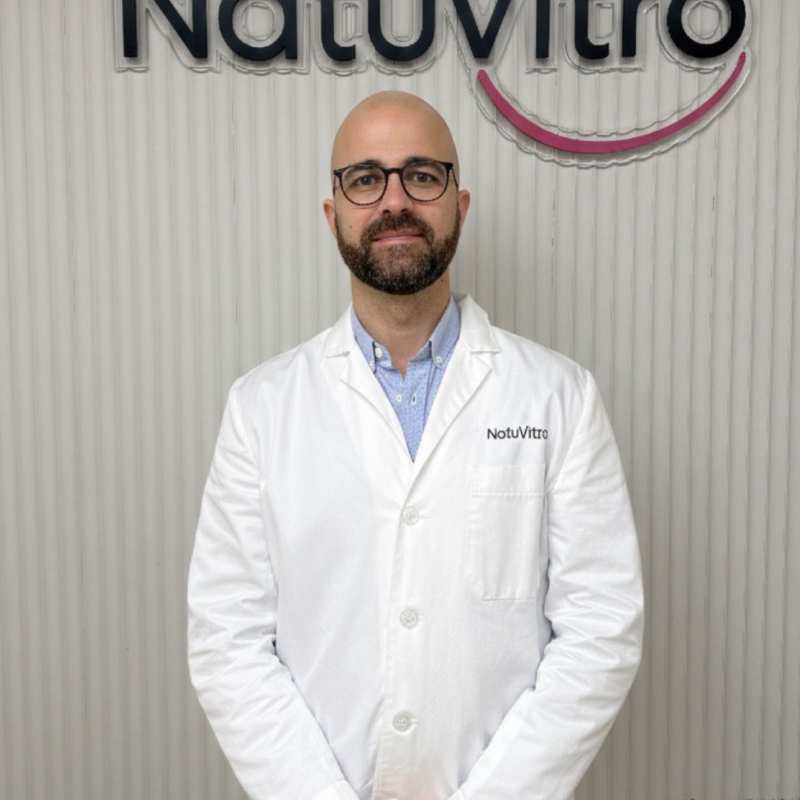
Dr. Jean-Paul Bouiller
Specialist in Assisted Reproduction
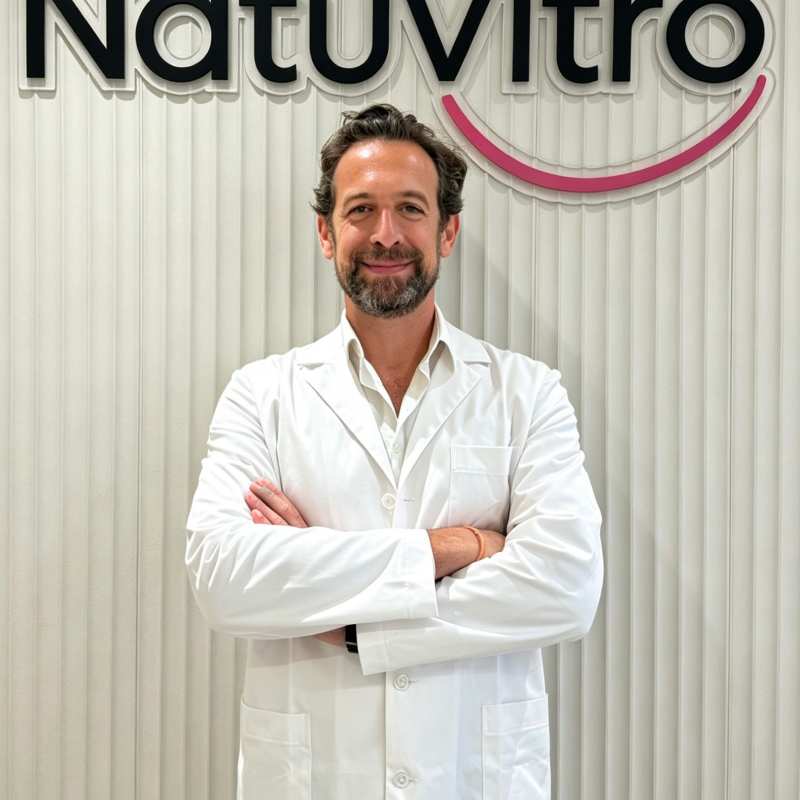
Dr. Frédéric Lamazou
Specialist in Assisted Reproduction
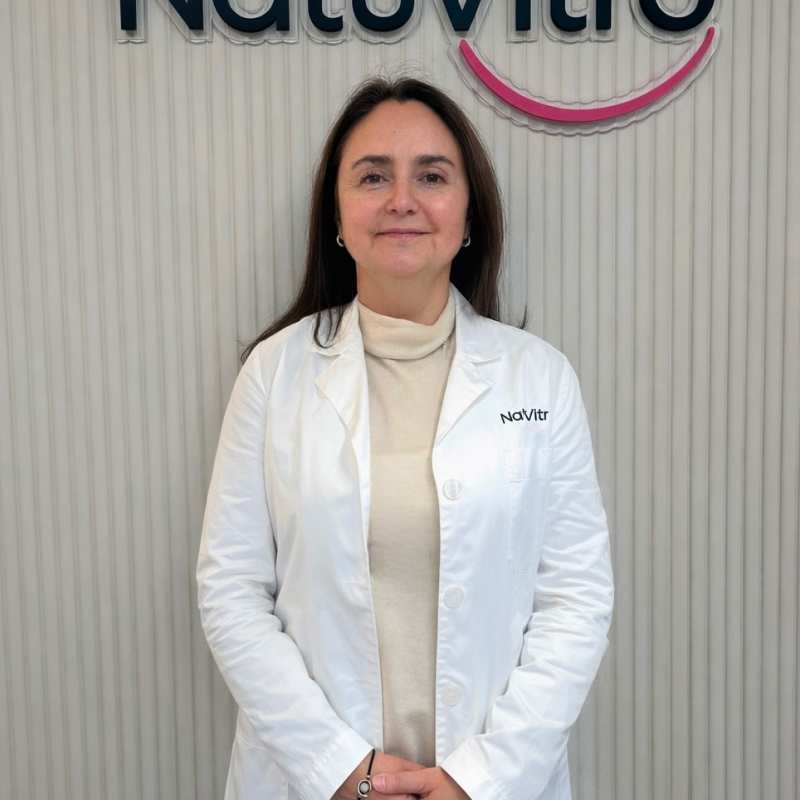
Dr. Karinna Lattes
Chief Scientific Officer

Dr. Elena Prada
Specialist in Assisted Reproduction

Dr. Maria Jesús Puy
Specialist in Assisted Reproduction

Dr. Patricia Zabala Franco
Specialist in Assisted Reproduction
Have questions?
Request your free consultation today!
Our experts are ready to examine your case history, clarify your choices, and address every question you have.
Don't wait to make informed decisions – your personalized guidance awaits!
The field is filled in incorrectly
+34
- Spain (España)+34
- France (La France)+33
- Italy (Italia)+39
- United Kingdom+44
- United States+1
- Belgium (België)+32
- Switzerland (Schweiz/Suisse)+41
- Germany (Deutschland)+49
- Netherlands (Nederland)+31
- Afghanistan (افغانستان)+93
- Albania (Shqipëri)+355
- Algeria (الجزائر)+213
- American Samoa+1
- Andorra+376
- Angola+244
- Anguilla+1
- Antigua and Barbuda+1
- Argentina+54
- Armenia (Հայաստան)+374
- Aruba+297
- Ascension Island+247
- Australia+61
- Austria (Österreich)+43
- Azerbaijan (Azərbaycan)+994
- Bahamas+1
- Bahrain (البحرين)+973
- Bangladesh (বাংলাদেশ)+880
- Barbados+1
- Belarus (Беларусь)+375
- Belize+501
- Benin (Bénin)+229
- Bermuda+1
- Bhutan (འབྲུག)+975
- Bolivia+591
- Bosnia and Herzegovina (Босна и Херцеговина)+387
- Botswana+267
- Brazil (Brasil)+55
- British Indian Ocean Territory+246
- British Virgin Islands+1
- Brunei+673
- Bulgaria (България)+359
- Burkina Faso+226
- Burundi (Uburundi)+257
- Cambodia (កម្ពុជា)+855
- Cameroon (Cameroun)+237
- Canada+1
- Cape Verde (Kabu Verdi)+238
- Caribbean Netherlands+599
- Cayman Islands+1
- Central African Republic (République centrafricaine)+236
- Chad (Tchad)+235
- Chile+56
- China (中国)+86
- Christmas Island+61
- Cocos (Keeling) Islands+61
- Colombia+57
- Comoros (جزر القمر)+269
- Congo (DRC) (Jamhuri ya Kidemokrasia ya Kongo)+243
- Congo (Republic) (Congo-Brazzaville)+242
- Cook Islands+682
- Costa Rica+506
- Côte d’Ivoire+225
- Croatia (Hrvatska)+385
- Cuba+53
- Curaçao+599
- Cyprus (Κύπρος)+357
- Czech Republic (Česká republika)+420
- Denmark (Danmark)+45
- Djibouti+253
- Dominica+1
- Dominican Republic (República Dominicana)+1
- Ecuador+593
- Egypt (مصر)+20
- El Salvador+503
- Equatorial Guinea (Guinea Ecuatorial)+240
- Eritrea+291
- Estonia (Eesti)+372
- Eswatini+268
- Ethiopia+251
- Falkland Islands (Islas Malvinas)+500
- Faroe Islands (Føroyar)+298
- Fiji+679
- Finland (Suomi)+358
- French Guiana (Guyane française)+594
- French Polynesia (Polynésie française)+689
- Gabon+241
- Gambia+220
- Georgia (საქართველო)+995
- Ghana (Gaana)+233
- Gibraltar+350
- Greece (Ελλάδα)+30
- Greenland (Kalaallit Nunaat)+299
- Grenada+1
- Guadeloupe+590
- Guam+1
- Guatemala+502
- Guernsey+44
- Guinea (Guinée)+224
- Guinea-Bissau (Guiné Bissau)+245
- Guyana+592
- Haiti+509
- Honduras+504
- Hong Kong (香港)+852
- Hungary (Magyarország)+36
- Iceland (Ísland)+354
- India (भारत)+91
- Indonesia+62
- Iran (ایران)+98
- Iraq (العراق)+964
- Ireland+353
- Isle of Man+44
- Israel (ישראל)+972
- Italy (Italia)+39
- Jamaica+1
- Japan (日本)+81
- Jersey+44
- Jordan (الأردن)+962
- Kazakhstan (Казахстан)+7
- Kenya+254
- Kiribati+686
- Kosovo+383
- Kuwait (الكويت)+965
- Kyrgyzstan (Кыргызстан)+996
- Laos (ລາວ)+856
- Latvia (Latvija)+371
- Lebanon (لبنان)+961
- Lesotho+266
- Liberia+231
- Libya (ليبيا)+218
- Liechtenstein+423
- Lithuania (Lietuva)+370
- Luxembourg+352
- Macau (澳門)+853
- North Macedonia (Македонија)+389
- Madagascar (Madagasikara)+261
- Malawi+265
- Malaysia+60
- Maldives+960
- Mali+223
- Malta+356
- Marshall Islands+692
- Martinique+596
- Mauritania (موريتانيا)+222
- Mauritius (Moris)+230
- Mayotte+262
- Mexico (México)+52
- Micronesia+691
- Moldova (Republica Moldova)+373
- Monaco+377
- Mongolia (Монгол)+976
- Montenegro (Crna Gora)+382
- Montserrat+1
- Morocco (المغرب)+212
- Mozambique (Moçambique)+258
- Myanmar (Burma) (မြန်မာ)+95
- Namibia (Namibië)+264
- Nauru+674
- Nepal (नेपाल)+977
- New Caledonia (Nouvelle-Calédonie)+687
- New Zealand+64
- Nicaragua+505
- Niger (Nijar)+227
- Nigeria+234
- Niue+683
- Norfolk Island+672
- North Korea (조선 민주주의 인민 공화국)+850
- Northern Mariana Islands+1
- Norway (Norge)+47
- Oman (عُمان)+968
- Pakistan (پاکستان)+92
- Palau+680
- Palestine (فلسطين)+970
- Panama (Panamá)+507
- Papua New Guinea+675
- Paraguay+595
- Peru (Perú)+51
- Philippines+63
- Poland (Polska)+48
- Portugal+351
- Puerto Rico+1
- Qatar (قطر)+974
- Réunion (La Réunion)+262
- Romania (România)+40
- Russia (Россия)+7
- Rwanda+250
- Saint Barthélemy+590
- Saint Helena+290
- Saint Kitts and Nevis+1
- Saint Lucia+1
- Saint Martin (Saint-Martin (partie française))+590
- Saint Pierre and Miquelon (Saint-Pierre-et-Miquelon)+508
- Saint Vincent and the Grenadines+1
- Samoa+685
- San Marino+378
- São Tomé and Príncipe (São Tomé e Príncipe)+239
- Saudi Arabia (المملكة العربية السعودية)+966
- Senegal (Sénégal)+221
- Serbia (Србија)+381
- Seychelles+248
- Sierra Leone+232
- Singapore+65
- Sint Maarten+1
- Slovakia (Slovensko)+421
- Slovenia (Slovenija)+386
- Solomon Islands+677
- Somalia (Soomaaliya)+252
- South Africa+27
- South Korea (대한민국)+82
- South Sudan (جنوب السودان)+211
- Spain (España)+34
- Sri Lanka (ශ්රී ලංකාව)+94
- Sudan (السودان)+249
- Suriname+597
- Svalbard and Jan Mayen+47
- Sweden (Sverige)+46
- Syria (سوريا)+963
- Taiwan (台灣)+886
- Tajikistan+992
- Tanzania+255
- Thailand (ไทย)+66
- Timor-Leste+670
- Togo+228
- Tokelau+690
- Tonga+676
- Trinidad and Tobago+1
- Tunisia (تونس)+216
- Turkey (Türkiye)+90
- Turkmenistan+993
- Turks and Caicos Islands+1
- Tuvalu+688
- U.S. Virgin Islands+1
- Uganda+256
- Ukraine (Україна)+380
- United Arab Emirates (الإمارات العربية المتحدة)+971
- Uruguay+598
- Uzbekistan (Oʻzbekiston)+998
- Vanuatu+678
- Vatican City (Città del Vaticano)+39
- Venezuela+58
- Vietnam (Việt Nam)+84
- Wallis and Futuna (Wallis-et-Futuna)+681
- Western Sahara (الصحراء الغربية)+212
- Yemen (اليمن)+967
- Zambia+260
- Zimbabwe+263
- Åland Islands+358
The field is filled in incorrectly
Visit our clinic
We are located in the heart of Barcelona.
Location
Call us now
Leave a message