 Assisted Reproduction Center
 Assisted Reproduction Center
In vitro fertilization, also known as IVF, is one of the most advanced and effective reproductive technologies to combat infertility. The feature of this method is that the fertilization process takes place outside the woman's body ("in vitro"). After a period of culture, the resulting embryo is transferred directly into the uterine cavity to continue its development.
Key phases of the IVF protocol
Artificial fertilization is a serious medical procedure, in several stages, requiring meticulous preparation by the prospective parents.
The IVF protocol includes the following main phases:
- Comprehensive diagnostic examination of both partners.
- Hormone therapy to stimulate superovulation.
- Retrieval (sampling) of mature eggs from the ovaries.
- Laboratory procedure of artificial insemination.
- Transfer of the embryo into the uterus.
- Diagnosis and confirmation of pregnancy.
The entire preparatory phase for the procedure usually lasts from two to three weeks.
Medical factors preventing embryo implantation
The reasons why an IVF attempt may fail are very diverse. Let's examine the most common ones:
- Embryo quality. This is the most frequent cause of failure. Genetic anomalies of the embryo, which increase in frequency in women over 35, can hinder normal development. Various disturbances occurring during the early stages of cell division can also lead to the cessation of embryo development after transfer into the uterus.
- Endometrial condition. An insufficient thickness of the uterine lining (endometrium) creates an unfavorable environment for embryo implantation. Additionally, structural anomalies of the endometrium can be detected, caused by chronic inflammatory processes, the presence of polyps, or adhesions (synechiae).
- Hormonal imbalance. Insufficient production of progesterone during the luteal phase of the menstrual cycle prevents the endometrium from properly preparing for embryo implantation. Thyroid disorders, elevated androgen levels (male sex hormones), or insulin resistance can also negatively impact the implantation process.
- Immunological troubles. The presence of autoimmune diseases can cause the woman's immune system to perceive the embryo as a foreign body and activate rejection mechanisms.
- Uterine anatomical peculiarities. Congenital anomalies of uterine development can disrupt its normal anatomical structure and, consequently, impair blood supply to the endometrium, preventing implantation.
- Blood clotting disorders (coagulopathies). These pathologies can cause microthrombus formation in the vessels of the endometrium and the developing placenta. This state disturbs proper blood flow and nutrition to the developing embryo, which can lead to early pregnancy loss.
General age-related changes occurring in a woman's body also play an important role.
Reasons why IVF programs may be interrupted
Unfortunately, not all IVF procedures end in pregnancy. In some cases, for various objective medical reasons, the program must be halted at one of the stages. Among these reasons are:
- Absence or insufficient growth of eggs during stimulation. This phenomenon is related to a reduced ovarian response to hormonal medications, preventing superovulation. If, during a control ultrasound on the 7th or 8th day of the cycle, the doctor finds no maturing follicles or fewer than 3, it may indicate ovarian reserve exhaustion or results of their resection. In rare cases, the doctor may suggest adjusting the stimulation, but this does not guarantee success. More often, doctors recommend halting the current cycle.
- Premature ovulation. In the past, this cause led to the cancellation of nearly a quarter of all programs. When this happened, follicles ruptured prematurely, and oocytes ended up in the abdominal cavity, making extraction impossible. Currently, IVF protocols use modern medications that effectively block premature ovulation.
- Absence of oocyte during retrieval. Known as "empty follicle syndrome," this is a condition where no oocyte is detected in the follicular fluid collected. Statistically, in women over 33, "eggless cycles" can occur 3 to 4 times a year. It is impossible to predict the appearance of empty follicles in advance. The absence of oocytes is only confirmed after follicular fluid collection and microscopic examination. In such a situation, the cycle is halted, and the patient is advised to attempt again.
- Poor quality of oocytes. In most cases, the quality of oocytes can only be assessed after retrieval. Unsatisfactory oocyte quality usually indicates the need to try a different protocol.
- Absence of fertilization. This can be due to sperm anomalies and/or poor oocyte quality. If ejaculation or testicular biopsy does not contain viable sperm, conception becomes impossible. Genetic abnormalities of oocytes also affect the fertilization process. Oocytes with altered structure or abnormal chromosome numbers cannot produce viable embryos.
- Polyspermy (penetration of multiple sperm into the oocyte). To successfully fertilize an oocyte, the sperm must penetrate several protective layers. Sometimes, to facilitate this process, embryologists use special techniques, injecting sperm into the space between the zona pellucida and the oocyte itself, increasing the chances of fertilization. However, this raises the risk that multiple sperm penetrate a single oocyte, disrupting the natural division process and preventing viable embryo formation.
- Lack of cell division or poor-quality embryo development. Immediately after successful fertilization, the cell must divide to form two blastomeres. If this does not happen, the embryo is considered poor quality. The third day of development is critical for the embryo. If it shows severe genetic anomalies, development stops and it dies.
- Implantation problems in the uterine cavity. The most important reason why the eagerly awaited pregnancy does not occur is poor embryo quality itself. The second most common factor is the lack of endometrial preparation to receive the embryo. If healthy blastocysts are obtained but the endometrium is not ready, they are cryopreserved (frozen). The doctor prepares the endometrium or waits for the optimal "implantation window" in the next cycle, and only then proceeds with the transfer of thawed embryos.
If the first IVF attempt did not result in pregnancy, do not despair. It is important to analyze with your doctor the reasons for the IVF failure. Your willpower and perseverance are key factors to achieve your goal.
What happens to the body after a failed IVF?
After an unsuccessful IVF, physiological and psycho-emotional changes are observed in the female body:
- Hormonal changes: delayed menstruation, general cycle instability, mood swings, and increased fatigue related to hormonal rebalancing may occur.
- Physical symptoms: Stabbing pains in the lower abdomen, breast tenderness, and blood pressure variations are possible. These are reactions of the body to stopping hormonal medications.
- Emotional state: Very often, women experience anxiety, deep disappointment, apathy, or even depressive states.
It is extremely important to seek help from your primary care physician and, if necessary, from a psychologist so that the recovery process progresses properly. To normalize the menstrual cycle and stabilize emotional well-being, the specialist may recommend appropriate treatment.
What to do after a failed IVF?
After an unsuccessful IVF protocol, it is essential not to despair and to give your body and mind the necessary time to recover. The following action plan is recommended:
- Consultation with a doctor. See your reproductive specialist. They will analyze the cycle and establish a plan for subsequent steps and tests.
- Additional tests. The doctor may prescribe tests to help identify the cause of failure (hormonal tests, immune status, genetic testing).
- Psychological support. Working with a specialist (psychologist or psychotherapist) helps to overcome feelings of anxiety, guilt, and disappointment.
- Rest and recovery. Take a break, rest, and regain your strength without focusing on negative consequences.
It is generally recommended to start planning the next IVF protocol within 1 to 3 months, depending on your health status.
Understanding why IVF failed greatly facilitates planning subsequent steps of treatment and increases success chances.
FAQ (Frequently Asked Questions)
Q: What is IVF? A: IVF (in vitro fertilization) is a cutting-edge method to treat infertility, where the fertilization of the egg by sperm occurs in the laboratory ("in a test tube"), after which the resulting embryo is transferred into the woman's uterus.
Q: How long does it take to prepare for IVF? A: Immediate preparation for the procedure, including examinations and start of stimulation, usually takes between 2 and 3 weeks.
Q: Why might an embryo not implant after transfer? A: The most common causes are genetic anomalies in the embryo itself, lack of endometrial preparation, hormonal imbalance, or immunological issues in the woman.
Q: What is “empty follicle syndrome”? A: It is a situation where, during oocyte retrieval, no oocyte is detected in the follicular fluid collected despite normal follicular growth during stimulation.
Q: What should I do if the first IVF attempt failed? R: It is important not to despair. You should consult your reproductive gynecologist, who will analyze the causes of failure, prescribe additional tests if needed, and help you plan the next protocol. It is also recommended to pay attention to your psychological recovery.

Dr. Cristina Pérez
Specialist in Assisted Reproduction
Medical Director
Medical Director
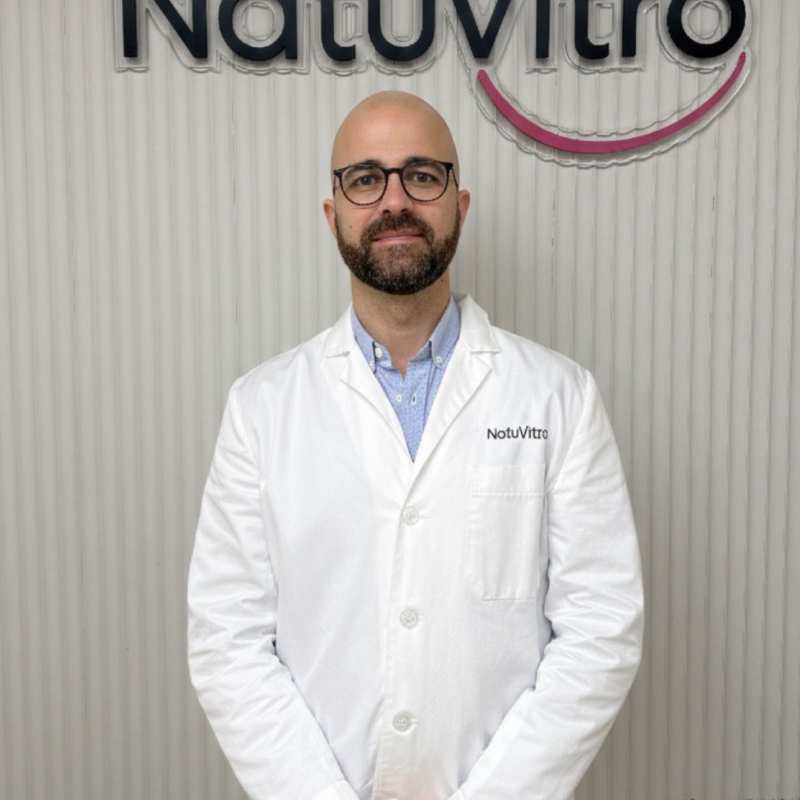
Dr. Jean-Paul Bouiller
Specialist in Assisted Reproduction

Dr. Frédéric Lamazou
Specialist in Assisted Reproduction
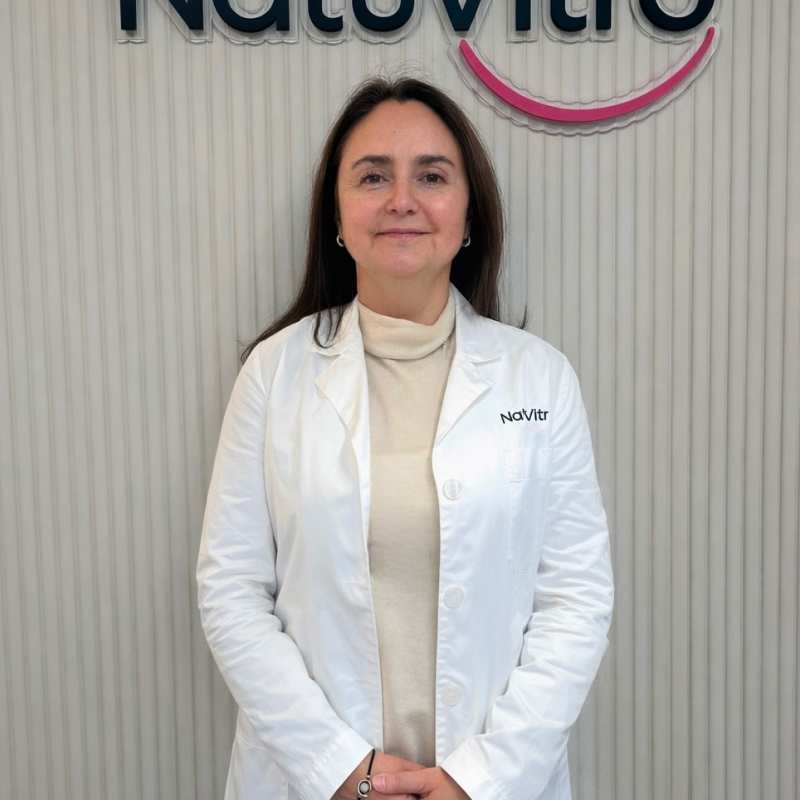
Dr. Karinna Lattes
Chief Scientific Officer

Dr. Elena Prada
Specialist in Assisted Reproduction

Dr. Maria Jesús Puy
Specialist in Assisted Reproduction

Dr. Patricia Zabala Franco
Specialist in Assisted Reproduction
Have questions?
Request your free consultation today!
Our experts are ready to examine your case history, clarify your choices, and address every question you have.
Don't wait to make informed decisions – your personalized guidance awaits!
The field is filled in incorrectly
+34
- Spain (España)+34
- France (La France)+33
- Italy (Italia)+39
- United Kingdom+44
- United States+1
- Belgium (België)+32
- Switzerland (Schweiz/Suisse)+41
- Germany (Deutschland)+49
- Netherlands (Nederland)+31
- Afghanistan (افغانستان)+93
- Albania (Shqipëri)+355
- Algeria (الجزائر)+213
- American Samoa+1
- Andorra+376
- Angola+244
- Anguilla+1
- Antigua and Barbuda+1
- Argentina+54
- Armenia (Հայաստան)+374
- Aruba+297
- Ascension Island+247
- Australia+61
- Austria (Österreich)+43
- Azerbaijan (Azərbaycan)+994
- Bahamas+1
- Bahrain (البحرين)+973
- Bangladesh (বাংলাদেশ)+880
- Barbados+1
- Belarus (Беларусь)+375
- Belize+501
- Benin (Bénin)+229
- Bermuda+1
- Bhutan (འབྲུག)+975
- Bolivia+591
- Bosnia and Herzegovina (Босна и Херцеговина)+387
- Botswana+267
- Brazil (Brasil)+55
- British Indian Ocean Territory+246
- British Virgin Islands+1
- Brunei+673
- Bulgaria (България)+359
- Burkina Faso+226
- Burundi (Uburundi)+257
- Cambodia (កម្ពុជា)+855
- Cameroon (Cameroun)+237
- Canada+1
- Cape Verde (Kabu Verdi)+238
- Caribbean Netherlands+599
- Cayman Islands+1
- Central African Republic (République centrafricaine)+236
- Chad (Tchad)+235
- Chile+56
- China (中国)+86
- Christmas Island+61
- Cocos (Keeling) Islands+61
- Colombia+57
- Comoros (جزر القمر)+269
- Congo (DRC) (Jamhuri ya Kidemokrasia ya Kongo)+243
- Congo (Republic) (Congo-Brazzaville)+242
- Cook Islands+682
- Costa Rica+506
- Côte d’Ivoire+225
- Croatia (Hrvatska)+385
- Cuba+53
- Curaçao+599
- Cyprus (Κύπρος)+357
- Czech Republic (Česká republika)+420
- Denmark (Danmark)+45
- Djibouti+253
- Dominica+1
- Dominican Republic (República Dominicana)+1
- Ecuador+593
- Egypt (مصر)+20
- El Salvador+503
- Equatorial Guinea (Guinea Ecuatorial)+240
- Eritrea+291
- Estonia (Eesti)+372
- Eswatini+268
- Ethiopia+251
- Falkland Islands (Islas Malvinas)+500
- Faroe Islands (Føroyar)+298
- Fiji+679
- Finland (Suomi)+358
- French Guiana (Guyane française)+594
- French Polynesia (Polynésie française)+689
- Gabon+241
- Gambia+220
- Georgia (საქართველო)+995
- Ghana (Gaana)+233
- Gibraltar+350
- Greece (Ελλάδα)+30
- Greenland (Kalaallit Nunaat)+299
- Grenada+1
- Guadeloupe+590
- Guam+1
- Guatemala+502
- Guernsey+44
- Guinea (Guinée)+224
- Guinea-Bissau (Guiné Bissau)+245
- Guyana+592
- Haiti+509
- Honduras+504
- Hong Kong (香港)+852
- Hungary (Magyarország)+36
- Iceland (Ísland)+354
- India (भारत)+91
- Indonesia+62
- Iran (ایران)+98
- Iraq (العراق)+964
- Ireland+353
- Isle of Man+44
- Israel (ישראל)+972
- Italy (Italia)+39
- Jamaica+1
- Japan (日本)+81
- Jersey+44
- Jordan (الأردن)+962
- Kazakhstan (Казахстан)+7
- Kenya+254
- Kiribati+686
- Kosovo+383
- Kuwait (الكويت)+965
- Kyrgyzstan (Кыргызстан)+996
- Laos (ລາວ)+856
- Latvia (Latvija)+371
- Lebanon (لبنان)+961
- Lesotho+266
- Liberia+231
- Libya (ليبيا)+218
- Liechtenstein+423
- Lithuania (Lietuva)+370
- Luxembourg+352
- Macau (澳門)+853
- North Macedonia (Македонија)+389
- Madagascar (Madagasikara)+261
- Malawi+265
- Malaysia+60
- Maldives+960
- Mali+223
- Malta+356
- Marshall Islands+692
- Martinique+596
- Mauritania (موريتانيا)+222
- Mauritius (Moris)+230
- Mayotte+262
- Mexico (México)+52
- Micronesia+691
- Moldova (Republica Moldova)+373
- Monaco+377
- Mongolia (Монгол)+976
- Montenegro (Crna Gora)+382
- Montserrat+1
- Morocco (المغرب)+212
- Mozambique (Moçambique)+258
- Myanmar (Burma) (မြန်မာ)+95
- Namibia (Namibië)+264
- Nauru+674
- Nepal (नेपाल)+977
- New Caledonia (Nouvelle-Calédonie)+687
- New Zealand+64
- Nicaragua+505
- Niger (Nijar)+227
- Nigeria+234
- Niue+683
- Norfolk Island+672
- North Korea (조선 민주주의 인민 공화국)+850
- Northern Mariana Islands+1
- Norway (Norge)+47
- Oman (عُمان)+968
- Pakistan (پاکستان)+92
- Palau+680
- Palestine (فلسطين)+970
- Panama (Panamá)+507
- Papua New Guinea+675
- Paraguay+595
- Peru (Perú)+51
- Philippines+63
- Poland (Polska)+48
- Portugal+351
- Puerto Rico+1
- Qatar (قطر)+974
- Réunion (La Réunion)+262
- Romania (România)+40
- Russia (Россия)+7
- Rwanda+250
- Saint Barthélemy+590
- Saint Helena+290
- Saint Kitts and Nevis+1
- Saint Lucia+1
- Saint Martin (Saint-Martin (partie française))+590
- Saint Pierre and Miquelon (Saint-Pierre-et-Miquelon)+508
- Saint Vincent and the Grenadines+1
- Samoa+685
- San Marino+378
- São Tomé and Príncipe (São Tomé e Príncipe)+239
- Saudi Arabia (المملكة العربية السعودية)+966
- Senegal (Sénégal)+221
- Serbia (Србија)+381
- Seychelles+248
- Sierra Leone+232
- Singapore+65
- Sint Maarten+1
- Slovakia (Slovensko)+421
- Slovenia (Slovenija)+386
- Solomon Islands+677
- Somalia (Soomaaliya)+252
- South Africa+27
- South Korea (대한민국)+82
- South Sudan (جنوب السودان)+211
- Spain (España)+34
- Sri Lanka (ශ්රී ලංකාව)+94
- Sudan (السودان)+249
- Suriname+597
- Svalbard and Jan Mayen+47
- Sweden (Sverige)+46
- Syria (سوريا)+963
- Taiwan (台灣)+886
- Tajikistan+992
- Tanzania+255
- Thailand (ไทย)+66
- Timor-Leste+670
- Togo+228
- Tokelau+690
- Tonga+676
- Trinidad and Tobago+1
- Tunisia (تونس)+216
- Turkey (Türkiye)+90
- Turkmenistan+993
- Turks and Caicos Islands+1
- Tuvalu+688
- U.S. Virgin Islands+1
- Uganda+256
- Ukraine (Україна)+380
- United Arab Emirates (الإمارات العربية المتحدة)+971
- Uruguay+598
- Uzbekistan (Oʻzbekiston)+998
- Vanuatu+678
- Vatican City (Città del Vaticano)+39
- Venezuela+58
- Vietnam (Việt Nam)+84
- Wallis and Futuna (Wallis-et-Futuna)+681
- Western Sahara (الصحراء الغربية)+212
- Yemen (اليمن)+967
- Zambia+260
- Zimbabwe+263
- Åland Islands+358
The field is filled in incorrectly
Visit our clinic
We are located in the heart of Barcelona.
Location
Call us now
Leave a message