 Assisted Reproduction Center
 Assisted Reproduction Center
The third trimester begins at the twenty-ninth week and continues until the baby's birth. It’s the final stretch. During this period, the baby actively gains weight and its internal organs complete their development. The body of the expectant mother now functions at double speed. The heart pumps more blood and the lungs adapt to the movement of the diaphragm. That's why this stage requires special focus on your own health and careful preparation for the upcoming birth. Our specialists have prepared detailed advice to help you go through this period with confidence and serenity.
Main recommendations for pregnant women
It is entirely possible to stay healthy during the last months of pregnancy. It is important not to give up moderate physical activity, as light exercises or walks outdoors improve blood circulation in the placenta. Moving is living. Try to walk at least thirty minutes a day. This helps oxygenate the blood, which is essential for the development of the baby’s brain.
Your diet should be as balanced as possible. Favor foods rich in proteins and easy to digest. Cottage cheese, lean meat, and legumes will form your energy base. Fruits and vegetables should make up a significant part of your daily diet, as they provide fibers and vitamins to the body. Don’t forget childbirth preparation classes. You will learn breathing techniques and the physiology of childbirth, which will significantly reduce your anxiety levels about the unknown.
Complete rest becomes an essential factor during the eighth and ninth months. Sleep at least eight hours a day and try to find time for a small nap if you’re feeling tired. Use special pillows for pregnant women to find a comfortable position for your spine. Support from your loved ones and positive emotions create the psychological comfort needed, which is transmitted to the baby through hormonal levels.
To avoid at the end of pregnancy
There are certain restrictions that help preserve pregnancy and the woman's health. This mainly concerns intense physical efforts. It is strictly forbidden to lift heavy objects or perform exhausting household chores. This can cause placental detachment or premature opening of the cervix.
Emotional overload can also negatively impact the fetus’s condition. Stress is an additional risk that must be avoided at all costs. Eliminate alcohol and tobacco completely, as these substances cause hypoxia in the child. No medication, even herbal, should be taken without prior approval from your doctor.
Self-medication at an advanced stage of pregnancy is extremely dangerous for the development of the baby’s nervous system.
Radical diets or long gaps between meals are now completely inappropriate. The baby needs stable, quality food every few hours. If you experience intense hunger between main meals, have a healthy snack based on nuts or plain yogurt.
Important tests and medical examinations
Medical check-ups become much more frequent in the third trimester. At each visit, the specialist carefully checks blood pressure and weight progression. This allows for early detection of hidden edema, which is not always visible to the naked eye. General blood and urine tests help detect underlying inflammatory processes or the development of anemia, often caused by iron deficiency.
An ultrasound is prescribed based on individual indications or screening schedule. It allows evaluating the state of the placenta, the volume of amniotic fluid, and the baby’s position in the uterus. Often, the doctor performs a CTG (cardiotocography) to assess the functioning of the baby’s heart and its response to movements.
If there is any risk of developing gestational diabetes, the doctor will prescribe an additional blood sugar test. It is also important to confirm blood group and Rh factor to be prepared for all possible scenarios during the child's birth. The high professionalism of the medical staff guarantees your safety.
Follow-up with a reproductive specialist
For women whose pregnancy results from assisted reproductive techniques, the third trimester is particularly important. The gynecologist pays special attention to the patient’s hormonal profile, as her body may need additional help. Sometimes, progesterone treatment lasts longer than in natural conception cases.
The specialist carefully evaluates blood flow in the placenta and umbilical cord vessels using Doppler. This helps prevent placental insufficiency, which can sometimes occur after IVF. If you are expecting twins, monitoring becomes even more strict and regular. The doctor monitors each baby separately, ensuring their weights meet standards.
Prevention of preeclampsia and monitoring kidney function are priorities at this stage for patients in reproductive centers. With your doctor, you will discuss in detail and choose the safest mode of delivery. It can be a natural birth or a scheduled cesarean, depending on medical indications.
Practical preparation for childbirth
Planning helps reduce anxiety and feel in control of the situation. Establish a clear action plan in case contractions begin. Choose a maternity hospital that meets your needs and get to know the staff in advance.
If you plan to give birth with your partner, they should also undergo appropriate training and pass necessary exams. This will help them become a real support, not just a witness to the process. Prepare your hospital bag three to four weeks before the due date. Divide your items into three bags: one for the mother during labor, one for the mother after birth, and another for the baby.
A precise list of necessary items will help you avoid forgetting anything at the crucial moment, when emotions may overpower logic. Psychological preparation and relaxation techniques will be your main assets during contractions. Learn the proper breathing techniques, as they naturally help reduce pain.
Signs from the body to watch for
Your vigilance is the best safety guarantee. Always pay attention to your baby’s movements and keep a journal of their activity if your doctor recommends it. Regular and rhythmic activity indicates your baby is well and getting enough oxygen. If movements become too weak, too rare, or, conversely, suddenly painful and aggressive, consult a doctor immediately.
Monitor physical symptoms sent by your body. Sudden swelling of the face or hands, oppressive headache, or the appearance of floating spots in front of the eyes can be signs of hypertension. Any bleeding or persistent stabbing pain in the lower abdomen requires immediate reaction and hospitalization.
Even if you think you are simply overexcited, it’s better to see a specialist. Do not ignore changes in your condition, as timely help can save lives. Doctors are always there to support you during this final stage. Each day of the third trimester brings you closer to meeting your little miracle, which you have been waiting for so long.
FAQ
Is it safe to sleep on my back at the end of pregnancy? Doctors advise avoiding this position, especially after the thirtieth week. The significant weight of the uterus can compress the inferior vena cava. This sometimes causes sudden dizziness in the mother and a decrease in oxygen supply to the baby. The optimal option is sleeping on the left side with a pillow between the knees.
How often should the baby move in the ninth month? Normally, you should feel about ten sets of movements during a active twelve-hour day. The baby may start to feel tight in the uterus, so movements can become less vigorous, but they should remain regular. Every baby has its own temperament.
What to do if heartburn prevents rest? It is a very common issue caused by pressure of the uterus on the stomach and hormones. Try eating small portions five or six times a day. Avoid spicy and greasy foods and don’t lie down immediately after eating. You can place a pillow higher under your head during sleep.
How to tell if labor really begins? True contractions become regular, their duration increases, and intervals between them decrease. Unlike preparation contractions, they do not disappear after rest, a warm shower, or change of position. Loss of waters is also an obvious sign, even if you do not yet feel pain, and requires going to the clinic as soon as possible.
Can I have sex in the third trimester? If your doctor has not detected specific contraindications and your pregnancy is progressing without complications, an active sex life is perfectly acceptable. It may even help prepare the cervix. However, choose the most comfortable positions possible and avoid any pressure on the abdominal area.
How to fight leg swelling at the end of the day? Avoid standing in one place for too long and rest your legs more often, elevating them. Reduce your salt intake, but do not abruptly limit your pure water consumption. Wear comfortable flat shoes and, if necessary, use compression stockings on your doctor’s recommendation.

Dr. Cristina Pérez
Specialist in Assisted Reproduction
Medical Director
Medical Director

Dr. Jean-Paul Bouiller
Specialist in Assisted Reproduction

Dr. Frédéric Lamazou
Specialist in Assisted Reproduction
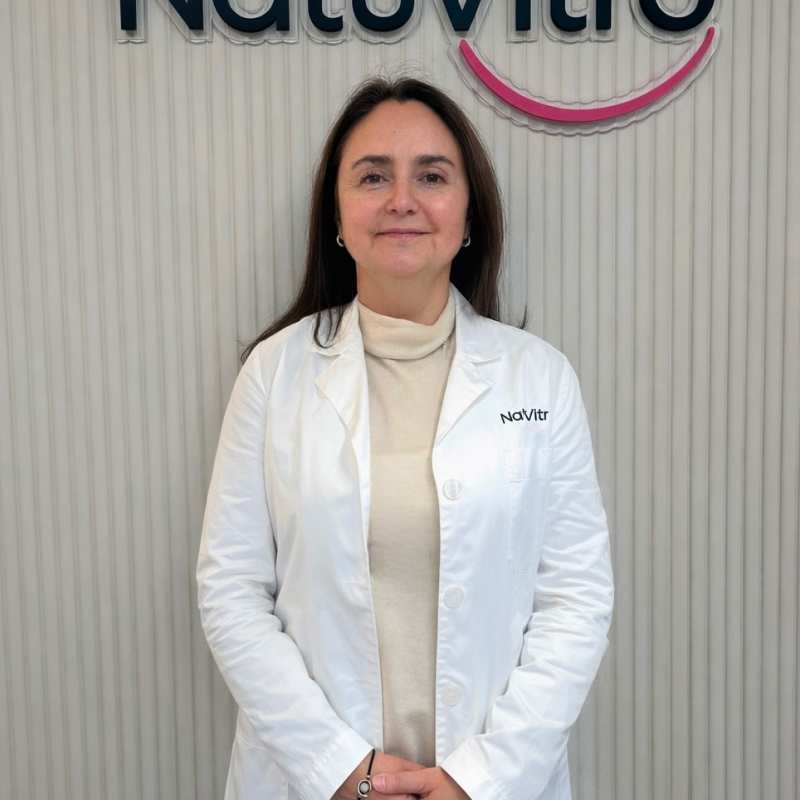
Dr. Karinna Lattes
Chief Scientific Officer

Dr. Elena Prada
Specialist in Assisted Reproduction

Dr. Maria Jesús Puy
Specialist in Assisted Reproduction

Dr. Patricia Zabala Franco
Specialist in Assisted Reproduction
Have questions?
Request your free consultation today!
Our experts are ready to examine your case history, clarify your choices, and address every question you have.
Don't wait to make informed decisions – your personalized guidance awaits!
The field is filled in incorrectly
+34
- Spain (España)+34
- France (La France)+33
- Italy (Italia)+39
- United Kingdom+44
- United States+1
- Belgium (België)+32
- Switzerland (Schweiz/Suisse)+41
- Germany (Deutschland)+49
- Netherlands (Nederland)+31
- Afghanistan (افغانستان)+93
- Albania (Shqipëri)+355
- Algeria (الجزائر)+213
- American Samoa+1
- Andorra+376
- Angola+244
- Anguilla+1
- Antigua and Barbuda+1
- Argentina+54
- Armenia (Հայաստան)+374
- Aruba+297
- Ascension Island+247
- Australia+61
- Austria (Österreich)+43
- Azerbaijan (Azərbaycan)+994
- Bahamas+1
- Bahrain (البحرين)+973
- Bangladesh (বাংলাদেশ)+880
- Barbados+1
- Belarus (Беларусь)+375
- Belize+501
- Benin (Bénin)+229
- Bermuda+1
- Bhutan (འབྲུག)+975
- Bolivia+591
- Bosnia and Herzegovina (Босна и Херцеговина)+387
- Botswana+267
- Brazil (Brasil)+55
- British Indian Ocean Territory+246
- British Virgin Islands+1
- Brunei+673
- Bulgaria (България)+359
- Burkina Faso+226
- Burundi (Uburundi)+257
- Cambodia (កម្ពុជា)+855
- Cameroon (Cameroun)+237
- Canada+1
- Cape Verde (Kabu Verdi)+238
- Caribbean Netherlands+599
- Cayman Islands+1
- Central African Republic (République centrafricaine)+236
- Chad (Tchad)+235
- Chile+56
- China (中国)+86
- Christmas Island+61
- Cocos (Keeling) Islands+61
- Colombia+57
- Comoros (جزر القمر)+269
- Congo (DRC) (Jamhuri ya Kidemokrasia ya Kongo)+243
- Congo (Republic) (Congo-Brazzaville)+242
- Cook Islands+682
- Costa Rica+506
- Côte d’Ivoire+225
- Croatia (Hrvatska)+385
- Cuba+53
- Curaçao+599
- Cyprus (Κύπρος)+357
- Czech Republic (Česká republika)+420
- Denmark (Danmark)+45
- Djibouti+253
- Dominica+1
- Dominican Republic (República Dominicana)+1
- Ecuador+593
- Egypt (مصر)+20
- El Salvador+503
- Equatorial Guinea (Guinea Ecuatorial)+240
- Eritrea+291
- Estonia (Eesti)+372
- Eswatini+268
- Ethiopia+251
- Falkland Islands (Islas Malvinas)+500
- Faroe Islands (Føroyar)+298
- Fiji+679
- Finland (Suomi)+358
- French Guiana (Guyane française)+594
- French Polynesia (Polynésie française)+689
- Gabon+241
- Gambia+220
- Georgia (საქართველო)+995
- Ghana (Gaana)+233
- Gibraltar+350
- Greece (Ελλάδα)+30
- Greenland (Kalaallit Nunaat)+299
- Grenada+1
- Guadeloupe+590
- Guam+1
- Guatemala+502
- Guernsey+44
- Guinea (Guinée)+224
- Guinea-Bissau (Guiné Bissau)+245
- Guyana+592
- Haiti+509
- Honduras+504
- Hong Kong (香港)+852
- Hungary (Magyarország)+36
- Iceland (Ísland)+354
- India (भारत)+91
- Indonesia+62
- Iran (ایران)+98
- Iraq (العراق)+964
- Ireland+353
- Isle of Man+44
- Israel (ישראל)+972
- Italy (Italia)+39
- Jamaica+1
- Japan (日本)+81
- Jersey+44
- Jordan (الأردن)+962
- Kazakhstan (Казахстан)+7
- Kenya+254
- Kiribati+686
- Kosovo+383
- Kuwait (الكويت)+965
- Kyrgyzstan (Кыргызстан)+996
- Laos (ລາວ)+856
- Latvia (Latvija)+371
- Lebanon (لبنان)+961
- Lesotho+266
- Liberia+231
- Libya (ليبيا)+218
- Liechtenstein+423
- Lithuania (Lietuva)+370
- Luxembourg+352
- Macau (澳門)+853
- North Macedonia (Македонија)+389
- Madagascar (Madagasikara)+261
- Malawi+265
- Malaysia+60
- Maldives+960
- Mali+223
- Malta+356
- Marshall Islands+692
- Martinique+596
- Mauritania (موريتانيا)+222
- Mauritius (Moris)+230
- Mayotte+262
- Mexico (México)+52
- Micronesia+691
- Moldova (Republica Moldova)+373
- Monaco+377
- Mongolia (Монгол)+976
- Montenegro (Crna Gora)+382
- Montserrat+1
- Morocco (المغرب)+212
- Mozambique (Moçambique)+258
- Myanmar (Burma) (မြန်မာ)+95
- Namibia (Namibië)+264
- Nauru+674
- Nepal (नेपाल)+977
- New Caledonia (Nouvelle-Calédonie)+687
- New Zealand+64
- Nicaragua+505
- Niger (Nijar)+227
- Nigeria+234
- Niue+683
- Norfolk Island+672
- North Korea (조선 민주주의 인민 공화국)+850
- Northern Mariana Islands+1
- Norway (Norge)+47
- Oman (عُمان)+968
- Pakistan (پاکستان)+92
- Palau+680
- Palestine (فلسطين)+970
- Panama (Panamá)+507
- Papua New Guinea+675
- Paraguay+595
- Peru (Perú)+51
- Philippines+63
- Poland (Polska)+48
- Portugal+351
- Puerto Rico+1
- Qatar (قطر)+974
- Réunion (La Réunion)+262
- Romania (România)+40
- Russia (Россия)+7
- Rwanda+250
- Saint Barthélemy+590
- Saint Helena+290
- Saint Kitts and Nevis+1
- Saint Lucia+1
- Saint Martin (Saint-Martin (partie française))+590
- Saint Pierre and Miquelon (Saint-Pierre-et-Miquelon)+508
- Saint Vincent and the Grenadines+1
- Samoa+685
- San Marino+378
- São Tomé and Príncipe (São Tomé e Príncipe)+239
- Saudi Arabia (المملكة العربية السعودية)+966
- Senegal (Sénégal)+221
- Serbia (Србија)+381
- Seychelles+248
- Sierra Leone+232
- Singapore+65
- Sint Maarten+1
- Slovakia (Slovensko)+421
- Slovenia (Slovenija)+386
- Solomon Islands+677
- Somalia (Soomaaliya)+252
- South Africa+27
- South Korea (대한민국)+82
- South Sudan (جنوب السودان)+211
- Spain (España)+34
- Sri Lanka (ශ්රී ලංකාව)+94
- Sudan (السودان)+249
- Suriname+597
- Svalbard and Jan Mayen+47
- Sweden (Sverige)+46
- Syria (سوريا)+963
- Taiwan (台灣)+886
- Tajikistan+992
- Tanzania+255
- Thailand (ไทย)+66
- Timor-Leste+670
- Togo+228
- Tokelau+690
- Tonga+676
- Trinidad and Tobago+1
- Tunisia (تونس)+216
- Turkey (Türkiye)+90
- Turkmenistan+993
- Turks and Caicos Islands+1
- Tuvalu+688
- U.S. Virgin Islands+1
- Uganda+256
- Ukraine (Україна)+380
- United Arab Emirates (الإمارات العربية المتحدة)+971
- Uruguay+598
- Uzbekistan (Oʻzbekiston)+998
- Vanuatu+678
- Vatican City (Città del Vaticano)+39
- Venezuela+58
- Vietnam (Việt Nam)+84
- Wallis and Futuna (Wallis-et-Futuna)+681
- Western Sahara (الصحراء الغربية)+212
- Yemen (اليمن)+967
- Zambia+260
- Zimbabwe+263
- Åland Islands+358
The field is filled in incorrectly
Visit our clinic
We are located in the heart of Barcelona.
Location
Call us now
Leave a message