 Assisted Reproduction Center
 Assisted Reproduction Center
The first trimester of pregnancy is a unique period and undoubtedly the most important of these nine months. It is during these first 12 weeks that a true biological miracle occurs: starting from a few cells, a complex organism is formed, laying the foundations of all the systems and vital organs of your future child. During this period, your body undergoes a major hormonal upheaval and functions at the limit of its capacity to adapt to its new condition. Your health can vary greatly, ranging from unprecedented excitement to periods of deep drowsiness and apathy.
At this stage, it is extremely important to be very attentive, carefully listen to the slightest signals from your body, completely eliminate potential risks, and establish a calm and supportive lifestyle. Our specialists have prepared for you a detailed list of recommendations to help you navigate this period serenely, with confidence and safety for both you and your baby.
First trimester in case of natural conception and various IVF protocols
The first weeks of pregnancy present specificities that depend directly on the mode of conception.
Natural conception
During natural pregnancy, the woman's organism typically produces the necessary hormones itself. The corpus luteum plays a crucial role here, as it actively produces progesterone to support and nourish the fertilized egg. During this period, it is important not to postpone your visit to the doctor: ideally, you should schedule your prenatal appointment before 12 weeks. This will allow you to undergo the first prenatal screening in a timely manner, which includes a specialized ultrasound and a biochemical blood test. During this period, the focus is on overall health monitoring and gently adapting the body to the increasing load.
Pregnancy after IVF (in vitro fertilization)
A pregnancy resulting from assisted reproductive techniques (ART) requires much closer and more frequent monitoring by fertility specialists and gynecologists.
- Intensive hormonal support: unlike the natural process, IVF protocols (especially cryotransfers under hormone replacement therapy) often involve a lack of endogenous progesterone. That’s why doctors prescribe preparations based on progesterone and estrogens. This support generally continues until 8 to 12 weeks, until the formed placenta takes over the production of necessary hormones. Remember: any autonomous adjustment of dosage or cessation of these medications is strictly prohibited and can have serious consequences.
- Differences between protocols: In the "fresh" cycle, which follows immediately after ovarian stimulation, physicians carefully monitor the risk of ovarian hyperstimulation syndrome (OHSS). This condition can manifest as specific pain and abdominal bloating, especially in the first trimester. In cryopreservation protocols, where a previously frozen embryo is transferred, there is no risk of OHSS, but stricter monitoring of endometrial status and hCG growth dynamics is necessary.
- Increased frequency of examinations: After IVF, ultrasound monitoring is performed more frequently from the early stages (from the 21st to the 28th day after transfer). This is necessary to confirm successful implantation, ensure the fertilized egg is in the uterine cavity, and promptly detect multiple pregnancy or areas of detachment (hematomas).
Regardless of the conception method, the main goal of the first trimester remains the same: to carefully preserve and develop the new life.
Recommendations for the first trimester
To give your baby the best start and feel as comfortable as possible, doctors advise paying attention to the following key aspects:
1. Maintain moderate physical activity
Pregnancy is a natural state, not an illness. If you do not have any direct medical contraindications (such as a risk of miscarriage or placenta previa), physical activity is essential for proper metabolic functioning.
- Light walks: aim to spend at least 40 to 60 minutes a day outdoors. Choose parks away from busy roads. A gentle walk oxygenates your blood and the tissues of the fetus, which is extremely important for the child's brain development.
- Specialized activities: enroll in prenatal yoga classes, swimming, or breathing exercises. These activities help strengthen back muscles, which will soon be under significant stress, improve blood circulation in the pelvis, and help manage emotional fluctuations effectively through relaxation techniques.
- Result: regular but gentle activity significantly reduces the risk of early edema, helps fight constipation, decreases chronic fatigue, and gradually prepares your body for the physical effort of labor ahead.
2. Principles of a balanced diet
Your diet during these weeks is literally the building material of every cell of your future baby.
- Qualitative composition: increase the intake of fresh seasonal vegetables and leafy greens. Provide your body with quality proteins: lean meats (turkey, rabbit), white fish, eggs, and legumes. Complex carbohydrates in the form of whole grains (buckwheat, quinoa, oats) will give you long-lasting energy.
- Strategy against nausea: to minimize symptoms of early toxemia, adopt a fractional diet: eat small portions every 2 to 3 hours. It is often helpful to have a light snack (e.g., biscuits or nuts) right in bed upon waking.
- Hydration: maintain your fluid balance. Always have plain non-carbonated water, diluted fruit juices, or unsweetened compotes on hand. Adequate fluid intake helps the body eliminate toxins and maintains circulating blood volume.
3. Nutrient intake and vitamin support
The start of organ formation requires a massive intake of certain trace elements, which are difficult to obtain in sufficient quantities solely through diet.
- Folic acid (vitamin B9): probably the most important element in the first trimester. It is essential for the proper and timely closure of the fetal neural tube, from which the brain and spinal cord will later develop.
- Important warning: do not self-prescribe vitamin complexes or supplements based on internet advice. Only take medications and doses prescribed by your gynecologist-obstetrician based on your blood test results.
4. Psycho-emotional comfort and sleep
Your nervous system, which operates at full capacity due to progesterone, needs increased rest.
- Deep sleep: try to reorganize your schedule to go to bed before 10 or 11 p.m. Restorative sleep of at least 8 to 9 hours is essential to replenish your physical and mental resources.
- Rest during the day: if you feel irresistible drowsiness during the day (which is quite normal in the first trimester), take short 20-minute breaks to rest. Remember: taking care of your peace and comfort is primarily caring for your baby's health.
5. Maintain your usual lifestyle with reasonable modifications
In most cases, you can continue an active social life, go to work, and take care of your usual household chores. The key is to learn to say “stop” in time, avoid stressful situations at work, conflicts, and physical exhaustion. If your job involves exposure to harmful substances or prolonged standing, it is imperative to discuss this with your doctor.
Absolutely to avoid
There are certain environmental and lifestyle factors that can irreversibly affect embryonic development. During the first trimester, it is advised to avoid:
- Unhealthy habits: alcohol consumption, even in small amounts, smoking, hookah use, or electronic cigarettes (nicotine delivery systems) are strictly forbidden. These substances cause spasms of placental blood vessels and easily penetrate the fetus, potentially leading to hypoxia and developmental delays. There is no safe dose of alcohol for pregnant women.
- Intense physical efforts and risk of injury: temporarily suspend weightlifting with heavy weights, jumps, abdominal exercises, horseback riding, and contact sports. Also avoid lifting objects weighing more than 3 to 5 kg. Sudden abdominal muscle tension can increase intra-abdominal pressure and cause uterine hypertonus.
- Thermal effects (risk of overheating): sauna, Russian bath, Turkish hammam, and hot baths (above 37-38°C) should be avoided. Overheating the mother’s body can disrupt cell division processes and pose a risk of congenital malformations. Be cautious also if exposed to long sunlight during summer.
- Self-medication and “home” remedies: during early pregnancy, the formation of the heart, kidneys, and limbs occurs. Many common medications (e.g., aspirin, certain antibiotics, or even herbal infusions) have proven negative effects on the fetus. Any drug, from nasal drops to pain relievers, must be approved by a doctor.
- Chronic sleep deprivation and stress: constant fatigue and major emotional shocks lead to cortisol and adrenaline release. These hormones can negatively impact fetal blood flow and overall uterine health. Surround yourself with a calming “cocoon of information”.
When to see a doctor urgently?
The first trimester often comes with new, sometimes strange sensations. Many of them (for example, slight heaviness in the chest or mild pulling in the lower abdomen upon sudden standing) are physiologically normal. However, there are “warning signs” that require immediate medical attention:
- Sharp or increasing pain: especially if it is contractile in nature and strictly localized in the lower abdomen or lumbar region.
- Bleeding: any amount of blood (even brownish or pinkish discharge) warrants an immediate ultrasound, as it can be a sign of placental detachment.
- Fever: sudden increase in body temperature above 37.5-38°C without obvious signs of cold or in presence of such signs.
- Systemic disturbances: significant dizziness, visual disturbances, fainting, or uncontrollable vomiting (if you cannot even keep water in your stomach), leading to dehydration.
Remember: in pregnancy, it’s better to be overly cautious than negligent. In 90% of cases, timely consultation with a specialist allows the pregnancy to reach term.
FAQ: Frequently Asked Questions
Question: Can I continue drinking coffee during the first trimester? Answer: Most doctors agree that moderate caffeine consumption (up to 200 mg per day) is acceptable. This roughly corresponds to one weakly brewed and freshly ground cup of coffee. However, remember that tea and chocolate also contain caffeine. If you tend to have high blood pressure, palpitations, or have been diagnosed with a risk of miscarriage, it is better to completely abstain from this stimulating beverage for a period.
Question: I have no nausea at all, is that normal? Answer: Absolutely! The absence of nausea and vomiting is not a cause for concern but rather an individual trait of your autonomic nervous system. It does not mean that pregnancy is not developing or is “weak”. Celebrate your good health and the ability to nourish yourself fully.
Question: What should I do if I have dental pain at the beginning of pregnancy? Answer: Dental pain should not be ignored, as an infection in the oral cavity can be more dangerous than treatment itself. It’s preferable to postpone planned procedures until the second trimester (after the 14th week), but in case of severe pain, treatment must be carried out immediately. Inform your dentist about your pregnancy: they will choose special anesthetics without adrenaline that do not cross the placenta.
Question: Should I replace my usual facial creams with baby or special creams? Answer: Carefully examine the composition of your cosmetic products. Avoid those containing retinoids (high-dose vitamin A), hydroquinone, and high-concentration salicylic acid, as these substances can be absorbed through the skin. Favor moisturizers based on natural ingredients and use sunscreens diligently, as hormones can often cause pigmentation during the first trimester.
Question: Are airplane trips dangerous during the first 12 weeks? Answer: If your pregnancy is uncomplicated, without hematomas, detachment, or signs of threat, air travel is generally permitted. However, remember that pressure changes and dry cabin air add extra stress. Before booking your tickets, do an ultrasound and obtain your doctor’s approval. During the flight, drink plenty of water and try to move your legs regularly.
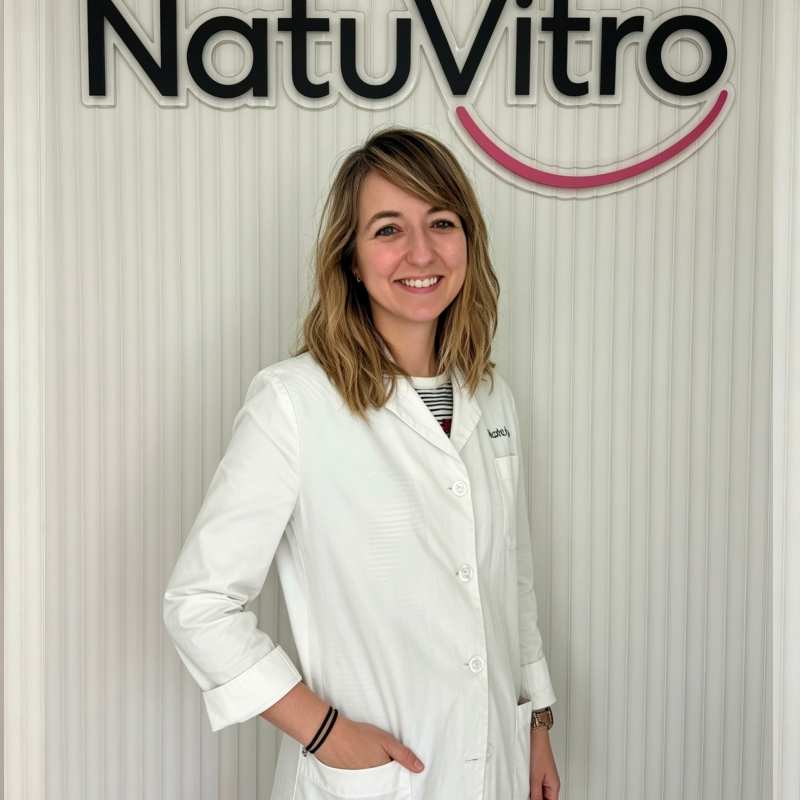
Dr. Cristina Pérez
Specialist in Assisted Reproduction
Medical Director
Medical Director
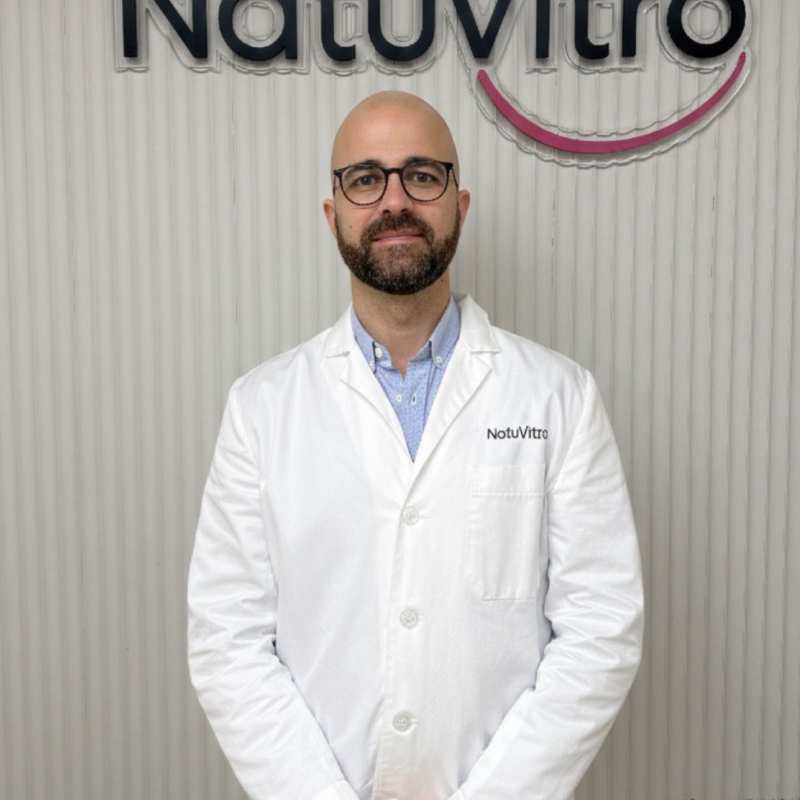
Dr. Jean-Paul Bouiller
Specialist in Assisted Reproduction
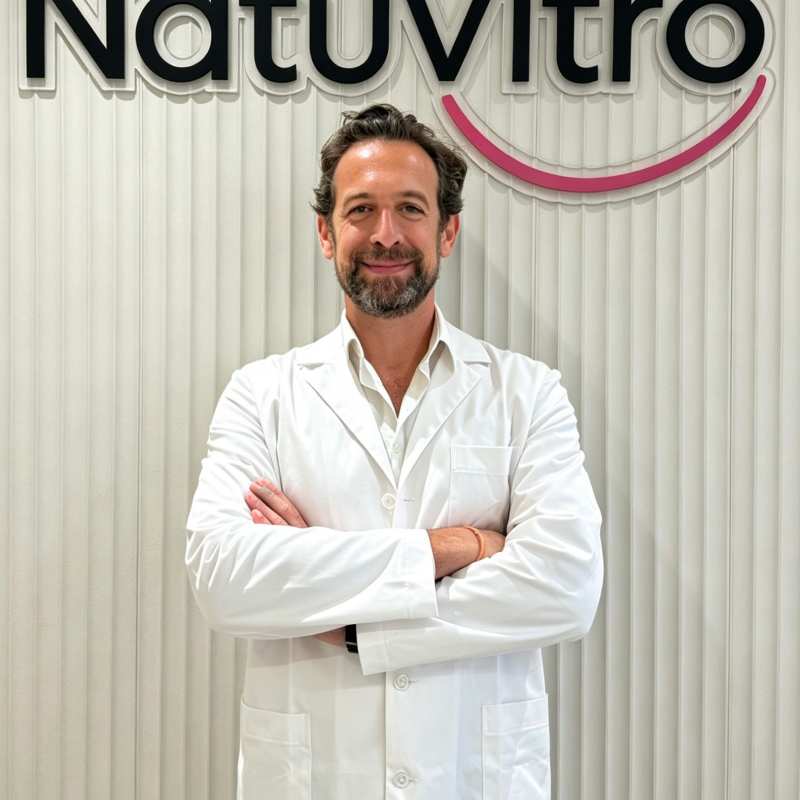
Dr. Frédéric Lamazou
Specialist in Assisted Reproduction
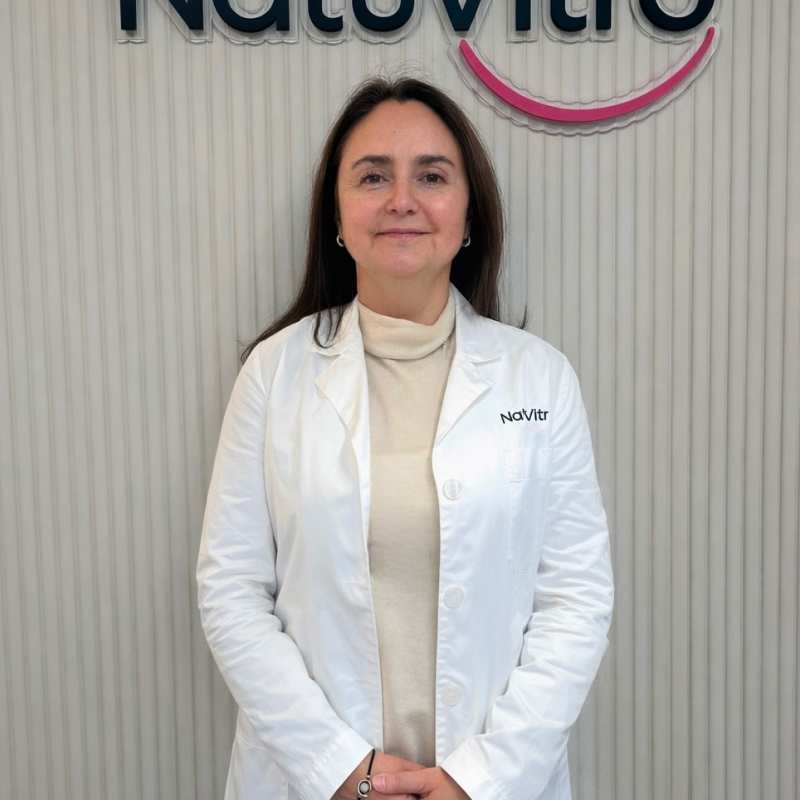
Dr. Karinna Lattes
Chief Scientific Officer
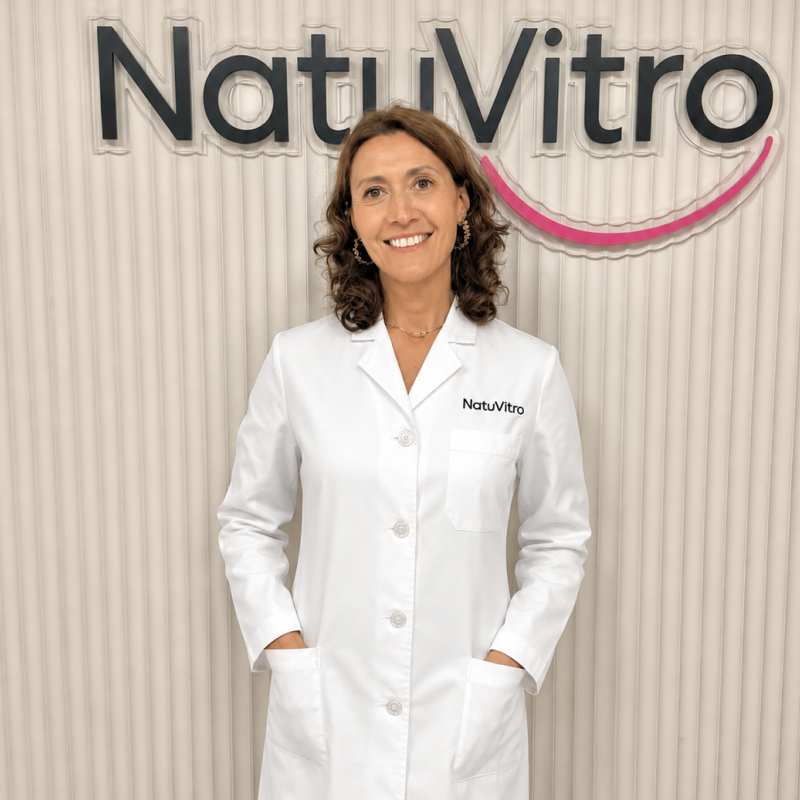
Dr. Elena Prada
Specialist in Assisted Reproduction
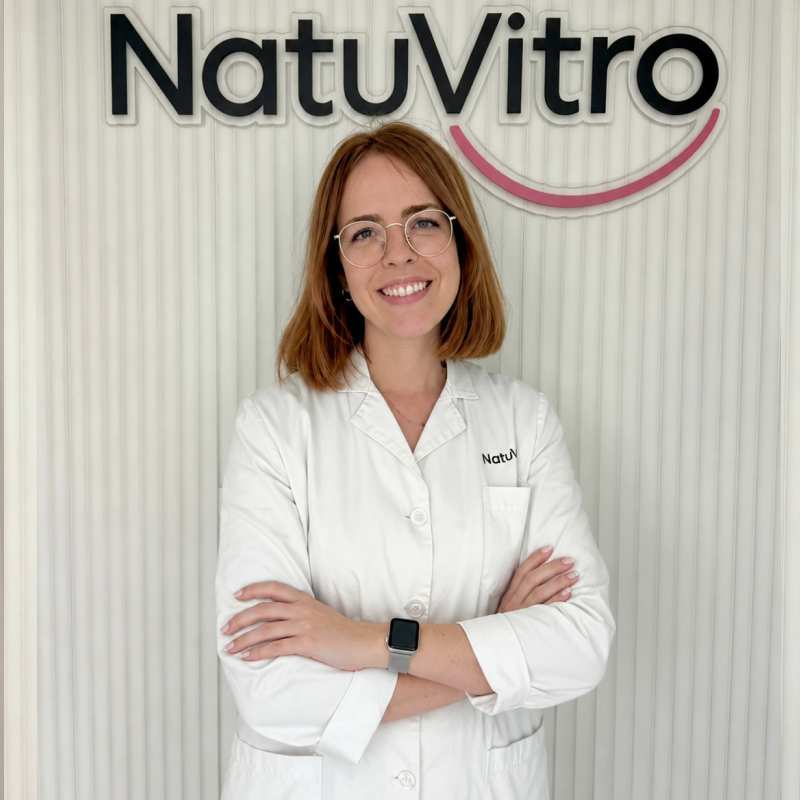
Dr. Maria Jesús Puy
Specialist in Assisted Reproduction
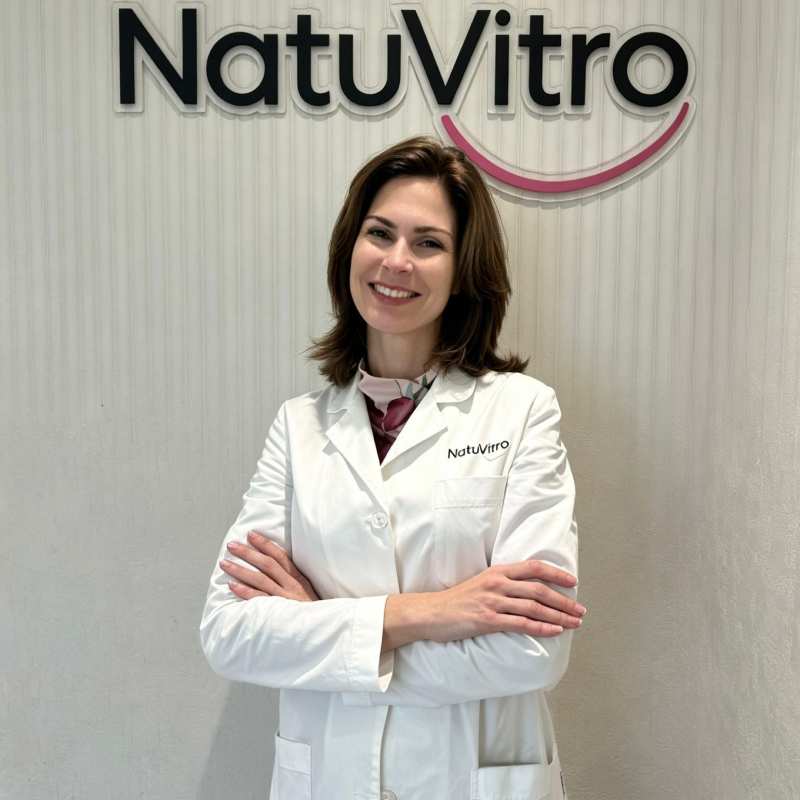
Dr. Patricia Zabala Franco
Specialist in Assisted Reproduction
Have questions?
Request your free consultation today!
Our experts are ready to examine your case history, clarify your choices, and address every question you have.
Don't wait to make informed decisions – your personalized guidance awaits!
The field is filled in incorrectly
+34
- Spain (España)+34
- France (La France)+33
- Italy (Italia)+39
- United Kingdom+44
- United States+1
- Belgium (België)+32
- Switzerland (Schweiz/Suisse)+41
- Germany (Deutschland)+49
- Netherlands (Nederland)+31
- Afghanistan (افغانستان)+93
- Albania (Shqipëri)+355
- Algeria (الجزائر)+213
- American Samoa+1
- Andorra+376
- Angola+244
- Anguilla+1
- Antigua and Barbuda+1
- Argentina+54
- Armenia (Հայաստան)+374
- Aruba+297
- Ascension Island+247
- Australia+61
- Austria (Österreich)+43
- Azerbaijan (Azərbaycan)+994
- Bahamas+1
- Bahrain (البحرين)+973
- Bangladesh (বাংলাদেশ)+880
- Barbados+1
- Belarus (Беларусь)+375
- Belize+501
- Benin (Bénin)+229
- Bermuda+1
- Bhutan (འབྲུག)+975
- Bolivia+591
- Bosnia and Herzegovina (Босна и Херцеговина)+387
- Botswana+267
- Brazil (Brasil)+55
- British Indian Ocean Territory+246
- British Virgin Islands+1
- Brunei+673
- Bulgaria (България)+359
- Burkina Faso+226
- Burundi (Uburundi)+257
- Cambodia (កម្ពុជា)+855
- Cameroon (Cameroun)+237
- Canada+1
- Cape Verde (Kabu Verdi)+238
- Caribbean Netherlands+599
- Cayman Islands+1
- Central African Republic (République centrafricaine)+236
- Chad (Tchad)+235
- Chile+56
- China (中国)+86
- Christmas Island+61
- Cocos (Keeling) Islands+61
- Colombia+57
- Comoros (جزر القمر)+269
- Congo (DRC) (Jamhuri ya Kidemokrasia ya Kongo)+243
- Congo (Republic) (Congo-Brazzaville)+242
- Cook Islands+682
- Costa Rica+506
- Côte d’Ivoire+225
- Croatia (Hrvatska)+385
- Cuba+53
- Curaçao+599
- Cyprus (Κύπρος)+357
- Czech Republic (Česká republika)+420
- Denmark (Danmark)+45
- Djibouti+253
- Dominica+1
- Dominican Republic (República Dominicana)+1
- Ecuador+593
- Egypt (مصر)+20
- El Salvador+503
- Equatorial Guinea (Guinea Ecuatorial)+240
- Eritrea+291
- Estonia (Eesti)+372
- Eswatini+268
- Ethiopia+251
- Falkland Islands (Islas Malvinas)+500
- Faroe Islands (Føroyar)+298
- Fiji+679
- Finland (Suomi)+358
- French Guiana (Guyane française)+594
- French Polynesia (Polynésie française)+689
- Gabon+241
- Gambia+220
- Georgia (საქართველო)+995
- Ghana (Gaana)+233
- Gibraltar+350
- Greece (Ελλάδα)+30
- Greenland (Kalaallit Nunaat)+299
- Grenada+1
- Guadeloupe+590
- Guam+1
- Guatemala+502
- Guernsey+44
- Guinea (Guinée)+224
- Guinea-Bissau (Guiné Bissau)+245
- Guyana+592
- Haiti+509
- Honduras+504
- Hong Kong (香港)+852
- Hungary (Magyarország)+36
- Iceland (Ísland)+354
- India (भारत)+91
- Indonesia+62
- Iran (ایران)+98
- Iraq (العراق)+964
- Ireland+353
- Isle of Man+44
- Israel (ישראל)+972
- Italy (Italia)+39
- Jamaica+1
- Japan (日本)+81
- Jersey+44
- Jordan (الأردن)+962
- Kazakhstan (Казахстан)+7
- Kenya+254
- Kiribati+686
- Kosovo+383
- Kuwait (الكويت)+965
- Kyrgyzstan (Кыргызстан)+996
- Laos (ລາວ)+856
- Latvia (Latvija)+371
- Lebanon (لبنان)+961
- Lesotho+266
- Liberia+231
- Libya (ليبيا)+218
- Liechtenstein+423
- Lithuania (Lietuva)+370
- Luxembourg+352
- Macau (澳門)+853
- North Macedonia (Македонија)+389
- Madagascar (Madagasikara)+261
- Malawi+265
- Malaysia+60
- Maldives+960
- Mali+223
- Malta+356
- Marshall Islands+692
- Martinique+596
- Mauritania (موريتانيا)+222
- Mauritius (Moris)+230
- Mayotte+262
- Mexico (México)+52
- Micronesia+691
- Moldova (Republica Moldova)+373
- Monaco+377
- Mongolia (Монгол)+976
- Montenegro (Crna Gora)+382
- Montserrat+1
- Morocco (المغرب)+212
- Mozambique (Moçambique)+258
- Myanmar (Burma) (မြန်မာ)+95
- Namibia (Namibië)+264
- Nauru+674
- Nepal (नेपाल)+977
- New Caledonia (Nouvelle-Calédonie)+687
- New Zealand+64
- Nicaragua+505
- Niger (Nijar)+227
- Nigeria+234
- Niue+683
- Norfolk Island+672
- North Korea (조선 민주주의 인민 공화국)+850
- Northern Mariana Islands+1
- Norway (Norge)+47
- Oman (عُمان)+968
- Pakistan (پاکستان)+92
- Palau+680
- Palestine (فلسطين)+970
- Panama (Panamá)+507
- Papua New Guinea+675
- Paraguay+595
- Peru (Perú)+51
- Philippines+63
- Poland (Polska)+48
- Portugal+351
- Puerto Rico+1
- Qatar (قطر)+974
- Réunion (La Réunion)+262
- Romania (România)+40
- Russia (Россия)+7
- Rwanda+250
- Saint Barthélemy+590
- Saint Helena+290
- Saint Kitts and Nevis+1
- Saint Lucia+1
- Saint Martin (Saint-Martin (partie française))+590
- Saint Pierre and Miquelon (Saint-Pierre-et-Miquelon)+508
- Saint Vincent and the Grenadines+1
- Samoa+685
- San Marino+378
- São Tomé and Príncipe (São Tomé e Príncipe)+239
- Saudi Arabia (المملكة العربية السعودية)+966
- Senegal (Sénégal)+221
- Serbia (Србија)+381
- Seychelles+248
- Sierra Leone+232
- Singapore+65
- Sint Maarten+1
- Slovakia (Slovensko)+421
- Slovenia (Slovenija)+386
- Solomon Islands+677
- Somalia (Soomaaliya)+252
- South Africa+27
- South Korea (대한민국)+82
- South Sudan (جنوب السودان)+211
- Spain (España)+34
- Sri Lanka (ශ්රී ලංකාව)+94
- Sudan (السودان)+249
- Suriname+597
- Svalbard and Jan Mayen+47
- Sweden (Sverige)+46
- Syria (سوريا)+963
- Taiwan (台灣)+886
- Tajikistan+992
- Tanzania+255
- Thailand (ไทย)+66
- Timor-Leste+670
- Togo+228
- Tokelau+690
- Tonga+676
- Trinidad and Tobago+1
- Tunisia (تونس)+216
- Turkey (Türkiye)+90
- Turkmenistan+993
- Turks and Caicos Islands+1
- Tuvalu+688
- U.S. Virgin Islands+1
- Uganda+256
- Ukraine (Україна)+380
- United Arab Emirates (الإمارات العربية المتحدة)+971
- Uruguay+598
- Uzbekistan (Oʻzbekiston)+998
- Vanuatu+678
- Vatican City (Città del Vaticano)+39
- Venezuela+58
- Vietnam (Việt Nam)+84
- Wallis and Futuna (Wallis-et-Futuna)+681
- Western Sahara (الصحراء الغربية)+212
- Yemen (اليمن)+967
- Zambia+260
- Zimbabwe+263
- Åland Islands+358
The field is filled in incorrectly
Visit our clinic
We are located in the heart of Barcelona.
Location
Call us now
Leave a message