 Assisted Reproduction Center
 Assisted Reproduction Center
For most of us, pregnancy is perceived as a simple and understandable biological cycle that begins with conception and invariably ends with the birth of a child nine months later. However, the human reproductive system is much more complex and includes what are called intermediate or borderline states. For example, a woman may see the two expected lines on a pregnancy test, and after only a few days or a week, the result becomes negative again and the delay is replaced by normal periods.
This phenomenon is called “chemical pregnancy” (CP). It is often a source of deep anxiety, numerous questions, and strong emotions, as the joy of motherhood gives way to disappointment in just a few days. Despite the specific medical term, it is essential for any woman concerned about her reproductive health and considering pregnancy to understand what a chemical pregnancy is and to understand the Beta hCG level, which is an important indicator of the functioning of the reproductive system.
What is a chemical pregnancy?
A chemical pregnancy is a state in which conception has effectively taken place and the body has begun to signal it at the molecular level, but embryo development has stopped at a very early stage. The fertilization process of the egg was successful, and the fertilized egg reached the uterine cavity and even started producing a specific hormone, human chorionic gonadotropin (hCG). However, for various biological reasons, pregnancy was interrupted before it could be detected physically or visually (ultrasound).
The key difference between a chemical pregnancy and a clinical (normal) pregnancy lies in the following aspects:
- Absence of visualization: at such an early stage (usually 4 to 5 weeks of obstetric gestation), the fertilized egg cannot be seen via ultrasound. It is microscopic-sized and hasn't had time to firmly implant into the endometrium, or its development stopped immediately after the implantation attempt.
- Hormonal trace: The only reliable confirmation of conception is a blood test in a laboratory to measure the hCG level. It is precisely the appearance of this hormone in the bloodstream that is tested to determine pregnancy.
- Brief duration and subclinical evolution: the process typically ends before even a significant delay occurs or within the first days following its appearance. It is in some ways a “false start,” where the body has already triggered a cascade of changes but was unable to sustain them.
Many women experience this state without even realizing it. If a woman does not actively plan for pregnancy and does not take tests before the expected period, she may consider what occurred as a normal menstruation, arriving with a slight delay. Often, this menstruation is accompanied by a slightly more pronounced pain syndrome, a heaviness in the lower abdomen, or unusual sensations in the breasts, which can be easily mistaken for classical premenstrual syndrome.
Main causes of a chemical pregnancy
Pregnancy is a complex process involving several stages, whose success depends on the ideal combination of many factors: the quality of gametes, the permeability of the reproductive tracts, the preparation of the uterine lining, and an adequate immune response. A chemical pregnancy is rarely accidental failure; more often, it is the result of a rigorous natural selection. The body performs a “quality control” from the beginning, eliminating non-viable scenarios.
Chromosomal and genetic anomalies
This is the fundamental and most common cause of early losses, accounting for up to 70% of all chemical pregnancy cases. In the first hours and days following fertilization, embryonic cells divide at an incredible rate. During this intense process, random errors can occur in chromosome segregation or DNA copying.
It is important to understand that most of these anomalies are not hereditary and do not mean that the parents are “ill.” They are spontaneous mutations, whose risk increases under certain circumstances:
- Age factor: the quality of eggs (ovarian reserve) decreases after 35 years, leading more often to aneuploidy (incorrect number of chromosomes in the embryo).
- External factors: damage to the DNA of gametes can be caused by viral infections, exposure to toxins, heavy metals, or radiation.
- Spermatogenic factor: the quality of sperm, including a high level of DNA fragmentation, can also cause the formation of a weak embryo that ceases development after implantation.
If the embryo carries severe anomalies that make subsequent organ and system formation impossible, the maternal body detects it and stops supporting it.
Hormonal imbalance
Hormones are “binders” and “builders” that prepare the uterus to receive the embryo. If this system is disrupted, the embryo simply cannot properly implant into the endometrium. The following factors can lead to pregnancy interruption:
- Luteal insufficiency: low progesterone levels prevent the endometrium from becoming sufficiently lush and nutritive to retain the embryo.
- Thyroid dysfunction: TSH has a direct influence on fertility; hypothyroidism is often the hidden cause of early miscarriages.
- Metabolic disorders: Polycystic ovary syndrome (PCOS) and insulin resistance create a hormonal environment unfavorable for early fetal development.
- Stress factor: constantly elevated cortisol levels can inhibit reproductive hormone production, disrupting the “implantation window.”
Immunological factors
The mother's immune system faces a unique task: it must tolerate the embryo, which is 50% foreign genetic material from the father. Normally, immune suppression mechanisms in the uterus protect the embryo. However, in cases of pathologies (for example, antiphospholipid syndrome or the presence of certain antibodies), the immune system perceives the embryo as an aggressive agent and attacks its cells, thus preventing implantation.
Anatomical and vascular pathologies
The state of the endometrium is essential for chemical pregnancy. Chronic endometritis, fibroids, polyps, or the presence of adhesions (synechiae) create physical obstacles to attachment. Additionally, blood clotting disorders (thrombophilia) can lead to microthrombi formation in vessels supplying the fertilized egg, resulting in its death from lack of nutrition before it becomes visible on ultrasound.
Symptoms: how to recognize this condition?
Chemical pregnancy is insidious because its symptoms are nonspecific. At this stage, hormone levels are not yet high enough to cause classic toxemia. Women may notice:
- A slight delay: often, menstruation occurs 2 to 5 days after the expected date.
- A change in the nature of vaginal discharge: blood may be darker, with clots, and bleeding may be longer or more painful than usual.
- Psycho-emotional lability: sudden mood swings, drowsiness, or irritability that disappear suddenly with the onset of menstruation.
- Disappearance of symptoms: if your breasts started to be sensitive to touch, then deflated the day before your period, it often indicates a sudden drop in progesterone and hCG levels.
Role of hCG testing in diagnosis
Laboratory blood testing remains the only way to distinguish an ectopic pregnancy from a simple cycle disorder. Human chorionic gonadotropin begins to be produced by the cells of the future trophoblast immediately after implantation into the uterus. In cases of chemical pregnancy, the hCG level in blood:
- Gives a positive result (above 5 mIU/ml), but values often remain low (for example, 15, 25, or 40 mIU/ml).
- Indicates inadequate growth. Normally, the level doubles every two days, but in a chemical pregnancy, it may increase slightly or start decreasing the next day.
- Falls to “non-pregnant” values when bleeding begins.
Urine tests sold in pharmacies have variable sensitivity. They often show a faint second line, which fades day by day until disappearing completely. This is a definite sign that implantation has started but could not be firmly established.
Chemical pregnancy in IVF protocols
In assisted reproductive technology programs, every detail is given maximum attention, which is why chemical pregnancies are very common. They occur in 15 to 25% of transfer cases.
Standard IVF protocol
When the couple's cells are used, a chemical pregnancy is often due to the genetic quality of the embryos. Even if the embryologist has selected the best samples, without PGT-A (preimplantation genetic testing), it is impossible to guarantee the absence of chromosomal anomalies. The ovarian response to stimulation also influences the outcome: high hormone doses may temporarily reduce endometrial receptivity.
IVF with egg donation
Donated eggs are collected from young, healthy, screened women, minimizing the risk of genetic anomalies. If an IVF cycle with donation fails, clinicians focus on the recipient. This may indicate issues related to the “implantation window,” hidden inflammatory processes in the uterus, or the need to adjust progesterone doses during treatment. On our blog, we also examined in detail the question: “Does pregnancy from egg donation differ from natural conception?” where we analyze the subtleties of pregnancy and the influence of the donor’s genes on the health of the future baby.
IVF with double donation
These programs have the best chances of success. In this scenario, chemical pregnancy is a rare event that generally indicates systemic problems in the woman's body, such as disrupted uterine blood flow or a pronounced immune response.
For reproductive specialists, a chemical pregnancy after IVF is a “positive implantation test.” It proves that the transfer was technically successful, that the embryo began interacting with the uterus, and that the couple has all the chances to carry out a clinical pregnancy in future attempts.
Recovery and future planning
Physiologically, the body recovers very quickly after a chemical pregnancy. Since the uterus has not undergone significant changes and the hormonal peak was short-lived and did not have time to provoke deep restructuring of all body systems, the normal cycle is usually restored by the following month. The absence of the need for surgery or aggressive treatment allows reproductive organs to return to their pre-pregnancy state without scars or inflammatory risks.
Recommendations for planning and recovery:
- Psychological re-adaptation: It is important to experience this moment mindfully and not to feel guilty about what happened. Remember that miscarriage is a way for nature to protect you from giving birth to a child with severe pathologies incompatible with life. Recognizing that your pain is real, even if pregnancy lasted only a few days, will help you overcome this loss more quickly.
- Examination: If a chemical pregnancy occurs for the first time, doctors usually do not prescribe extensive tests, considering it a fortuitous biological accident. However, in case of recurrence (called habitual miscarriage), further investigations are necessary: check parental karyotypes, exclude hereditary thrombophilias, assess thyroid function, and endometrial receptivity.
- Rest for recovery: it is recommended to wait 1 to 2 complete cycles before attempting conception again. This period is needed for the endometrium to fully renew, for the uterine receptors to regain sensitivity, and for psychological stabilization. During this time, the uterus has the opportunity to “rest” and prepare a terrain as favorable as possible for the next interaction with an embryo.
A chemical pregnancy is not a sign of infertility and is not a reason to despair. On the contrary, it is an important proof that your body is capable of conceiving and implanting, that the process works mechanically. It is simply a short pause necessary for the path to motherhood to lead to a happy outcome next time.
FAQ: Frequently Asked Questions
1. Is a chemical pregnancy considered a full miscarriage? From a medical point of view, yes, it is a very early spontaneous abortion. However, doctors distinguish between these two concepts because a chemical pregnancy does not require hospitalization, poses no bleeding risk to life, and does not require surgical intervention (curettage). It is a process managed by the body itself.
2. Is curettage necessary after a chemical pregnancy? In the vast majority of cases, no. At this stage, the fertilized egg is so small that it is expelled completely and without leaving traces with the menstrual endometrial layer. A follow-up ultrasound after bleeding cessation confirms that the uterine cavity is empty.
3. How long after a chemical pregnancy can one try to conceive again? From a purely physiological standpoint, conception is possible during the next cycle (2 weeks after bleeding). However, most doctors recommend waiting for a cycle to have natural periods and ensure that the hCG level has returned to zero and that ovarian function is normal.
4. Can taking vitamins prevent a chemical pregnancy? Vitamins (especially folic acid) reduce the risk of neural tube defects but cannot correct severe chromosomal anomalies of the embryo that occurred during cell division. Nevertheless, a good preparation (prenatal supplement) improves the overall condition of the reproductive system.
5. Does ultrasound show signs of a chemical pregnancy? No, the egg itself is not visible. The doctor can only note indirect signs: a thickened endometrium and the presence of a corpus luteum in the ovary, which are characteristic of the second phase of the cycle or early pregnancy. But ultrasound cannot confirm the presence of an embryo in the uterus at this stage.

Dr. Cristina Pérez
Specialist in Assisted Reproduction
Medical Director
Medical Director
Dr. Jean-Paul Bouiller
Specialist in Assisted Reproduction
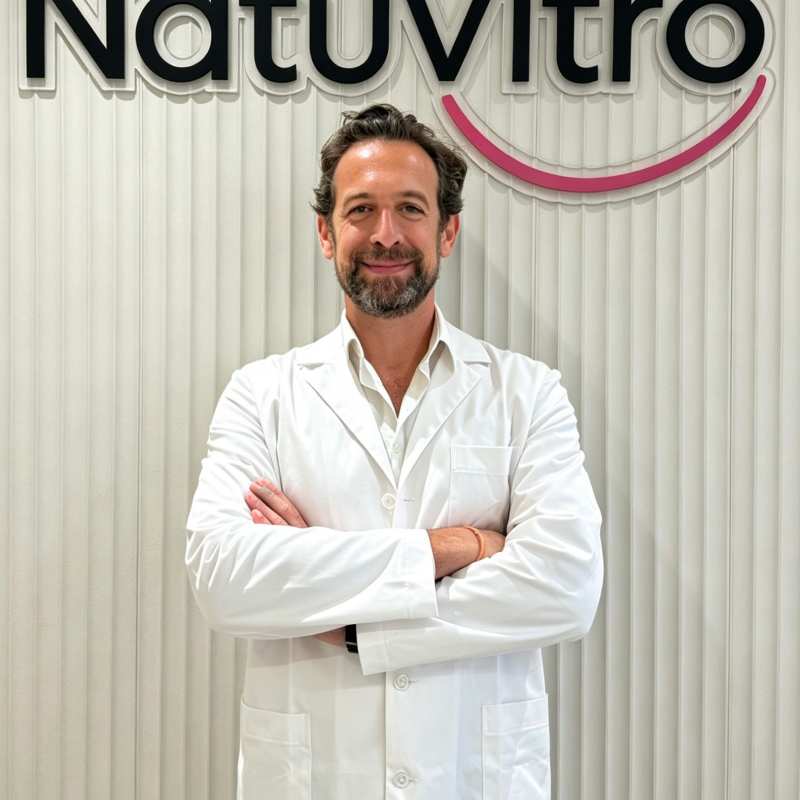
Dr. Frédéric Lamazou
Specialist in Assisted Reproduction
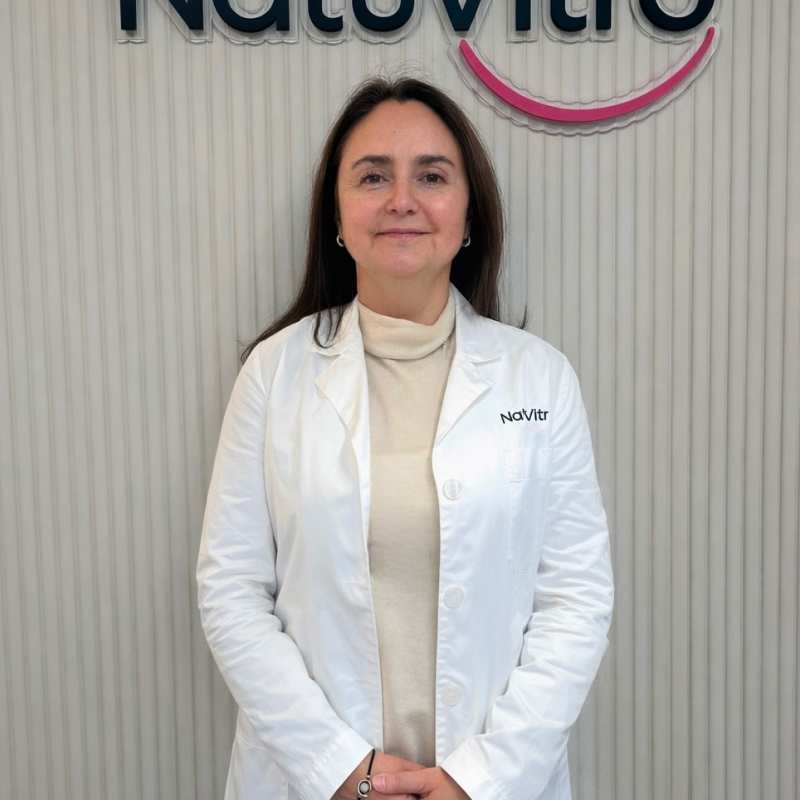
Dr. Karinna Lattes
Chief Scientific Officer

Dr. Elena Prada
Specialist in Assisted Reproduction
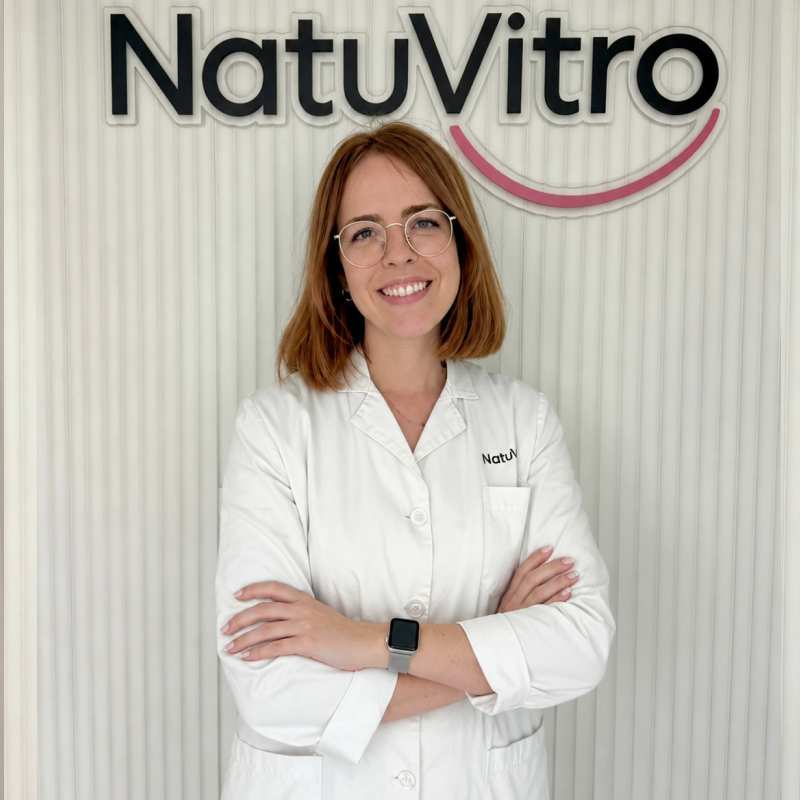
Dr. Maria Jesús Puy
Specialist in Assisted Reproduction
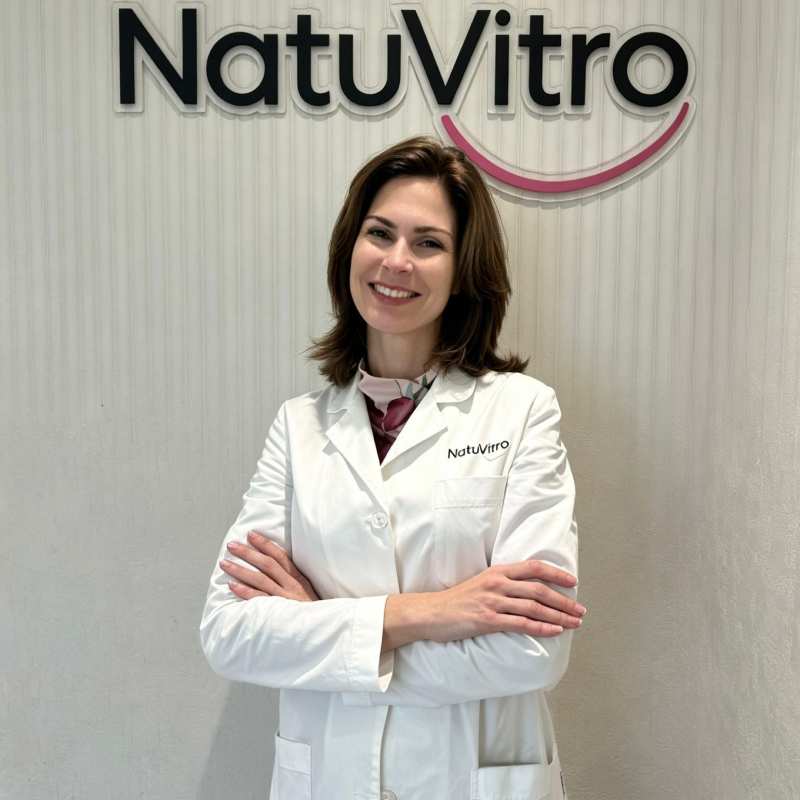
Dr. Patricia Zabala Franco
Specialist in Assisted Reproduction
Have questions?
Request your free consultation today!
Our experts are ready to examine your case history, clarify your choices, and address every question you have.
Don't wait to make informed decisions – your personalized guidance awaits!
The field is filled in incorrectly
+34
- Spain (España)+34
- France (La France)+33
- Italy (Italia)+39
- United Kingdom+44
- United States+1
- Belgium (België)+32
- Switzerland (Schweiz/Suisse)+41
- Germany (Deutschland)+49
- Netherlands (Nederland)+31
- Afghanistan (افغانستان)+93
- Albania (Shqipëri)+355
- Algeria (الجزائر)+213
- American Samoa+1
- Andorra+376
- Angola+244
- Anguilla+1
- Antigua and Barbuda+1
- Argentina+54
- Armenia (Հայաստան)+374
- Aruba+297
- Ascension Island+247
- Australia+61
- Austria (Österreich)+43
- Azerbaijan (Azərbaycan)+994
- Bahamas+1
- Bahrain (البحرين)+973
- Bangladesh (বাংলাদেশ)+880
- Barbados+1
- Belarus (Беларусь)+375
- Belize+501
- Benin (Bénin)+229
- Bermuda+1
- Bhutan (འབྲུག)+975
- Bolivia+591
- Bosnia and Herzegovina (Босна и Херцеговина)+387
- Botswana+267
- Brazil (Brasil)+55
- British Indian Ocean Territory+246
- British Virgin Islands+1
- Brunei+673
- Bulgaria (България)+359
- Burkina Faso+226
- Burundi (Uburundi)+257
- Cambodia (កម្ពុជា)+855
- Cameroon (Cameroun)+237
- Canada+1
- Cape Verde (Kabu Verdi)+238
- Caribbean Netherlands+599
- Cayman Islands+1
- Central African Republic (République centrafricaine)+236
- Chad (Tchad)+235
- Chile+56
- China (中国)+86
- Christmas Island+61
- Cocos (Keeling) Islands+61
- Colombia+57
- Comoros (جزر القمر)+269
- Congo (DRC) (Jamhuri ya Kidemokrasia ya Kongo)+243
- Congo (Republic) (Congo-Brazzaville)+242
- Cook Islands+682
- Costa Rica+506
- Côte d’Ivoire+225
- Croatia (Hrvatska)+385
- Cuba+53
- Curaçao+599
- Cyprus (Κύπρος)+357
- Czech Republic (Česká republika)+420
- Denmark (Danmark)+45
- Djibouti+253
- Dominica+1
- Dominican Republic (República Dominicana)+1
- Ecuador+593
- Egypt (مصر)+20
- El Salvador+503
- Equatorial Guinea (Guinea Ecuatorial)+240
- Eritrea+291
- Estonia (Eesti)+372
- Eswatini+268
- Ethiopia+251
- Falkland Islands (Islas Malvinas)+500
- Faroe Islands (Føroyar)+298
- Fiji+679
- Finland (Suomi)+358
- French Guiana (Guyane française)+594
- French Polynesia (Polynésie française)+689
- Gabon+241
- Gambia+220
- Georgia (საქართველო)+995
- Ghana (Gaana)+233
- Gibraltar+350
- Greece (Ελλάδα)+30
- Greenland (Kalaallit Nunaat)+299
- Grenada+1
- Guadeloupe+590
- Guam+1
- Guatemala+502
- Guernsey+44
- Guinea (Guinée)+224
- Guinea-Bissau (Guiné Bissau)+245
- Guyana+592
- Haiti+509
- Honduras+504
- Hong Kong (香港)+852
- Hungary (Magyarország)+36
- Iceland (Ísland)+354
- India (भारत)+91
- Indonesia+62
- Iran (ایران)+98
- Iraq (العراق)+964
- Ireland+353
- Isle of Man+44
- Israel (ישראל)+972
- Italy (Italia)+39
- Jamaica+1
- Japan (日本)+81
- Jersey+44
- Jordan (الأردن)+962
- Kazakhstan (Казахстан)+7
- Kenya+254
- Kiribati+686
- Kosovo+383
- Kuwait (الكويت)+965
- Kyrgyzstan (Кыргызстан)+996
- Laos (ລາວ)+856
- Latvia (Latvija)+371
- Lebanon (لبنان)+961
- Lesotho+266
- Liberia+231
- Libya (ليبيا)+218
- Liechtenstein+423
- Lithuania (Lietuva)+370
- Luxembourg+352
- Macau (澳門)+853
- North Macedonia (Македонија)+389
- Madagascar (Madagasikara)+261
- Malawi+265
- Malaysia+60
- Maldives+960
- Mali+223
- Malta+356
- Marshall Islands+692
- Martinique+596
- Mauritania (موريتانيا)+222
- Mauritius (Moris)+230
- Mayotte+262
- Mexico (México)+52
- Micronesia+691
- Moldova (Republica Moldova)+373
- Monaco+377
- Mongolia (Монгол)+976
- Montenegro (Crna Gora)+382
- Montserrat+1
- Morocco (المغرب)+212
- Mozambique (Moçambique)+258
- Myanmar (Burma) (မြန်မာ)+95
- Namibia (Namibië)+264
- Nauru+674
- Nepal (नेपाल)+977
- New Caledonia (Nouvelle-Calédonie)+687
- New Zealand+64
- Nicaragua+505
- Niger (Nijar)+227
- Nigeria+234
- Niue+683
- Norfolk Island+672
- North Korea (조선 민주주의 인민 공화국)+850
- Northern Mariana Islands+1
- Norway (Norge)+47
- Oman (عُمان)+968
- Pakistan (پاکستان)+92
- Palau+680
- Palestine (فلسطين)+970
- Panama (Panamá)+507
- Papua New Guinea+675
- Paraguay+595
- Peru (Perú)+51
- Philippines+63
- Poland (Polska)+48
- Portugal+351
- Puerto Rico+1
- Qatar (قطر)+974
- Réunion (La Réunion)+262
- Romania (România)+40
- Russia (Россия)+7
- Rwanda+250
- Saint Barthélemy+590
- Saint Helena+290
- Saint Kitts and Nevis+1
- Saint Lucia+1
- Saint Martin (Saint-Martin (partie française))+590
- Saint Pierre and Miquelon (Saint-Pierre-et-Miquelon)+508
- Saint Vincent and the Grenadines+1
- Samoa+685
- San Marino+378
- São Tomé and Príncipe (São Tomé e Príncipe)+239
- Saudi Arabia (المملكة العربية السعودية)+966
- Senegal (Sénégal)+221
- Serbia (Србија)+381
- Seychelles+248
- Sierra Leone+232
- Singapore+65
- Sint Maarten+1
- Slovakia (Slovensko)+421
- Slovenia (Slovenija)+386
- Solomon Islands+677
- Somalia (Soomaaliya)+252
- South Africa+27
- South Korea (대한민국)+82
- South Sudan (جنوب السودان)+211
- Spain (España)+34
- Sri Lanka (ශ්රී ලංකාව)+94
- Sudan (السودان)+249
- Suriname+597
- Svalbard and Jan Mayen+47
- Sweden (Sverige)+46
- Syria (سوريا)+963
- Taiwan (台灣)+886
- Tajikistan+992
- Tanzania+255
- Thailand (ไทย)+66
- Timor-Leste+670
- Togo+228
- Tokelau+690
- Tonga+676
- Trinidad and Tobago+1
- Tunisia (تونس)+216
- Turkey (Türkiye)+90
- Turkmenistan+993
- Turks and Caicos Islands+1
- Tuvalu+688
- U.S. Virgin Islands+1
- Uganda+256
- Ukraine (Україна)+380
- United Arab Emirates (الإمارات العربية المتحدة)+971
- Uruguay+598
- Uzbekistan (Oʻzbekiston)+998
- Vanuatu+678
- Vatican City (Città del Vaticano)+39
- Venezuela+58
- Vietnam (Việt Nam)+84
- Wallis and Futuna (Wallis-et-Futuna)+681
- Western Sahara (الصحراء الغربية)+212
- Yemen (اليمن)+967
- Zambia+260
- Zimbabwe+263
- Åland Islands+358
The field is filled in incorrectly
Visit our clinic
We are located in the heart of Barcelona.
Location
Call us now
Leave a message