 Assisted Reproduction Center
 Assisted Reproduction Center
What Is Oncofertility and Why Is This Field So Critical?
Oncofertility is an interdisciplinary field of medicine that emerged at the intersection of oncology and reproductive medicine. Its primary goal is to identify and implement methods for preserving the ability to have children in patients facing cancer. Thanks to the rapid development of biotechnology, a cancer diagnosis no longer automatically means giving up the dream of biological parenthood.
The first official guidelines laying the foundation for this field were presented in 2006 by the American Society of Clinical Oncology (ASCO). In this landmark document, experts openly stated for the first time that oncologists are obligated to discuss the risks of infertility with patients of reproductive age and to offer specific strategies for preserving fertility even before aggressive therapy begins. These standards were later endorsed and elaborated upon by the European Society for Medical Oncology (ESMO) and other global professional societies.
Statistics underscore the severity of the problem: according to large-scale studies (Oktay et al., 2018; Loren et al., 2013), up to 80% of young people (under 45 years of age) risk permanently losing their reproductive function after undergoing treatment. However, there is a significant information gap: only 30% to 50% of patients receive timely information about cryopreservation and other preservation methods (Letourneau et al., 2012). Early consultation with a reproductive specialist not only offers the chance to have children in the future but also significantly improves the patient’s psychological well-being, boosting motivation for recovery. In this regard, the specialists at the NatuVitro clinic have extensive successful experience working with patients who have undergone cancer treatment, offering cutting-edge solutions to help them achieve their reproductive goals.
Optimal timing: when should you start thinking about the future?
The issue of preserving reproductive potential should become a priority immediately after the diagnosis is confirmed. The ideal “window of opportunity” is the period between diagnosis and the first session of chemotherapy or radiation therapy. It is these treatments that have the most damaging effect on reproductive cells.
It has been scientifically proven (Oktay et al., 2018) that strategies implemented before the start of treatment show the highest effectiveness. However, even if therapy is required immediately, emergency protocols exist. For men, this may involve immediate sperm freezing, and for women, the removal of ovarian tissue, which does not require prolonged hormonal preparation. The key is to remember that time is of the essence, and timely consultation with specialists allows for a solution to be found even in the most complex clinical cases.
Mechanisms of cancer therapy’s impact on the reproductive system
Modern cancer treatment (chemotherapy, radiation therapy, surgery) often exhibits significant gonadotoxicity. This means that drugs and radiation attack the body’s rapidly dividing cells, which include reproductive cells.
- In women: Treatment can cause a sharp depletion of ovarian reserve (egg supply), trigger premature menopause, or lead to irreversible damage to the structure of the ovaries. Alkylating agents, such as cyclophosphamide, pose a particular risk (Wallace et al., 2005). The extent of harm depends directly on the patient’s age, the type of drug, and the total dosage.
- In men: Suppression of spermatogenesis is observed. This manifests as a decrease in concentration, motility, or the complete disappearance of sperm in the ejaculate.
- Radiation therapy: Radiation exposure to the pelvic region or the brain (affecting the hypothalamic-pituitary axis) can completely block the production of hormones necessary for conception.
- Surgery: Removal of reproductive organs (uterus, ovaries, testicles) physically precludes the possibility of natural conception.
Assessing these risks proactively allows for the development of a personalized protection plan that minimizes the consequences of intensive treatment protocols (Terenziani et al., 2020; Rodriguez-Wallberg & Oktay, 2014).
When should you make an appointment with a reproductive specialist?
As soon as possible. Modern reproductive medicine offers “Random Start” protocols (starting on any day of the cycle), which allow you to begin the fertility preservation process literally on the day of your visit. It is important to understand: most procedures for freezing biomaterial do not require a long delay in cancer treatment and do not reduce its effectiveness.
Main methods of fertility preservation: male and female approaches
The approach is always selected individually, based on the patient’s age, tumor type, and the time available to the doctor before treatment begins.
Solutions for women
Specialists strongly advise against limiting oneself to retrieving eggs during a natural cycle, as this yields only a single egg and wastes time. The following methods are more effective:
- Oocyte (egg) cryopreservation: The “gold standard.” After a short course of hormonal stimulation (10–14 days), the eggs are retrieved and frozen using the vitrification method.
- Embryo freezing: Used when there is a permanent partner or when donor sperm is used. Embryos are more resistant to freezing and thawing.
- Ovarian tissue cryopreservation: A unique method in which a portion of ovarian tissue containing thousands of immature follicles is surgically removed. This method is indispensable for children who have not yet reached puberty and for patients who cannot delay chemotherapy by even a single day. The tissue can be reimplanted (autotransplantation) after recovery to restore hormonal balance and fertility.
- Use of GnRH agonists: Administration of special medications during chemotherapy to “shut down” the ovaries, which theoretically reduces their sensitivity to toxins.
Solutions for men
- Sperm cryopreservation: A simple, reliable, and affordable method. Samples can be stored for decades without loss of quality.
- Testicular tissue cryopreservation: A promising method for prepubescent boys or men from whom ejaculate cannot be obtained. While the method is still considered experimental, it is actively being developed.
In Summary
Oncofertility is a real bridge between successful cancer treatment and a fulfilling life afterward. It is important to realize:
- Cancer is not the end of your plans for parenthood.
- Every patient of reproductive age, regardless of the stage of the disease, should be consulted by a reproductive specialist (M. Lambertini, F.A. Peccatori, 2020).
- Fertility preservation procedures are safe and do not interfere with primary treatment.
- Timeliness is the key to success.
FAQ: Frequently Asked Questions
1. Will hormonal stimulation during egg freezing lead to tumor growth?
Modern protocols (e.g., using letrozole-based medications) are specifically designed for patients with hormone-dependent tumors (breast cancer). They allow for safe stimulation without raising blood estrogen levels above physiological norms.
2. How long does the fertility preservation procedure take?
For men—1 day. For women—10 to 14 days in the case of stimulation. If the ovarian tissue freezing method is used, it can be done within 1–2 days.
3. Can children born after cancer treatment be healthy?
Yes. Numerous studies show that the use of previously frozen biomaterial (eggs, sperm, embryos) does not increase the risk of congenital anomalies or the development of cancer in children compared to the general population.
4. Are there age restrictions?
For women, these programs are effective until the onset of menopause (usually up to age 40–42, depending on ovarian reserve). For men, there are no strict age limits, but sperm quality is assessed on an individual basis.
5. What should you do if treatment needs to start “yesterday”?
In such cases, the method of choice is ovarian tissue cryopreservation for women or urgent sperm donation for men. This does not require hormonal preparation.
List of references:
- American Society of Clinical Oncology (ASCO). (2006). Fertility preservation in patients undergoing therapy for cancer. Journal of Clinical Oncology, 24(18), 2917–2931.
- Oktay, K., et al. (2018). Fertility preservation in cancer patients: an update of ASCO clinical guidelines. Journal of Clinical Oncology, 36(19), 1994–2001.
- Loren, A. W., et al. (2013). Fertility preservation in patients with cancer: updated clinical practice guidelines from the American Society of Clinical Oncology. Journal of Clinical Oncology, 31(19), 2500–2510.
- Letourneau, J. M., et al. (2012). Pre-treatment fertility counseling and fertility preservation improve quality of life in women of reproductive age with cancer. Cancer, 118(6), 1710–1717.
- Lambertini, M., Peccatori, F. A., et al. (2020). Fertility preservation and pregnancy after treatment in post-pubertal patients with cancer: ESMO clinical guidelines. Annals of Oncology, 31(12), 1664–1678.

Dr. Cristina Pérez
Specialist in Assisted Reproduction
Medical Director
Medical Director
Dr. Jean-Paul Bouiller
Specialist in Assisted Reproduction
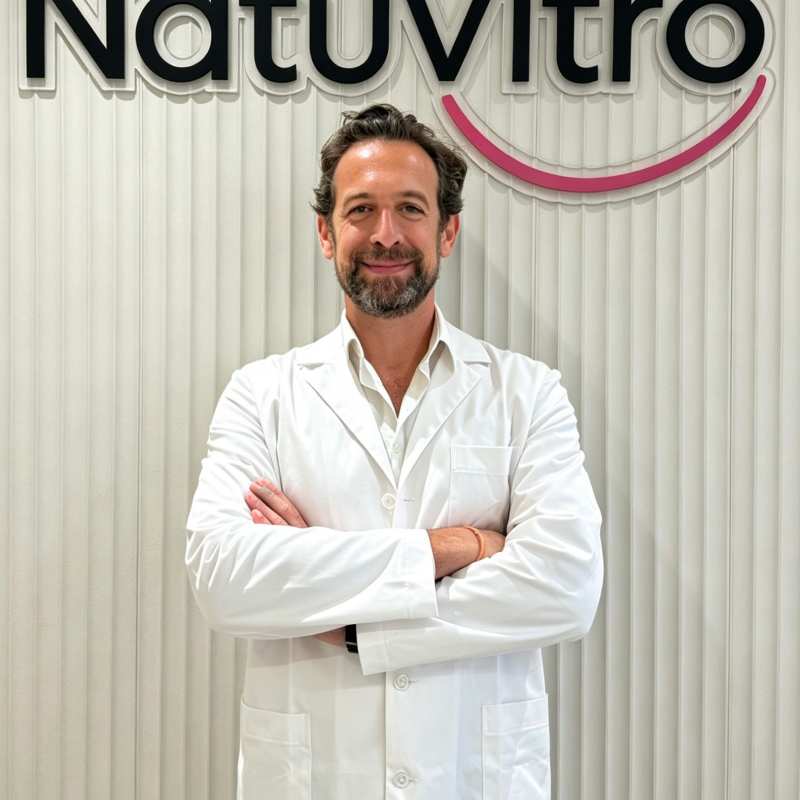
Dr. Frédéric Lamazou
Specialist in Assisted Reproduction
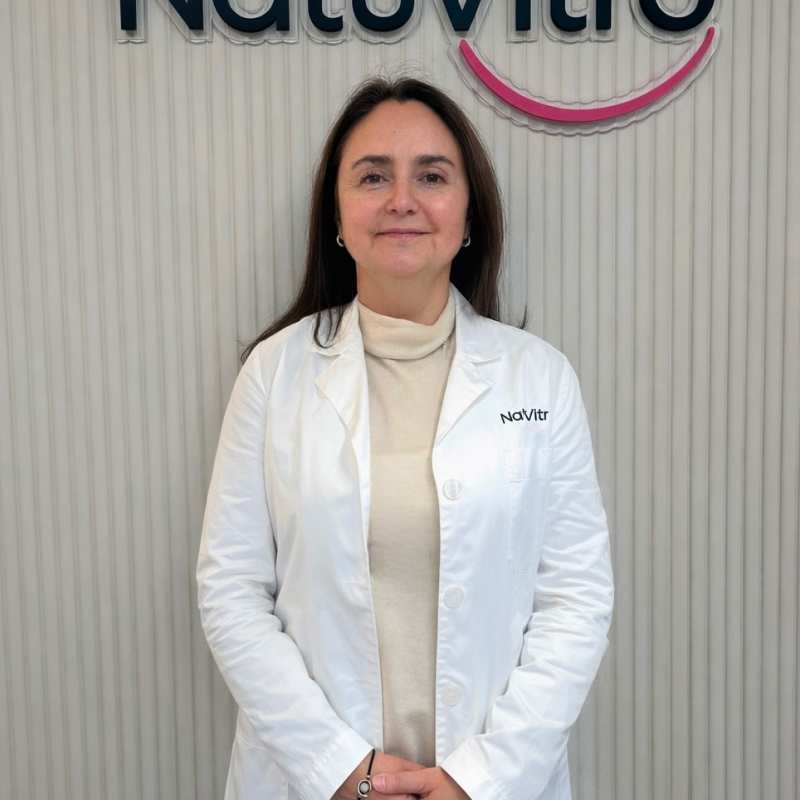
Dr. Karinna Lattes
Chief Scientific Officer
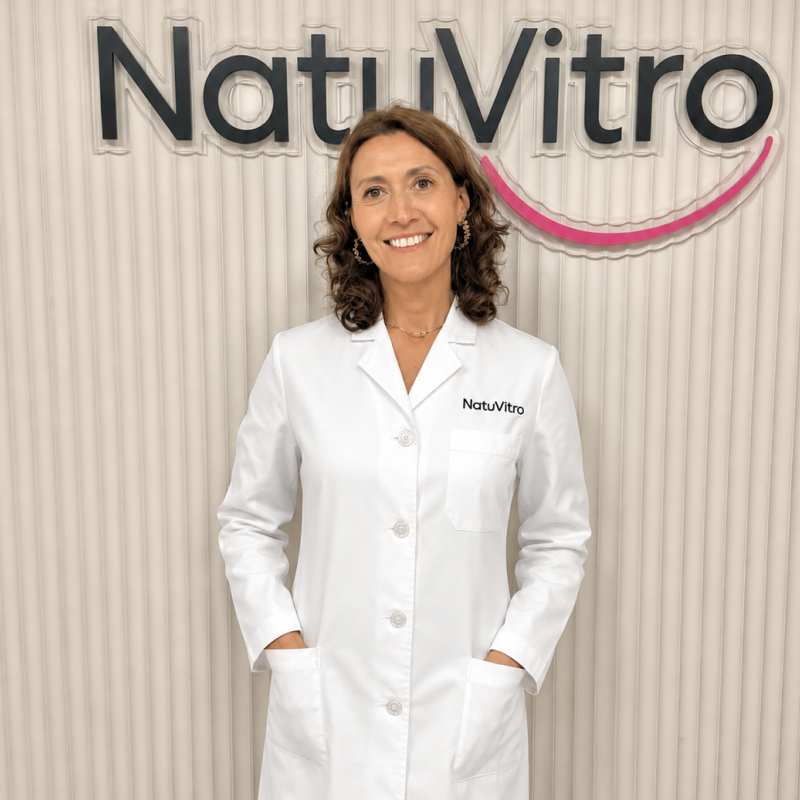
Dr. Elena Prada
Specialist in Assisted Reproduction
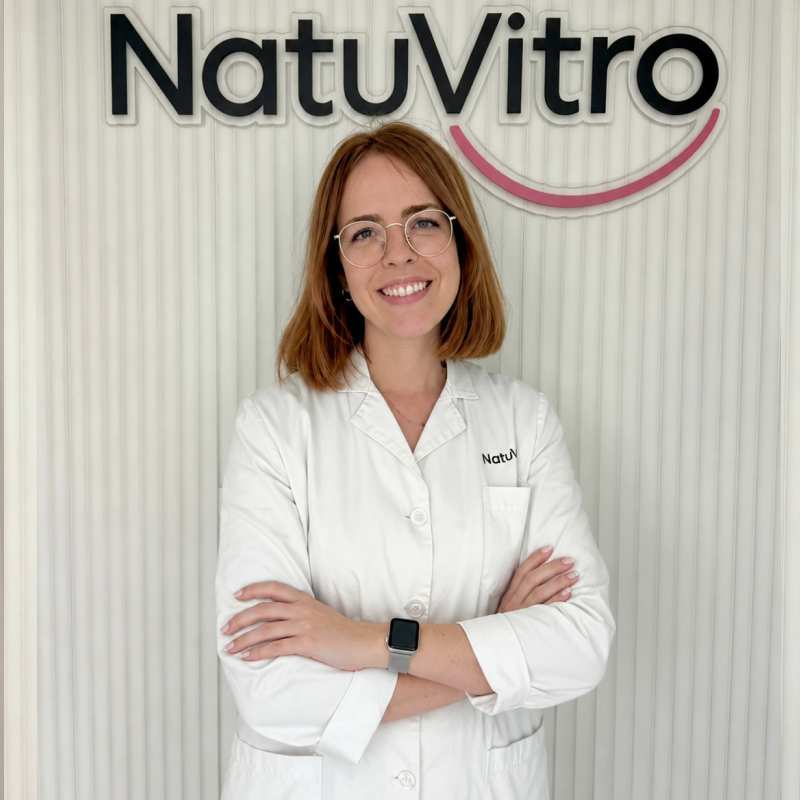
Dr. Maria Jesús Puy
Specialist in Assisted Reproduction
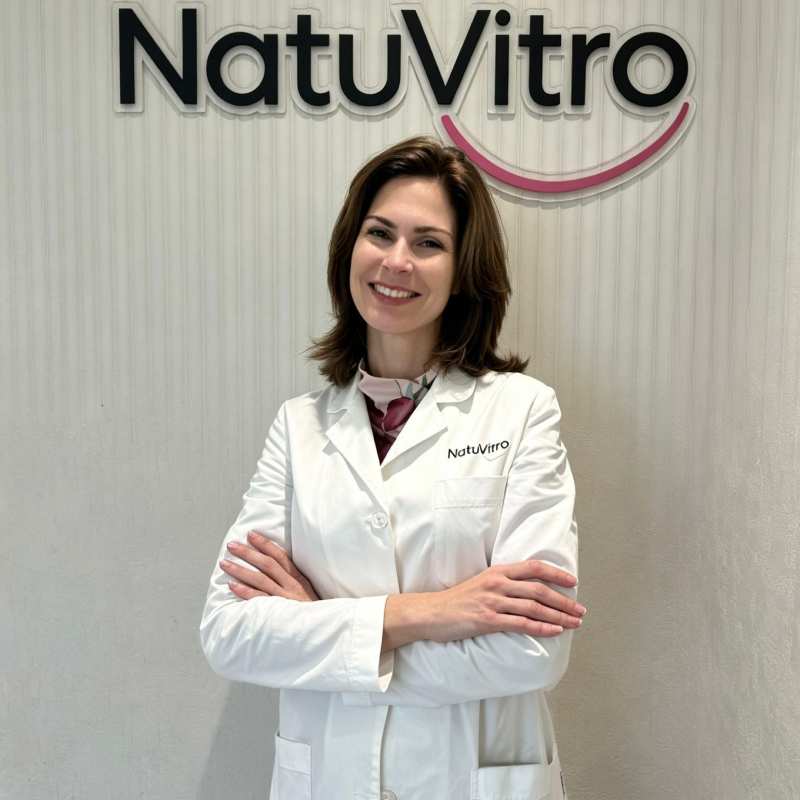
Dr. Patricia Zabala Franco
Specialist in Assisted Reproduction
Have questions?
Request your free consultation today!
Our experts are ready to examine your case history, clarify your choices, and address every question you have.
Don't wait to make informed decisions – your personalized guidance awaits!
The field is filled in incorrectly
+34
- Spain (España)+34
- France (La France)+33
- Italy (Italia)+39
- United Kingdom+44
- United States+1
- Belgium (België)+32
- Switzerland (Schweiz/Suisse)+41
- Germany (Deutschland)+49
- Netherlands (Nederland)+31
- Afghanistan (افغانستان)+93
- Albania (Shqipëri)+355
- Algeria (الجزائر)+213
- American Samoa+1
- Andorra+376
- Angola+244
- Anguilla+1
- Antigua and Barbuda+1
- Argentina+54
- Armenia (Հայաստան)+374
- Aruba+297
- Ascension Island+247
- Australia+61
- Austria (Österreich)+43
- Azerbaijan (Azərbaycan)+994
- Bahamas+1
- Bahrain (البحرين)+973
- Bangladesh (বাংলাদেশ)+880
- Barbados+1
- Belarus (Беларусь)+375
- Belize+501
- Benin (Bénin)+229
- Bermuda+1
- Bhutan (འབྲུག)+975
- Bolivia+591
- Bosnia and Herzegovina (Босна и Херцеговина)+387
- Botswana+267
- Brazil (Brasil)+55
- British Indian Ocean Territory+246
- British Virgin Islands+1
- Brunei+673
- Bulgaria (България)+359
- Burkina Faso+226
- Burundi (Uburundi)+257
- Cambodia (កម្ពុជា)+855
- Cameroon (Cameroun)+237
- Canada+1
- Cape Verde (Kabu Verdi)+238
- Caribbean Netherlands+599
- Cayman Islands+1
- Central African Republic (République centrafricaine)+236
- Chad (Tchad)+235
- Chile+56
- China (中国)+86
- Christmas Island+61
- Cocos (Keeling) Islands+61
- Colombia+57
- Comoros (جزر القمر)+269
- Congo (DRC) (Jamhuri ya Kidemokrasia ya Kongo)+243
- Congo (Republic) (Congo-Brazzaville)+242
- Cook Islands+682
- Costa Rica+506
- Côte d’Ivoire+225
- Croatia (Hrvatska)+385
- Cuba+53
- Curaçao+599
- Cyprus (Κύπρος)+357
- Czech Republic (Česká republika)+420
- Denmark (Danmark)+45
- Djibouti+253
- Dominica+1
- Dominican Republic (República Dominicana)+1
- Ecuador+593
- Egypt (مصر)+20
- El Salvador+503
- Equatorial Guinea (Guinea Ecuatorial)+240
- Eritrea+291
- Estonia (Eesti)+372
- Eswatini+268
- Ethiopia+251
- Falkland Islands (Islas Malvinas)+500
- Faroe Islands (Føroyar)+298
- Fiji+679
- Finland (Suomi)+358
- French Guiana (Guyane française)+594
- French Polynesia (Polynésie française)+689
- Gabon+241
- Gambia+220
- Georgia (საქართველო)+995
- Ghana (Gaana)+233
- Gibraltar+350
- Greece (Ελλάδα)+30
- Greenland (Kalaallit Nunaat)+299
- Grenada+1
- Guadeloupe+590
- Guam+1
- Guatemala+502
- Guernsey+44
- Guinea (Guinée)+224
- Guinea-Bissau (Guiné Bissau)+245
- Guyana+592
- Haiti+509
- Honduras+504
- Hong Kong (香港)+852
- Hungary (Magyarország)+36
- Iceland (Ísland)+354
- India (भारत)+91
- Indonesia+62
- Iran (ایران)+98
- Iraq (العراق)+964
- Ireland+353
- Isle of Man+44
- Israel (ישראל)+972
- Italy (Italia)+39
- Jamaica+1
- Japan (日本)+81
- Jersey+44
- Jordan (الأردن)+962
- Kazakhstan (Казахстан)+7
- Kenya+254
- Kiribati+686
- Kosovo+383
- Kuwait (الكويت)+965
- Kyrgyzstan (Кыргызстан)+996
- Laos (ລາວ)+856
- Latvia (Latvija)+371
- Lebanon (لبنان)+961
- Lesotho+266
- Liberia+231
- Libya (ليبيا)+218
- Liechtenstein+423
- Lithuania (Lietuva)+370
- Luxembourg+352
- Macau (澳門)+853
- North Macedonia (Македонија)+389
- Madagascar (Madagasikara)+261
- Malawi+265
- Malaysia+60
- Maldives+960
- Mali+223
- Malta+356
- Marshall Islands+692
- Martinique+596
- Mauritania (موريتانيا)+222
- Mauritius (Moris)+230
- Mayotte+262
- Mexico (México)+52
- Micronesia+691
- Moldova (Republica Moldova)+373
- Monaco+377
- Mongolia (Монгол)+976
- Montenegro (Crna Gora)+382
- Montserrat+1
- Morocco (المغرب)+212
- Mozambique (Moçambique)+258
- Myanmar (Burma) (မြန်မာ)+95
- Namibia (Namibië)+264
- Nauru+674
- Nepal (नेपाल)+977
- New Caledonia (Nouvelle-Calédonie)+687
- New Zealand+64
- Nicaragua+505
- Niger (Nijar)+227
- Nigeria+234
- Niue+683
- Norfolk Island+672
- North Korea (조선 민주주의 인민 공화국)+850
- Northern Mariana Islands+1
- Norway (Norge)+47
- Oman (عُمان)+968
- Pakistan (پاکستان)+92
- Palau+680
- Palestine (فلسطين)+970
- Panama (Panamá)+507
- Papua New Guinea+675
- Paraguay+595
- Peru (Perú)+51
- Philippines+63
- Poland (Polska)+48
- Portugal+351
- Puerto Rico+1
- Qatar (قطر)+974
- Réunion (La Réunion)+262
- Romania (România)+40
- Russia (Россия)+7
- Rwanda+250
- Saint Barthélemy+590
- Saint Helena+290
- Saint Kitts and Nevis+1
- Saint Lucia+1
- Saint Martin (Saint-Martin (partie française))+590
- Saint Pierre and Miquelon (Saint-Pierre-et-Miquelon)+508
- Saint Vincent and the Grenadines+1
- Samoa+685
- San Marino+378
- São Tomé and Príncipe (São Tomé e Príncipe)+239
- Saudi Arabia (المملكة العربية السعودية)+966
- Senegal (Sénégal)+221
- Serbia (Србија)+381
- Seychelles+248
- Sierra Leone+232
- Singapore+65
- Sint Maarten+1
- Slovakia (Slovensko)+421
- Slovenia (Slovenija)+386
- Solomon Islands+677
- Somalia (Soomaaliya)+252
- South Africa+27
- South Korea (대한민국)+82
- South Sudan (جنوب السودان)+211
- Spain (España)+34
- Sri Lanka (ශ්රී ලංකාව)+94
- Sudan (السودان)+249
- Suriname+597
- Svalbard and Jan Mayen+47
- Sweden (Sverige)+46
- Syria (سوريا)+963
- Taiwan (台灣)+886
- Tajikistan+992
- Tanzania+255
- Thailand (ไทย)+66
- Timor-Leste+670
- Togo+228
- Tokelau+690
- Tonga+676
- Trinidad and Tobago+1
- Tunisia (تونس)+216
- Turkey (Türkiye)+90
- Turkmenistan+993
- Turks and Caicos Islands+1
- Tuvalu+688
- U.S. Virgin Islands+1
- Uganda+256
- Ukraine (Україна)+380
- United Arab Emirates (الإمارات العربية المتحدة)+971
- Uruguay+598
- Uzbekistan (Oʻzbekiston)+998
- Vanuatu+678
- Vatican City (Città del Vaticano)+39
- Venezuela+58
- Vietnam (Việt Nam)+84
- Wallis and Futuna (Wallis-et-Futuna)+681
- Western Sahara (الصحراء الغربية)+212
- Yemen (اليمن)+967
- Zambia+260
- Zimbabwe+263
- Åland Islands+358
The field is filled in incorrectly
Visit our clinic
We are located in the heart of Barcelona.
Location
Call us now
Leave a message