 Assisted Reproduction Center
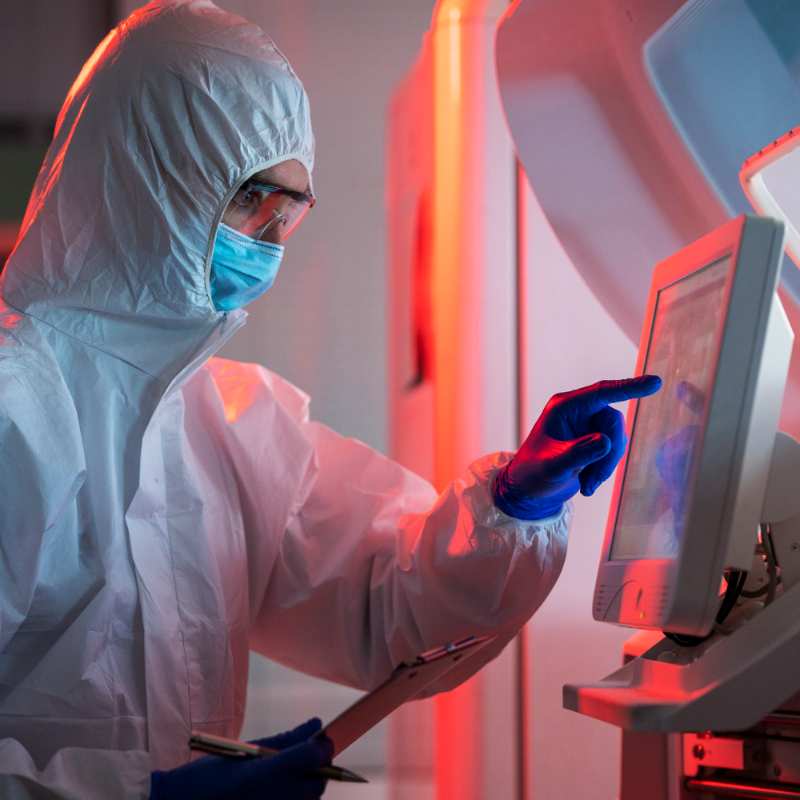 Assisted Reproduction Center
The transport of cryoconserved cells is a high-tech and strictly regulated process that involves moving biological material such as embryos, sperm, as well as samples derived from oocyte freezing or oocyte cryopreservation, in a highly frozen state. The main goal of this procedure is to ensure the continuity of the “cold chain” to fully preserve the viability and genetic integrity of the samples. It is worth noting that we previously discussed on our blog the issue of comprehensive approaches to fertility preservation in case of oncological diseases, emphasizing cryopreservation of different types of biological materials.
This service is critically important when patients decide to change fertility clinics, relocate to another city or country, or participate in international surrogacy or donation programs. Transportation requires not only specialized equipment but also in-depth knowledge of cryobiology and international transport law.
Indications for biological material transportation
The need to transport frozen cells can arise for several medical, logistical, or personal reasons:
- Change of treatment facility or branch: Patients may choose another clinic due to relocation, desire to change their doctor, or to achieve higher success rates with IVF protocols.
- Transfer to a specialized cryobank: In some cases, it is more advisable to store biological material long-term in large independent cryoconservation centers equipped with advanced security and autonomous power systems.
- International IVF programs and protocols: Transport is necessary for cross-border transfer of gametes or embryos if treatment is carried out in foreign clinics or when using material from international donor registries.
- Access to innovative technologies: The possibility of transportation gives patients the freedom to choose laboratories with the best equipment for PGT (preimplantation genetic diagnosis) or specific culture methods.
- Security guarantees: Distributing biological material across multiple storage sites can be considered a risk diversification measure.
A professional service includes secure logistics of various biomaterials, whether it involves oocyte freezing or oocyte cryopreservation, embryo or sperm transport, with guarantees of strict temperature control throughout the journey.
Transport technological process
Cryogenic transportation is not simply delivering a container but a series of critical steps:
1. Professional preparation and conditioning
The biological material does not come into direct contact with liquid nitrogen during transport. It is placed inside special containers called dry shippers (dry cryogenic containers). Inside these, there is a porous sorbent that absorbs liquid nitrogen and retains it as vapor. This maintains a stable temperature down to −196 °C and eliminates the risk of nitrogen leaks, making transportation possible even onboard airplanes as secured freight.
2. Continuous temperature monitoring
All transportation is monitored constantly. Electronic sensors and recorders (loggers) are installed in the containers to log temperature in real-time. Any deviation from the norm is detected, ensuring the quality of delivery to the recipient.
3. Specialized transport and logistics channels
Transport is carried out using certified containers compliant with strict standards of IATA (International Air Transport Association). Logistics routes are planned to minimize transit time and avoid delays at customs.
4. Legal and documentary support
Transport of biological samples requires preparing a set of documentation:
- Receiving and transfer acts of the material;
- Quality certificates (cryoconservation protocols);
- Ethics committee or health ministry approvals (for international transports);
- Cover letters for airport security services (to prevent X-ray irradiation of the container).
The transfer is performed without thawing, which is essential to preserve cellular structure and ensure subsequent use in reproductive cycles.
Quality guarantees and results
Modern biomaterial logistics enables obtaining results comparable to those achieved with cells that have not left the clinic’s environment:
- Embryos: Thanks to vitrification (ultra-rapid freezing) and temperature stability in the dry shipper, embryos retain maximum implantation potential after thawing.
- Oocytes and sperm: GMP-compliant transportation excludes deterioration of fragile cell membranes. Procedures involving oocyte freezing or oocyte cryopreservation require special attention to avoid ice crystal formation inside cells.
- Storage duration during transport: Professional containers can maintain operational temperature for 10 to 21 days, providing ample time for intercity and intercontinental journeys.
Table: Main steps and objectives of transportation
Material preparation: Packing into a dry cryogenic container (dry shipper) with a nitrogen vapor sorbent that guarantees stable, low temperature without nitrogen leaks.
Parameter monitoring: Installing electronic sensors and recorders; eliminating temperature fluctuations harmful to cells.
Documentation management: Preparing cryogenic protocols, certificates, and approvals in accordance with legal standards and clinic/district requirements.
Logistics: Transport by specialized courier or by plane; fast and secure delivery to the final destination.
Laboratory handover: Verifying sample integrity and identification by an embryologist; confirming material availability for procedures.
Service cost
The final price of transportation is calculated on a case-by-case basis and depends on several factors:
- Route geography: Domestic transports (within city or country) are less expensive than international transports due to the absence of customs duties and complex permits.
- Type of biomaterial: Number of pipettes (supports) and volume of the container used.
- Urgency: Need for dedicated courier accompaniment.
- Additional services: Support during loading by a qualified embryologist.
The price usually includes container rental, nitrogen refilling, documentation preparation, and liability insurance.
FAQ: Frequently Asked Questions
1. Is X-ray control at the airport safe for embryos? No, exposure to X-rays is extremely harmful to genetic material. That is why professional couriers have special permissions allowing them to perform manual inspection of the container without passing it through scanners.
2. Can biological material thaw during transport? This is impossible if certified isothermal containers are used. These containers are designed to keep internal temperature constant, even if overturned. The container’s autonomy (up to 2 weeks) far exceeds the duration of the longest flight.
3. Are specific analyses required for transport? Generally, the receiving clinic requires a standard set of tests (HIV, hepatitis, syphilis) for the individuals whose biological material is being transported. These data must be submitted with the accompanying documentation.
4. Can I transport the material myself? It is strongly discouraged. Standard thermoses do not maintain the required temperature, and transporting containers with liquid nitrogen is prohibited by air safety rules. Without a specialized temperature recorder, you cannot prove to the clinic that the material was not exposed to heat.
5. How long does it take to organize transportation? Nationally, administrative procedures take between 2 and 5 business days. International transport may require from 2 weeks to a month for coordination of documents between ministries and customs.
Information sources:
- IATA (International Air Transport Association). Perishable Cargo Regulations (PCR). Regulations for transporting sensitive goods and cryogenic materials.
- Cryoport Systems. Practical recommendations for transporting reproductive cells and embryos.
- ESHRE. Laboratory best practices guide in reproductive medicine.
- WHO (World Health Organization). Guide on biosafety in laboratories.
- ASRM (American Society for Reproductive Medicine). Standards for cryoconservation and tissue logistics.
- ISO 21973:2020. Biotechnology - Requirements for transporting cells for therapeutic purposes.
- Cryo-Transport Europe. Technical regulations and safety standards for gamete transport.

Dr. Cristina Pérez
Specialist in Assisted Reproduction
Medical Director
Medical Director
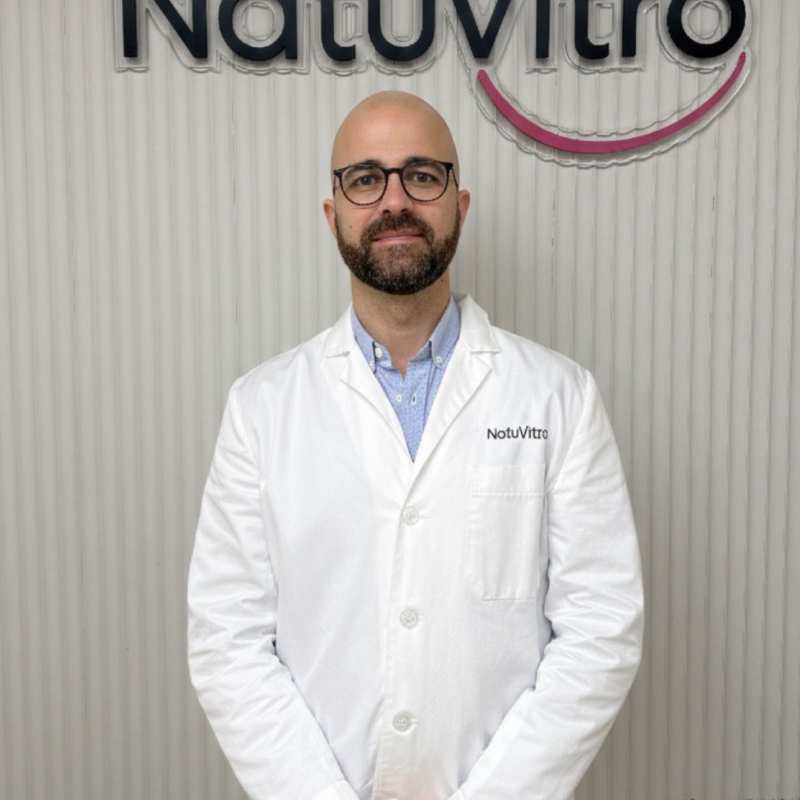
Dr. Jean-Paul Bouiller
Specialist in Assisted Reproduction
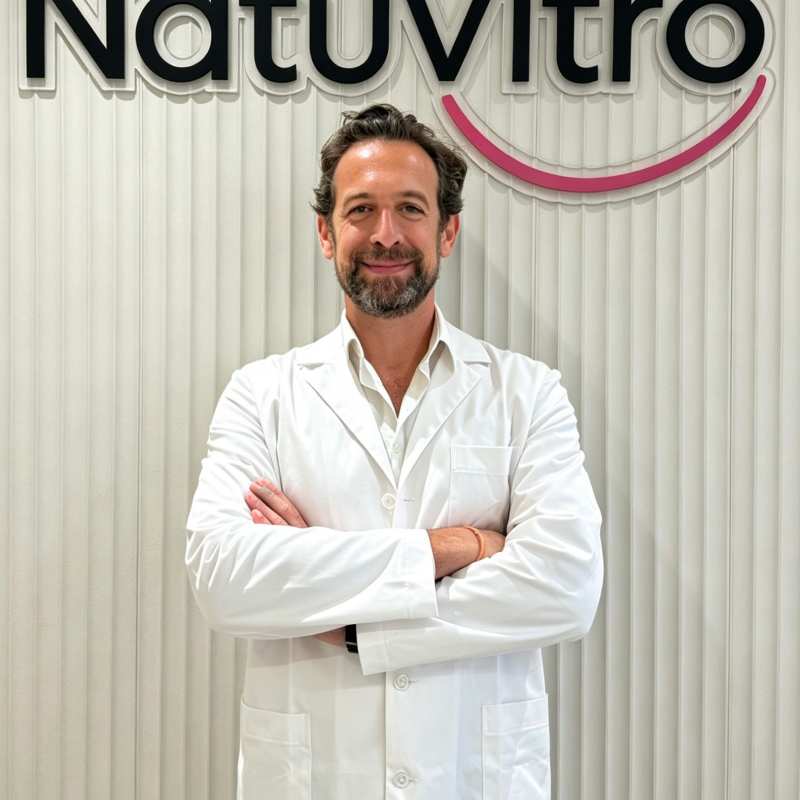
Dr. Frédéric Lamazou
Specialist in Assisted Reproduction
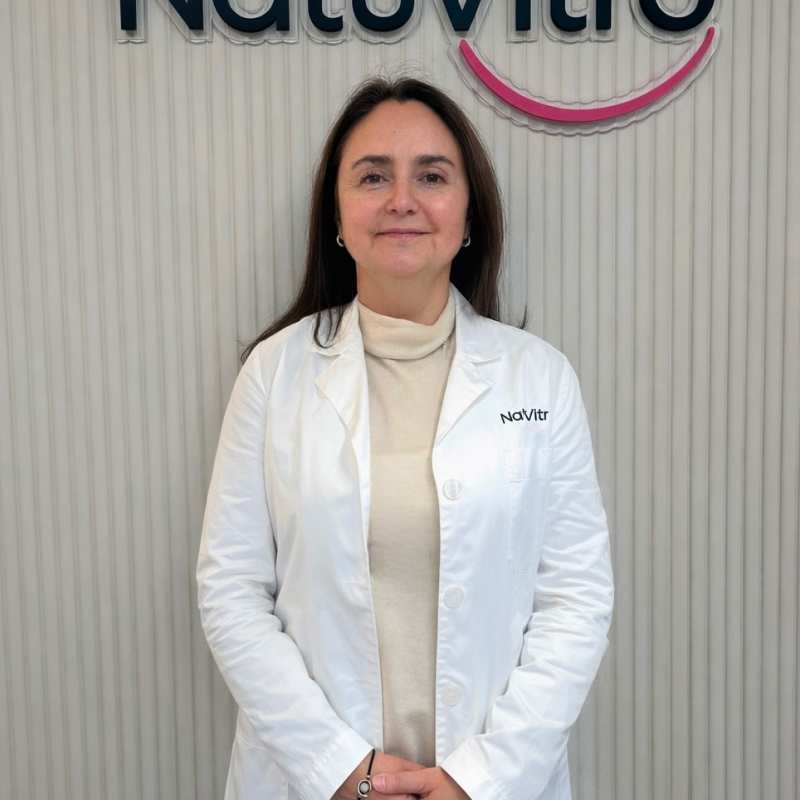
Dr. Karinna Lattes
Chief Scientific Officer

Dr. Elena Prada
Specialist in Assisted Reproduction
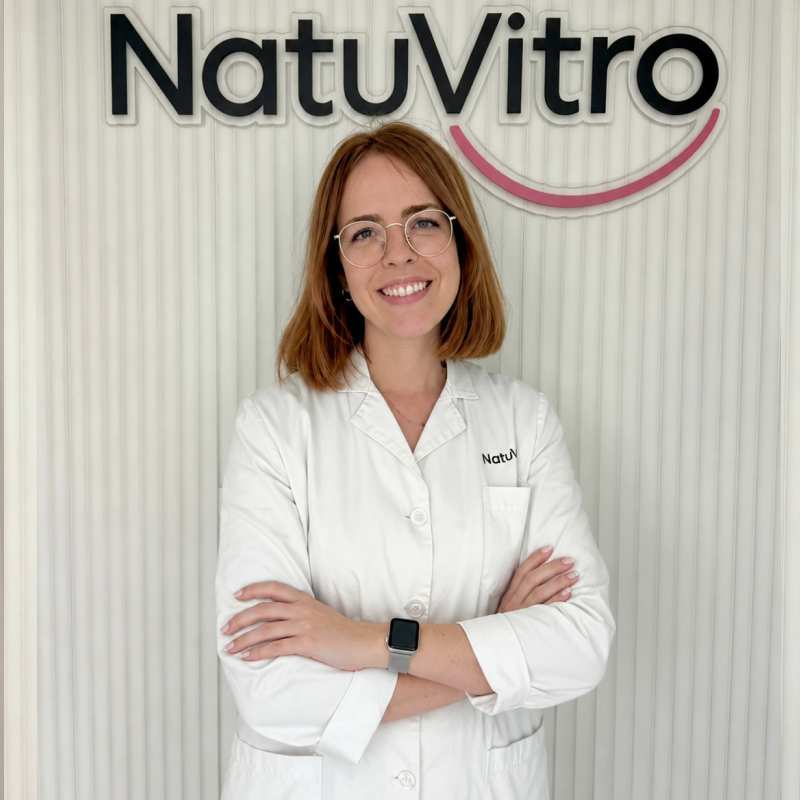
Dr. Maria Jesús Puy
Specialist in Assisted Reproduction
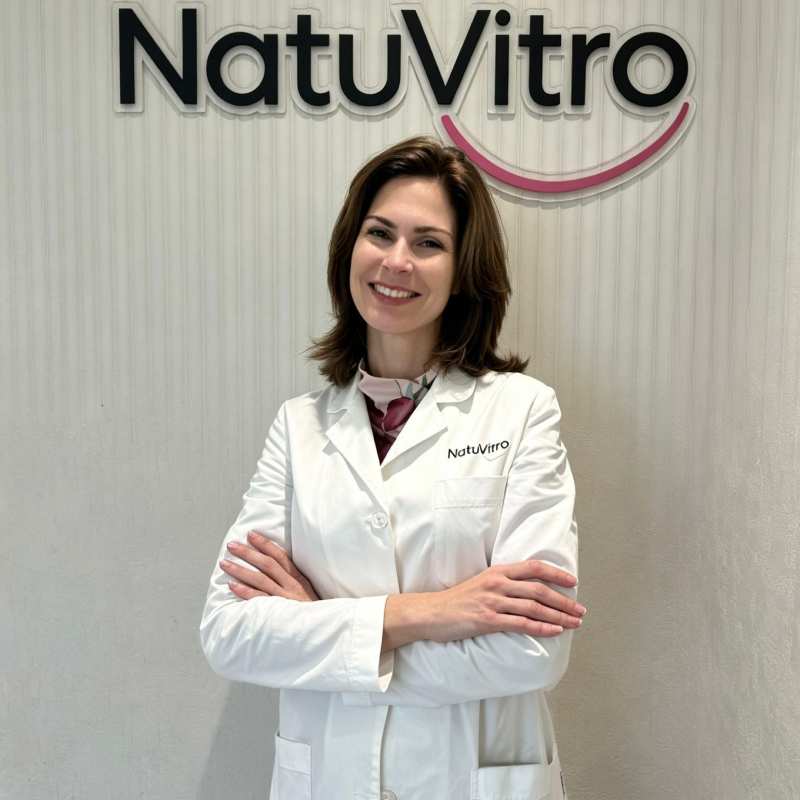
Dr. Patricia Zabala Franco
Specialist in Assisted Reproduction
Have questions?
Request your free consultation today!
Our experts are ready to examine your case history, clarify your choices, and address every question you have.
Don't wait to make informed decisions – your personalized guidance awaits!
The field is filled in incorrectly
+34
- Spain (España)+34
- France (La France)+33
- Italy (Italia)+39
- United Kingdom+44
- United States+1
- Belgium (België)+32
- Switzerland (Schweiz/Suisse)+41
- Germany (Deutschland)+49
- Netherlands (Nederland)+31
- Afghanistan (افغانستان)+93
- Albania (Shqipëri)+355
- Algeria (الجزائر)+213
- American Samoa+1
- Andorra+376
- Angola+244
- Anguilla+1
- Antigua and Barbuda+1
- Argentina+54
- Armenia (Հայաստան)+374
- Aruba+297
- Ascension Island+247
- Australia+61
- Austria (Österreich)+43
- Azerbaijan (Azərbaycan)+994
- Bahamas+1
- Bahrain (البحرين)+973
- Bangladesh (বাংলাদেশ)+880
- Barbados+1
- Belarus (Беларусь)+375
- Belize+501
- Benin (Bénin)+229
- Bermuda+1
- Bhutan (འབྲུག)+975
- Bolivia+591
- Bosnia and Herzegovina (Босна и Херцеговина)+387
- Botswana+267
- Brazil (Brasil)+55
- British Indian Ocean Territory+246
- British Virgin Islands+1
- Brunei+673
- Bulgaria (България)+359
- Burkina Faso+226
- Burundi (Uburundi)+257
- Cambodia (កម្ពុជា)+855
- Cameroon (Cameroun)+237
- Canada+1
- Cape Verde (Kabu Verdi)+238
- Caribbean Netherlands+599
- Cayman Islands+1
- Central African Republic (République centrafricaine)+236
- Chad (Tchad)+235
- Chile+56
- China (中国)+86
- Christmas Island+61
- Cocos (Keeling) Islands+61
- Colombia+57
- Comoros (جزر القمر)+269
- Congo (DRC) (Jamhuri ya Kidemokrasia ya Kongo)+243
- Congo (Republic) (Congo-Brazzaville)+242
- Cook Islands+682
- Costa Rica+506
- Côte d’Ivoire+225
- Croatia (Hrvatska)+385
- Cuba+53
- Curaçao+599
- Cyprus (Κύπρος)+357
- Czech Republic (Česká republika)+420
- Denmark (Danmark)+45
- Djibouti+253
- Dominica+1
- Dominican Republic (República Dominicana)+1
- Ecuador+593
- Egypt (مصر)+20
- El Salvador+503
- Equatorial Guinea (Guinea Ecuatorial)+240
- Eritrea+291
- Estonia (Eesti)+372
- Eswatini+268
- Ethiopia+251
- Falkland Islands (Islas Malvinas)+500
- Faroe Islands (Føroyar)+298
- Fiji+679
- Finland (Suomi)+358
- French Guiana (Guyane française)+594
- French Polynesia (Polynésie française)+689
- Gabon+241
- Gambia+220
- Georgia (საქართველო)+995
- Ghana (Gaana)+233
- Gibraltar+350
- Greece (Ελλάδα)+30
- Greenland (Kalaallit Nunaat)+299
- Grenada+1
- Guadeloupe+590
- Guam+1
- Guatemala+502
- Guernsey+44
- Guinea (Guinée)+224
- Guinea-Bissau (Guiné Bissau)+245
- Guyana+592
- Haiti+509
- Honduras+504
- Hong Kong (香港)+852
- Hungary (Magyarország)+36
- Iceland (Ísland)+354
- India (भारत)+91
- Indonesia+62
- Iran (ایران)+98
- Iraq (العراق)+964
- Ireland+353
- Isle of Man+44
- Israel (ישראל)+972
- Italy (Italia)+39
- Jamaica+1
- Japan (日本)+81
- Jersey+44
- Jordan (الأردن)+962
- Kazakhstan (Казахстан)+7
- Kenya+254
- Kiribati+686
- Kosovo+383
- Kuwait (الكويت)+965
- Kyrgyzstan (Кыргызстан)+996
- Laos (ລາວ)+856
- Latvia (Latvija)+371
- Lebanon (لبنان)+961
- Lesotho+266
- Liberia+231
- Libya (ليبيا)+218
- Liechtenstein+423
- Lithuania (Lietuva)+370
- Luxembourg+352
- Macau (澳門)+853
- North Macedonia (Македонија)+389
- Madagascar (Madagasikara)+261
- Malawi+265
- Malaysia+60
- Maldives+960
- Mali+223
- Malta+356
- Marshall Islands+692
- Martinique+596
- Mauritania (موريتانيا)+222
- Mauritius (Moris)+230
- Mayotte+262
- Mexico (México)+52
- Micronesia+691
- Moldova (Republica Moldova)+373
- Monaco+377
- Mongolia (Монгол)+976
- Montenegro (Crna Gora)+382
- Montserrat+1
- Morocco (المغرب)+212
- Mozambique (Moçambique)+258
- Myanmar (Burma) (မြန်မာ)+95
- Namibia (Namibië)+264
- Nauru+674
- Nepal (नेपाल)+977
- New Caledonia (Nouvelle-Calédonie)+687
- New Zealand+64
- Nicaragua+505
- Niger (Nijar)+227
- Nigeria+234
- Niue+683
- Norfolk Island+672
- North Korea (조선 민주주의 인민 공화국)+850
- Northern Mariana Islands+1
- Norway (Norge)+47
- Oman (عُمان)+968
- Pakistan (پاکستان)+92
- Palau+680
- Palestine (فلسطين)+970
- Panama (Panamá)+507
- Papua New Guinea+675
- Paraguay+595
- Peru (Perú)+51
- Philippines+63
- Poland (Polska)+48
- Portugal+351
- Puerto Rico+1
- Qatar (قطر)+974
- Réunion (La Réunion)+262
- Romania (România)+40
- Russia (Россия)+7
- Rwanda+250
- Saint Barthélemy+590
- Saint Helena+290
- Saint Kitts and Nevis+1
- Saint Lucia+1
- Saint Martin (Saint-Martin (partie française))+590
- Saint Pierre and Miquelon (Saint-Pierre-et-Miquelon)+508
- Saint Vincent and the Grenadines+1
- Samoa+685
- San Marino+378
- São Tomé and Príncipe (São Tomé e Príncipe)+239
- Saudi Arabia (المملكة العربية السعودية)+966
- Senegal (Sénégal)+221
- Serbia (Србија)+381
- Seychelles+248
- Sierra Leone+232
- Singapore+65
- Sint Maarten+1
- Slovakia (Slovensko)+421
- Slovenia (Slovenija)+386
- Solomon Islands+677
- Somalia (Soomaaliya)+252
- South Africa+27
- South Korea (대한민국)+82
- South Sudan (جنوب السودان)+211
- Spain (España)+34
- Sri Lanka (ශ්රී ලංකාව)+94
- Sudan (السودان)+249
- Suriname+597
- Svalbard and Jan Mayen+47
- Sweden (Sverige)+46
- Syria (سوريا)+963
- Taiwan (台灣)+886
- Tajikistan+992
- Tanzania+255
- Thailand (ไทย)+66
- Timor-Leste+670
- Togo+228
- Tokelau+690
- Tonga+676
- Trinidad and Tobago+1
- Tunisia (تونس)+216
- Turkey (Türkiye)+90
- Turkmenistan+993
- Turks and Caicos Islands+1
- Tuvalu+688
- U.S. Virgin Islands+1
- Uganda+256
- Ukraine (Україна)+380
- United Arab Emirates (الإمارات العربية المتحدة)+971
- Uruguay+598
- Uzbekistan (Oʻzbekiston)+998
- Vanuatu+678
- Vatican City (Città del Vaticano)+39
- Venezuela+58
- Vietnam (Việt Nam)+84
- Wallis and Futuna (Wallis-et-Futuna)+681
- Western Sahara (الصحراء الغربية)+212
- Yemen (اليمن)+967
- Zambia+260
- Zimbabwe+263
- Åland Islands+358
The field is filled in incorrectly
Visit our clinic
We are located in the heart of Barcelona.
Location
Call us now
Leave a message