 Assisted Reproduction Center
 Assisted Reproduction Center
In the strict biological sense, sexual desire is not only a psychological phenomenon, but also a vital indicator of the evolutionary capacity of the human being. It plays the role of the main driver of reproduction. This complex mechanism signals that the organism has accumulated enough internal resources, established an optimal hormonal balance, and is in good physical health to procreate. A decline in libido often acts as a natural intellectual brake. When the body is exhausted by stress, infections, or a hidden systemic illness, it temporarily disables reproductive functions that consume a lot of energy. This allows redirecting vital forces toward basic survival and restoring homeostasis. We will examine in detail libido through the lens of the reproductive system and determine effective ways to profoundly restore this natural process.
Sexual desire as a biological signal of reproductive status
Evolutionary biology interprets libido as a powerful and concentrated energy that aims exclusively to successfully transmit genetic material to future generations. It is the absolute priority of any living system. Libido acts as an invisible but extremely strong thread linking the human psyche to the fundamental and basic physiology. When we talk about desire, we are actually discussing a multi-level and very subtle dialogue between the hypothalamic-pituitary system of the brain and the sexual glands. This process resembles the operation of a complex neurochemical feedback loop. A high level of libido confirms several critical factors that determine an individual's biological value at a given moment.
First of all, it undeniably indicates an impeccable hormonal status. A sufficient amount of active sex steroids, such as testosterone or estrogens, circulates in the blood. These substances control not only libido but also cognitive functions, bone density, and tissue regeneration speed. Second, it is a clear sign of excess energy. The organism does not experience a deficiency in macronutrients and is not in forced famine mode. Leptin, a hormone produced by adipose tissue, is an important marker in this regard. It tells the hypothalamus that the stored reserves are sufficient for successful conception and pregnancy. If the fat level drops below a critical threshold, libido first extinguishes.
Thirdly, it is an indicator of deep psycho-emotional stability and absence of immediate external threats. The brain constantly scans the environment for dangers. Under favorable conditions, nature allows humans to dedicate enormous resources to seeking an appropriate partner and procreation. Understanding these interrelations is extremely important for longevity. That is why we addressed in our blog the issue of reproductive health, preservation, and restoration of fertility, where mechanisms of reproductive function protection are examined in detail.
The neurotransmitter dopamine plays an important role in this process. It is responsible for anticipating pleasure, excitement, and internal motivation. When the reproductive system is ready to operate actively, the brain deliberately increases dopamine receptor sensitivity. This makes the surrounding world more attractive and sexual stimuli seem incredibly vivid and enticing. Colors become more saturated, and odors more intense. Conversely, when reproductive potential is low, the dopaminergic system calms down and switches to strict economy mode. The person plunges into a state of apathy where even thoughts of intimacy start to seem tedious or completely superfluous. Thus, libido becomes a barometer of overall tone. It indicates how effectively your body handles external constraints and whether it is ready to create a new life right now.
Factors of reproductive dysfunction and mechanisms of desire extinction
The loss of interest in intimacy is practically never an isolated problem. More often, it is an alarming symptom indicating that the reproductive axis is functioning unstably or is threatened.
Hormonal imbalance directly and mercilessly affects fertility. A decrease in testosterone levels in men not only deteriorates the mechanical aspect of erection but also the qualitative indicators of spermatogenesis by reducing sperm count and motility. In women, a deficiency in estrogens or an excess of prolactin inhibits follicle maturation. Prolactin is often called the stress or parenting hormone. Its elevated concentration indicates to the body that conception is currently impossible or extremely undesirable. In such a situation, the brain automatically disables interest in sex due to its total biological uselessness.
The evolutionary response to stress also plays a destructive role. A consistently high cortisol level blocks the reproductive cycle at the hypothalamus level. From nature’s point of view, if an individual is under constant pressure—whether social conflicts or financial instability—the moment is entirely inappropriate to bring an unprotected offspring into the world. The organism then adopts a tactic of immobility.
Metabolic syndrome and developing insulin resistance significantly worsen the overall situation. Overweight is closely linked to polycystic ovary syndrome in women and pronounced erectile dysfunction in men. Adipose tissue can convert male hormones into female hormones via aromatization. This renders reproductive function ineffective and suppresses libido from within.
The lack of necessary nutrients for building a new life is also a critical factor. A deficiency in zinc, selenium, or magnesium makes it impossible to synthesize quality hormones. If the diet lacks amino acids, the body cannot construct the protein structures necessary for the sex glands. This inevitably leads to a progressive decrease in libido.
The disruption of microcirculation and blood supply to the pelvic organs due to a sedentary lifestyle creates dangerous stasis phenomena. This not only reduces nerve ending sensitivity but also disrupts nourishment of reproductive organs. Tissues suffer from oxygen deficiency, which immediately affects the ability to feel excitement.
Desire dynamics within biological cycles and age-related changes
Understanding how desire changes according to the internal rhythms of the body helps clearly distinguish individual norms from developing pathology.
The female reproductive cycle is an ideal reflection of libido. The peak of desire traditionally coincides with the ovulatory phase. During this short but crucial period, nature makes the woman as receptive as possible to her partner to ensure successful conception. Estrogen levels reach their maximum, improving mood and tactile sensitivity. The decrease in sexual desire during the second phase of the cycle is explained by the predominance of progesterone. This hormone prepares the female body for potential pregnancy and rest, rather than actively seeking a new partner.
In men, libido is more stable over the month but closely linked to daily circadian rhythms. The highest concentration of free testosterone is usually observed early in the morning. If male sexual desire begins to steadily decline, it often correlates with deterioration in spermogram parameters and a decrease in reproductive potential. This connection confirms the absolute unity between libido and reproductive capacity. That’s why we discussed in our blog When to consult a urologist, as early diagnosis allows detection of hidden threats to male health in time and prevents the development of infertility.
It is also important to consider the influence of age. After thirty, the natural level of sex hormones begins to gradually decrease. However, this does not automatically mean the disappearance of libido. If the metabolism remains healthy and there are no deficiencies, the reproductive system can stay active for decades. Problems only arise when age-related decline adds to chronic illnesses or deep fatigue.
Ways to profoundly optimize the reproductive system
The restoration of sexual desire does not require cosmetic measures but a complete repair of all biological systems. It is essential to start by reviewing the diet, the main resource for procreation. The diet should be rich in nutrients necessary for active cell division and DNA protection.
L-arginine and citrulline greatly improve microcirculation in the pelvic vessels. Fat-soluble vitamins A, D, and E are necessary for proper ovarian function and sperm production in the testes. Beneficial fats, especially high-quality cholesterol from farm eggs and butter, are the only basis for synthesizing all steroidal sex hormones. Without fats, libido simply has no foundation to rely on.
Physical activity helps revitalize stagnant tissues. Special exercises for pelvic floor muscles, such as Kegel gymnastics or certain yoga asanas, effectively increase libido. They also improve the endometrium condition in women, making it more receptive to implantation of a fertilized ovum. In men, these exercises stimulate natural testosterone secretion and improve ejaculate quality.
Quality sleep ensures a complete hormonal reset of the entire system. The main synthesis of testosterone and growth hormone occurs precisely during the deep phases of nocturnal rest. Melatonin, produced in darkness, is a powerful antioxidant that protects eggs and sperm from damage. Without seven or eight hours of sound sleep, the reproductive system rapidly switches to resource-saving mode.
Psychological safety is just as important as physical safety. Reproduction is only possible under predictable and calm conditions. Chronic anxiety is perceived by the brain as a signal of war or famine. Mindfulness and meditation practices help reduce the negative impact of social stress. This allows the organism to shift from fight mode to creation and love mode.
In-depth medical diagnosis and key tests
In case of persistent or sudden libido decrease, consulting endocrinology and reproductive specialists immediately is recommended.
Women should first undergo a thorough pelvic ultrasound to monitor ovulation and assess the ovaries' condition. It is important to perform an in-depth hormonal profile, including AMH to evaluate ovarian reserve, FSH, LH, prolactin, and free estradiol index. Attention should also be paid to thyroid hormone levels, as hypothyroidism is often a hidden cause of frigidity.
Men are advised to undergo a comprehensive spermogram including Kruger morphology. Even if you do not plan to have children within the next year, it remains the best indicator of overall biological health of the male organism. A detailed analysis of free testosterone, prolactin, and estradiol is also necessary. It is important to rule out hidden inflammatory processes in the prostate, which can silently suppress desire.
General screening tests should include ferritin, vitamin B12, and vitamin D3 levels. Severe anemia and hidden vitamin deficiencies are the main enemies of active libido. When tissues lack oxygen or energy, desire disappears first because it is not vital for an individual's survival.
Demystifying popular myths about sexual desire
The first common myth claims that a decrease in desire after 40 is an inevitable biological norm. However, the limits of reproductive age have now significantly changed thanks to medicine and quality of life. The decline in desire during this period more often indicates accumulated deficiencies, metabolic disturbances, or insulin resistance than natural aging. With proper correction, libido can be as strong as at twenty years old.
The second myth states that libido is in no way related to the actual ability to conceive a child. On the contrary, a high level of desire is usually accompanied by excellent fertility rates. Both processes are governed by the same biological mechanisms and hormonal triggers. If the body desires sex, it is generally ready to reproduce.
The third myth concerns aphrodisiacs. Many believe that certain foods can instantly increase libido. In reality, foods such as oysters or chocolate only work when consumed regularly, as they replenish zinc or magnesium deficiencies. A single consumption will not replace a healthy hormonal balance and the absence of chronic stress.
Libido is not a luxury or whim but a fundamental and vital manifestation of vitality. If we regard it as an integral part of the reproductive system, we begin to understand the true importance of caring daily for our biological foundation. Restoring balance and fully eliminating deficiencies helps bring sexual desire back to a level set by nature itself for the perpetuation of life.
Frequently Asked Questions
Can prolonged infertility itself cause a lack of libido? Psychologically, this is often due to constant and oppressive expectation of results and disappointments. Sex then becomes a chore. Biologically, these states often have a common cause—serious hormonal imbalance or nutrient deficiency. Proper and comprehensive treatment usually allows recovery of healthy libido and natural conception capacity.
Do surgical interventions on reproductive organs affect future sexual desire? Any surgery can lead to temporary physiological decline. This is due to hormonal changes, recovery processes, or psychological discomfort. However, with quality medical rehabilitation and competent endocrine support, libido can fully recover within a few months.
How does strict pregnancy planning influence sexual life quality? Strictly scheduled intercourse aligned with ovulation calendar often kills spontaneity and passion. It is very important during this period to preserve elements of play, romance, and mutual pleasure. Turning intimacy into a purely mechanical task causes a powerful subconscious desire blockade triggered by stress.
Is there a link between strict diets and loss of libido? The link is very direct and strong. Very low-fat diets are the quickest way to completely deactivate your reproductive system. The body is deprived of the only building material necessary for hormone production. As a result, libido disappears, and the menstrual cycle can stop altogether.
Do special vitamin complexes for pregnant women help increase libido? These complexes often contain balanced and high doses of iodine, selenium, iron, and folic acid. These trace elements are essential for the health of the entire reproductive axis. Their intake can indirectly but very effectively stimulate sexual desire by improving overall metabolism.
Does the state of intestinal microflora influence libido? Recent studies confirm the existence of a gut-brain-ovary axis. Dysbiosis can disrupt estrogen metabolism and promote systemic inflammation. Healthy microflora helps maintain hormonal balance, having a positive effect on sexual energy levels.

Dr. Cristina Pérez
Specialist in Assisted Reproduction
Medical Director
Medical Director
Dr. Jean-Paul Bouiller
Specialist in Assisted Reproduction
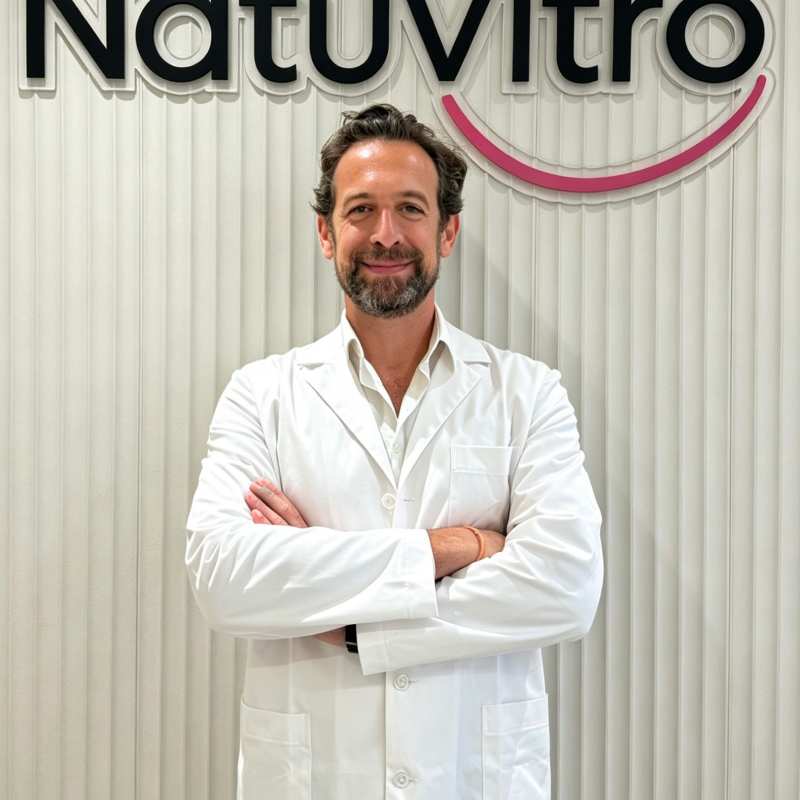
Dr. Frédéric Lamazou
Specialist in Assisted Reproduction
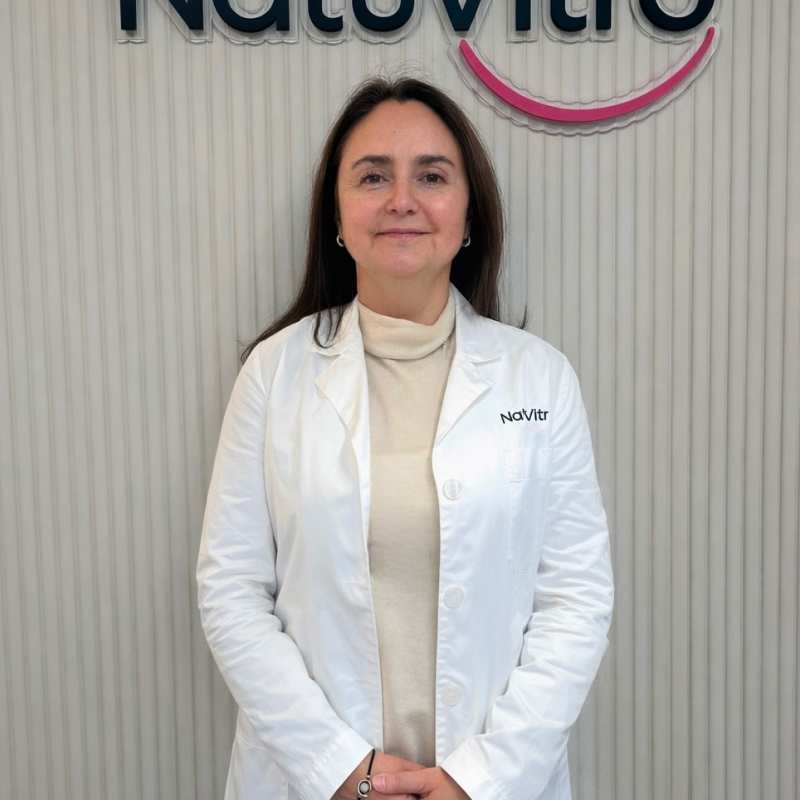
Dr. Karinna Lattes
Chief Scientific Officer

Dr. Elena Prada
Specialist in Assisted Reproduction
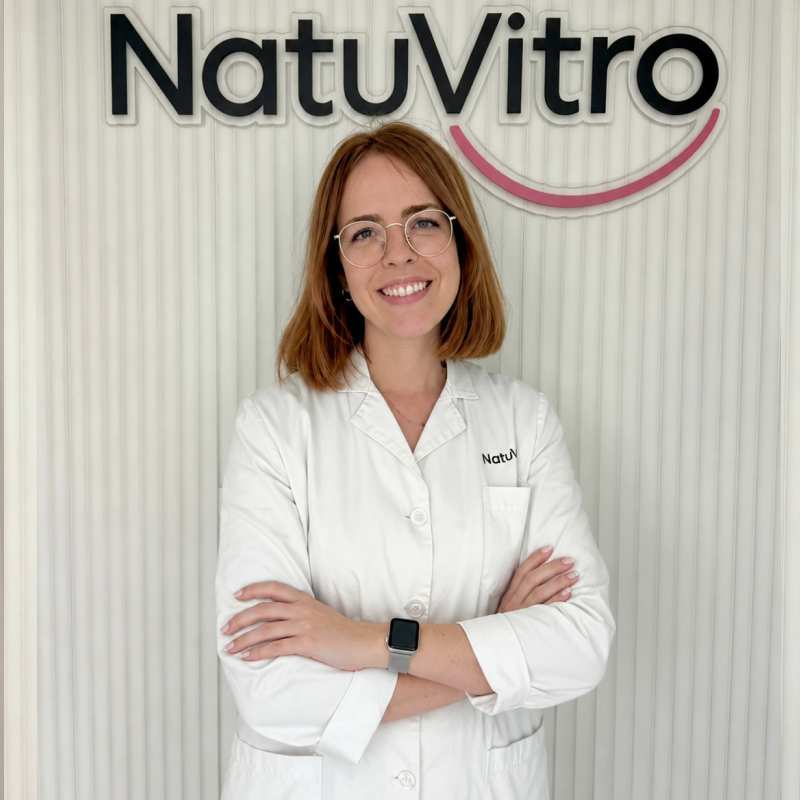
Dr. Maria Jesús Puy
Specialist in Assisted Reproduction
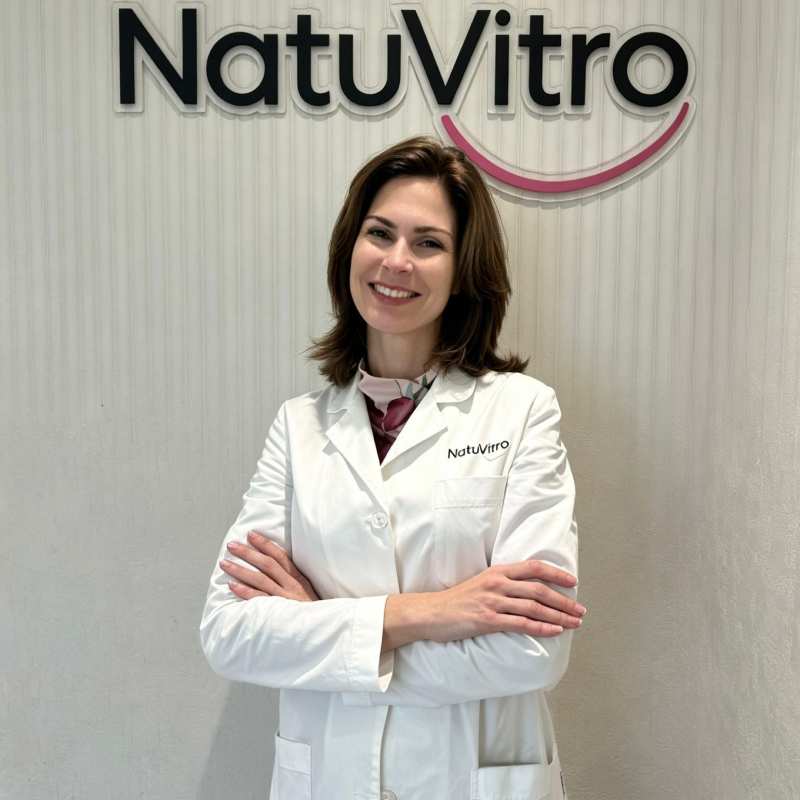
Dr. Patricia Zabala Franco
Specialist in Assisted Reproduction
Have questions?
Request your free consultation today!
Our experts are ready to examine your case history, clarify your choices, and address every question you have.
Don't wait to make informed decisions – your personalized guidance awaits!
The field is filled in incorrectly
+34
- Spain (España)+34
- France (La France)+33
- Italy (Italia)+39
- United Kingdom+44
- United States+1
- Belgium (België)+32
- Switzerland (Schweiz/Suisse)+41
- Germany (Deutschland)+49
- Netherlands (Nederland)+31
- Afghanistan (افغانستان)+93
- Albania (Shqipëri)+355
- Algeria (الجزائر)+213
- American Samoa+1
- Andorra+376
- Angola+244
- Anguilla+1
- Antigua and Barbuda+1
- Argentina+54
- Armenia (Հայաստան)+374
- Aruba+297
- Ascension Island+247
- Australia+61
- Austria (Österreich)+43
- Azerbaijan (Azərbaycan)+994
- Bahamas+1
- Bahrain (البحرين)+973
- Bangladesh (বাংলাদেশ)+880
- Barbados+1
- Belarus (Беларусь)+375
- Belize+501
- Benin (Bénin)+229
- Bermuda+1
- Bhutan (འབྲུག)+975
- Bolivia+591
- Bosnia and Herzegovina (Босна и Херцеговина)+387
- Botswana+267
- Brazil (Brasil)+55
- British Indian Ocean Territory+246
- British Virgin Islands+1
- Brunei+673
- Bulgaria (България)+359
- Burkina Faso+226
- Burundi (Uburundi)+257
- Cambodia (កម្ពុជា)+855
- Cameroon (Cameroun)+237
- Canada+1
- Cape Verde (Kabu Verdi)+238
- Caribbean Netherlands+599
- Cayman Islands+1
- Central African Republic (République centrafricaine)+236
- Chad (Tchad)+235
- Chile+56
- China (中国)+86
- Christmas Island+61
- Cocos (Keeling) Islands+61
- Colombia+57
- Comoros (جزر القمر)+269
- Congo (DRC) (Jamhuri ya Kidemokrasia ya Kongo)+243
- Congo (Republic) (Congo-Brazzaville)+242
- Cook Islands+682
- Costa Rica+506
- Côte d’Ivoire+225
- Croatia (Hrvatska)+385
- Cuba+53
- Curaçao+599
- Cyprus (Κύπρος)+357
- Czech Republic (Česká republika)+420
- Denmark (Danmark)+45
- Djibouti+253
- Dominica+1
- Dominican Republic (República Dominicana)+1
- Ecuador+593
- Egypt (مصر)+20
- El Salvador+503
- Equatorial Guinea (Guinea Ecuatorial)+240
- Eritrea+291
- Estonia (Eesti)+372
- Eswatini+268
- Ethiopia+251
- Falkland Islands (Islas Malvinas)+500
- Faroe Islands (Føroyar)+298
- Fiji+679
- Finland (Suomi)+358
- French Guiana (Guyane française)+594
- French Polynesia (Polynésie française)+689
- Gabon+241
- Gambia+220
- Georgia (საქართველო)+995
- Ghana (Gaana)+233
- Gibraltar+350
- Greece (Ελλάδα)+30
- Greenland (Kalaallit Nunaat)+299
- Grenada+1
- Guadeloupe+590
- Guam+1
- Guatemala+502
- Guernsey+44
- Guinea (Guinée)+224
- Guinea-Bissau (Guiné Bissau)+245
- Guyana+592
- Haiti+509
- Honduras+504
- Hong Kong (香港)+852
- Hungary (Magyarország)+36
- Iceland (Ísland)+354
- India (भारत)+91
- Indonesia+62
- Iran (ایران)+98
- Iraq (العراق)+964
- Ireland+353
- Isle of Man+44
- Israel (ישראל)+972
- Italy (Italia)+39
- Jamaica+1
- Japan (日本)+81
- Jersey+44
- Jordan (الأردن)+962
- Kazakhstan (Казахстан)+7
- Kenya+254
- Kiribati+686
- Kosovo+383
- Kuwait (الكويت)+965
- Kyrgyzstan (Кыргызстан)+996
- Laos (ລາວ)+856
- Latvia (Latvija)+371
- Lebanon (لبنان)+961
- Lesotho+266
- Liberia+231
- Libya (ليبيا)+218
- Liechtenstein+423
- Lithuania (Lietuva)+370
- Luxembourg+352
- Macau (澳門)+853
- North Macedonia (Македонија)+389
- Madagascar (Madagasikara)+261
- Malawi+265
- Malaysia+60
- Maldives+960
- Mali+223
- Malta+356
- Marshall Islands+692
- Martinique+596
- Mauritania (موريتانيا)+222
- Mauritius (Moris)+230
- Mayotte+262
- Mexico (México)+52
- Micronesia+691
- Moldova (Republica Moldova)+373
- Monaco+377
- Mongolia (Монгол)+976
- Montenegro (Crna Gora)+382
- Montserrat+1
- Morocco (المغرب)+212
- Mozambique (Moçambique)+258
- Myanmar (Burma) (မြန်မာ)+95
- Namibia (Namibië)+264
- Nauru+674
- Nepal (नेपाल)+977
- New Caledonia (Nouvelle-Calédonie)+687
- New Zealand+64
- Nicaragua+505
- Niger (Nijar)+227
- Nigeria+234
- Niue+683
- Norfolk Island+672
- North Korea (조선 민주주의 인민 공화국)+850
- Northern Mariana Islands+1
- Norway (Norge)+47
- Oman (عُمان)+968
- Pakistan (پاکستان)+92
- Palau+680
- Palestine (فلسطين)+970
- Panama (Panamá)+507
- Papua New Guinea+675
- Paraguay+595
- Peru (Perú)+51
- Philippines+63
- Poland (Polska)+48
- Portugal+351
- Puerto Rico+1
- Qatar (قطر)+974
- Réunion (La Réunion)+262
- Romania (România)+40
- Russia (Россия)+7
- Rwanda+250
- Saint Barthélemy+590
- Saint Helena+290
- Saint Kitts and Nevis+1
- Saint Lucia+1
- Saint Martin (Saint-Martin (partie française))+590
- Saint Pierre and Miquelon (Saint-Pierre-et-Miquelon)+508
- Saint Vincent and the Grenadines+1
- Samoa+685
- San Marino+378
- São Tomé and Príncipe (São Tomé e Príncipe)+239
- Saudi Arabia (المملكة العربية السعودية)+966
- Senegal (Sénégal)+221
- Serbia (Србија)+381
- Seychelles+248
- Sierra Leone+232
- Singapore+65
- Sint Maarten+1
- Slovakia (Slovensko)+421
- Slovenia (Slovenija)+386
- Solomon Islands+677
- Somalia (Soomaaliya)+252
- South Africa+27
- South Korea (대한민국)+82
- South Sudan (جنوب السودان)+211
- Spain (España)+34
- Sri Lanka (ශ්රී ලංකාව)+94
- Sudan (السودان)+249
- Suriname+597
- Svalbard and Jan Mayen+47
- Sweden (Sverige)+46
- Syria (سوريا)+963
- Taiwan (台灣)+886
- Tajikistan+992
- Tanzania+255
- Thailand (ไทย)+66
- Timor-Leste+670
- Togo+228
- Tokelau+690
- Tonga+676
- Trinidad and Tobago+1
- Tunisia (تونس)+216
- Turkey (Türkiye)+90
- Turkmenistan+993
- Turks and Caicos Islands+1
- Tuvalu+688
- U.S. Virgin Islands+1
- Uganda+256
- Ukraine (Україна)+380
- United Arab Emirates (الإمارات العربية المتحدة)+971
- Uruguay+598
- Uzbekistan (Oʻzbekiston)+998
- Vanuatu+678
- Vatican City (Città del Vaticano)+39
- Venezuela+58
- Vietnam (Việt Nam)+84
- Wallis and Futuna (Wallis-et-Futuna)+681
- Western Sahara (الصحراء الغربية)+212
- Yemen (اليمن)+967
- Zambia+260
- Zimbabwe+263
- Åland Islands+358
The field is filled in incorrectly
Visit our clinic
We are located in the heart of Barcelona.
Location
Call us now
Leave a message