 Assisted Reproduction Center
 Assisted Reproduction Center
The story of Philippe and Sophie is a complex journey that spans five years, marked by difficult trials, moments of despair and, ultimately, the greatest triumph of life (we have changed the names to preserve their anonymity). This couple from Montpellier (France) faced one of the most severe and physically irreversible forms of female infertility. Their experience is a clear proof that modern cutting-edge medicine is capable of overcoming natural barriers and offering the joy of parenthood, even when all hope seems almost lost.
Five years of struggle and a difficult diagnosis
Philippe was 29 years old and Sophie 32 when they became aware that their long-held dream of having a child would not come true naturally. The initial excitement, after a year of unsuccessful attempts, was replaced by anxiety, leading them to a fertility specialist's clinic. During a comprehensive examination, a severe diagnosis was made: bilateral hydrosalpinx.
Hydrosalpinx is not merely a mechanical blockage of the fallopian tubes. It is a pathological condition in which inflammatory exudate (serous fluid) accumulates within the lumen of the tubes. The problem is twofold: on the one hand, the tubes cease to function as "transport channels" for the ovum and sperm. On the other hand, the accumulated fluid possesses embryotoxic properties. It creates an aggressive, even toxic microenvironment in the uterine cavity, making the implantation of a healthy embryo practically impossible.
Sophie underwent a long conservative treatment in the hope of preserving her organs, but it did not yield results. The situation was at an impasse and required radical surgical intervention. Ultimately, Sophie underwent two consecutive laparoscopic surgeries that resulted in the removal of both fallopian tubes. For the young woman, it was a terrible psychological shock: from that moment on, natural conception became physically impossible forever. In vitro fertilization (IVF) remained the only way to achieve her dream.
A bumpy path: early attempts and the bitterness of failures
The initial stages of treatment took place at a reproductive medicine clinic in their hometown, Montpellier. The doctors followed standard protocols, which included:
- Hysteroscopy to examine the uterine cavity in detail and exclude any associated pathology.
- Hormonal ovarian stimulation aimed at maturing multiple follicles.
- Transvaginal ovarian puncture to collect oocytes.
The very first IVF attempt seemed to have achieved the long-awaited success: the pregnancy test showed the two expected bands. However, the joy was short-lived: the hCG level, which should have increased quickly, began to decrease. The pregnancy ended at a very early stage (called a biochemical pregnancy).
Relying on each other, the spouses decided to persevere. Subsequent embryo transfers finally led to a clinical pregnancy. But fate had another challenge in store: at the 10th week, during a routine ultrasound, the doctors detected the absence of fetal heartbeat. This miscarriage was a deep trauma for the couple, causing a feeling of helplessness. All remaining transfer attempts at the local clinic also ended in failures, without providing answers to the question “why does this happen?”
A new step: the expert program at Natuvitro Clinic
Aware that standard approaches yielded no results in their complex case, Philippe and Sophie began seeking specialists with more extensive experience in dealing with complex infertility cases. They sought the advice of Dr. Leticia Flores Roldan, a renowned reproductive medicine specialist. The personalized approach of Dr. Roldan and the cutting-edge technological equipment at Natuvitro Clinic represented a new chance for the couple that previous statistics had denied them.
Innovative protocol and genetic precision
Natuvitro specialists conducted a meticulous review of Sophie’s entire medical history. A personalized stimulation protocol was developed, focusing not on quantity but on the best possible quality of oocytes. The result exceeded expectations: the physicians managed to collect 29 oocytes, forming a solid “reserve” for the embryologists’ work ahead.
The key strategic decision of this cycle was the use of genetic screening technologies:
- PGT (Preimplantation Genetic Testing) - analysis to detect anomalies before transfer.
- NGS (Next Generation Sequencing) – the most advanced method allowing evaluation of all 23 pairs of chromosomes with maximum precision.
It was precisely these methods that allowed the exclusion of embryos with genetic abnormalities, which might appear healthy to the naked eye but were destined to die. Among all the embryos obtained, only one was selected: chromosomally healthy and with the best survival potential.
Preparation for transfer also required patience. When Sophie contracted COVID-19, the medical team decided not to take any risk and postponed the procedure. They waited for her immune system to fully stabilize and her blood parameters to return to normal, eliminating any risk of inflammation. Once Sophie’s body was completely ready, a gentle transfer was performed. The pregnancy then took hold and proceeded this time without complications or threats.
The long-awaited miracle: the birth of Emilie
This exhausting five-year marathon culminated in the birth of a healthy baby girl. The girl, named Emilie, was born after a scheduled cesarean. She weighed no less than 4,490 grams, a true symbol of vitality and victory over adversity.
For Philippe and Sophie, their first cry was a moment of healing from all their past losses. Their story is not just a personal success case; it is a powerful hope manifesto for thousands of couples. It proves that the absence of fallopian tubes, heavy diagnoses, and a series of failures are not definitive verdicts but complex challenges that can be overcome through competent medical intervention and advances in modern genetics.
Frequently Asked Questions (FAQ)
1. Is it possible to conceive via IVF if both fallopian tubes have been removed?
Absolutely. In the context of IVF, fallopian tubes are not involved at all: oocytes are collected directly from the ovaries, fertilized in the laboratory, and then the developing embryo is implanted directly into the uterine cavity. Moreover, in cases of hydrosalpinx, their removal is recommended since it significantly increases the chances of successful implantation.
2. Why is hydrosalpinx considered the “silent enemy” of implantation?
The problem lies in the fact that inflammatory fluid from the tubes “flows” constantly into the uterine cavity. It contains tissue degradation products and toxins that act as a contraceptive: either killing the embryo or making the endometrium unsuitable for its attachment. Removing the affected tubes eliminates this negative factor once and for all.
3. What is the advantage of NGS compared to a traditional embryonic ultrasound?
In a traditional microscope, the embryologist only sees the external shape and the rate of cell division. However, even an embryo that appears “beautiful” can have a chromosome excess or deficiency. NGS (Next Generation Sequencing) examines the genetic code in depth, allowing only embryos without chromosomal abnormalities to be transferred. This greatly reduces the risk of pregnancy loss and miscarriage.
4. Why is it important to postpone transfer after contracting viral infections such as COVID-19?
Any infection causes a systemic inflammatory response in the body and can affect blood clotting and endometrial receptivity (sensitivity). For the success of IVF, it is essential to have an “hormonal and immune balance.” Waiting for full recovery minimizes the risks of accidental failure.
5. How to avoid losing hope after several unsuccessful IVF attempts?
It is important to understand that each failure is not only a loss but also valuable diagnostic information. Modern medicine offers tools (such as NGS, detailed endometrial examination, stimulation protocol modifications) to identify the cause of failures and remedy them. The example of Philippe and Sophie shows that a strategic change and more precise diagnosis often become the decisive factors for success.
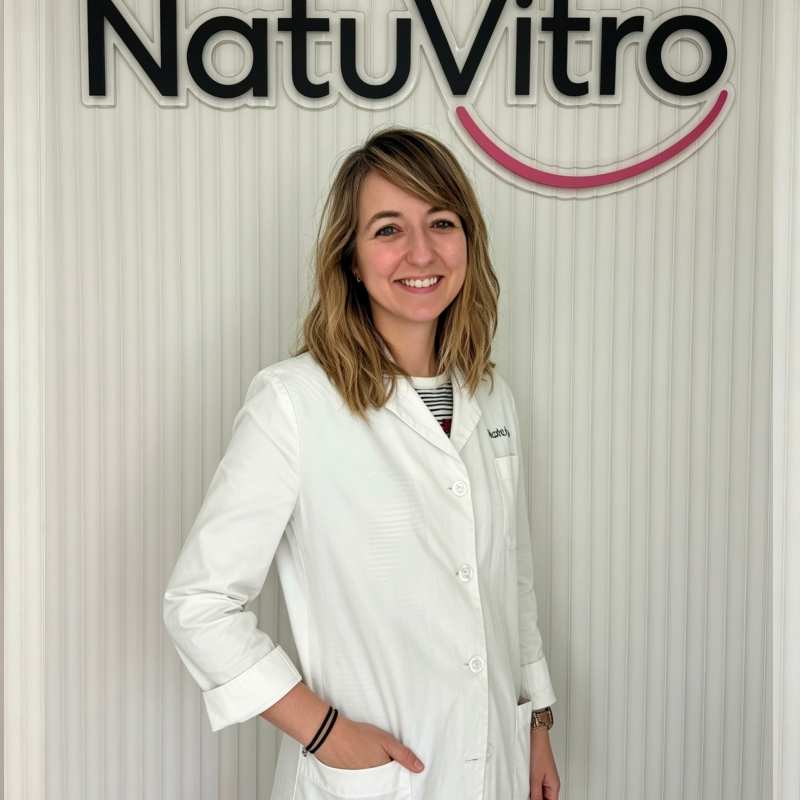
Dr. Cristina Pérez
Specialist in Assisted Reproduction
Medical Director
Medical Director
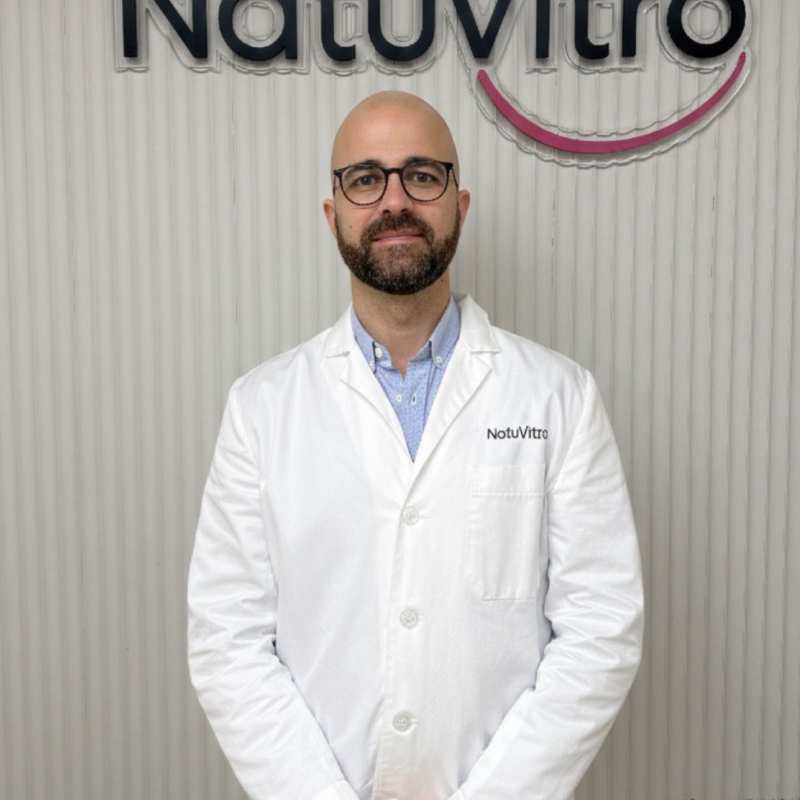
Dr. Jean-Paul Bouiller
Specialist in Assisted Reproduction
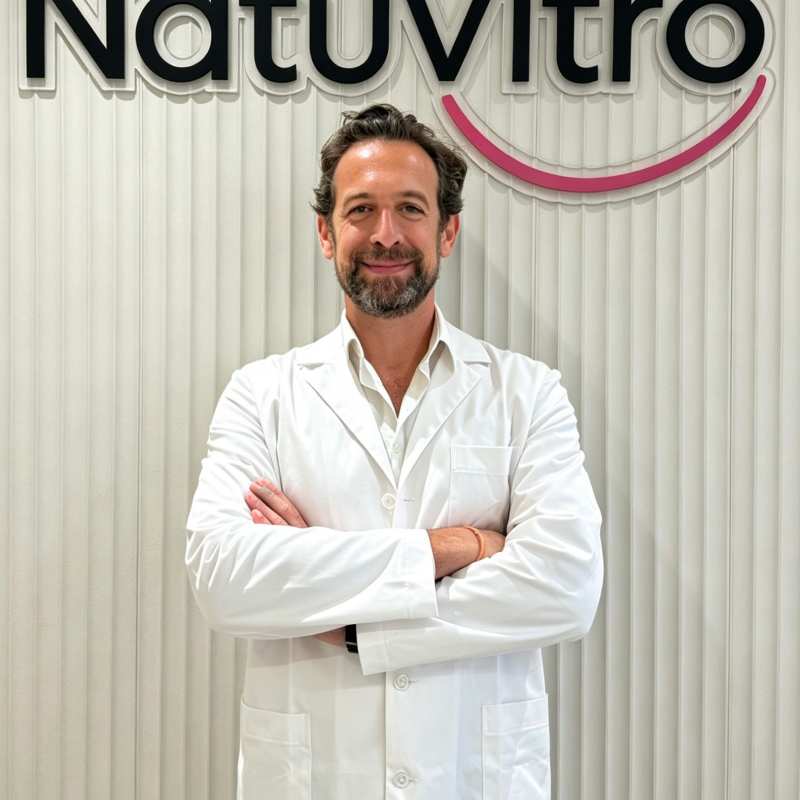
Dr. Frédéric Lamazou
Specialist in Assisted Reproduction
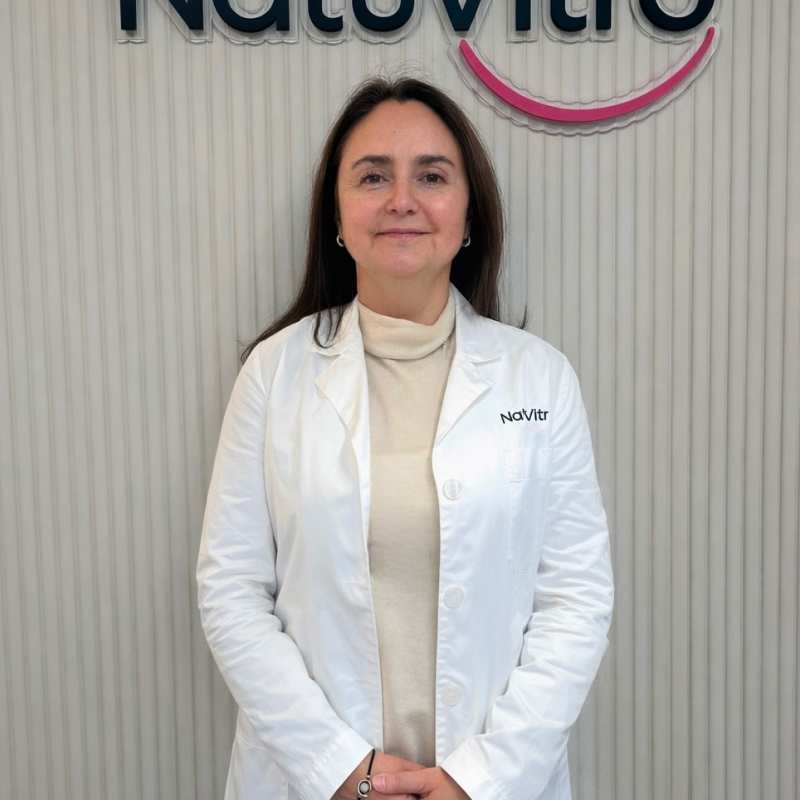
Dr. Karinna Lattes
Chief Scientific Officer
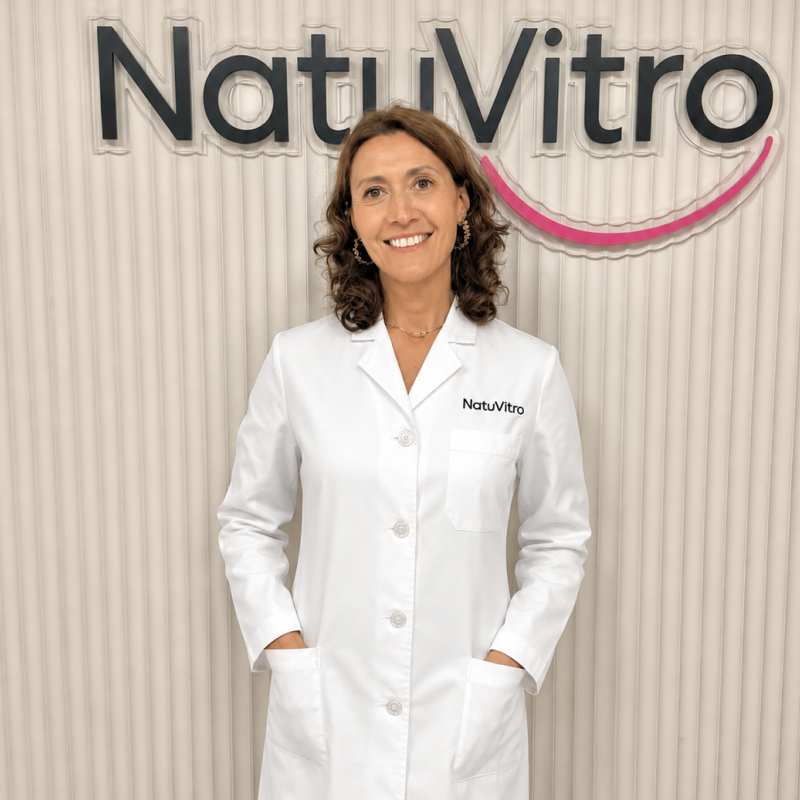
Dr. Elena Prada
Specialist in Assisted Reproduction
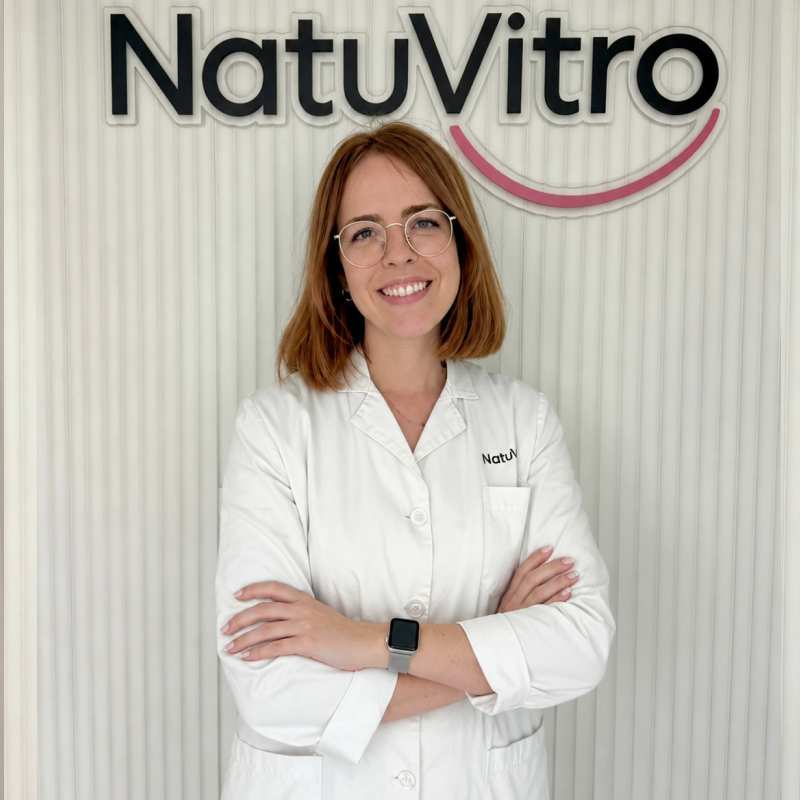
Dr. Maria Jesús Puy
Specialist in Assisted Reproduction
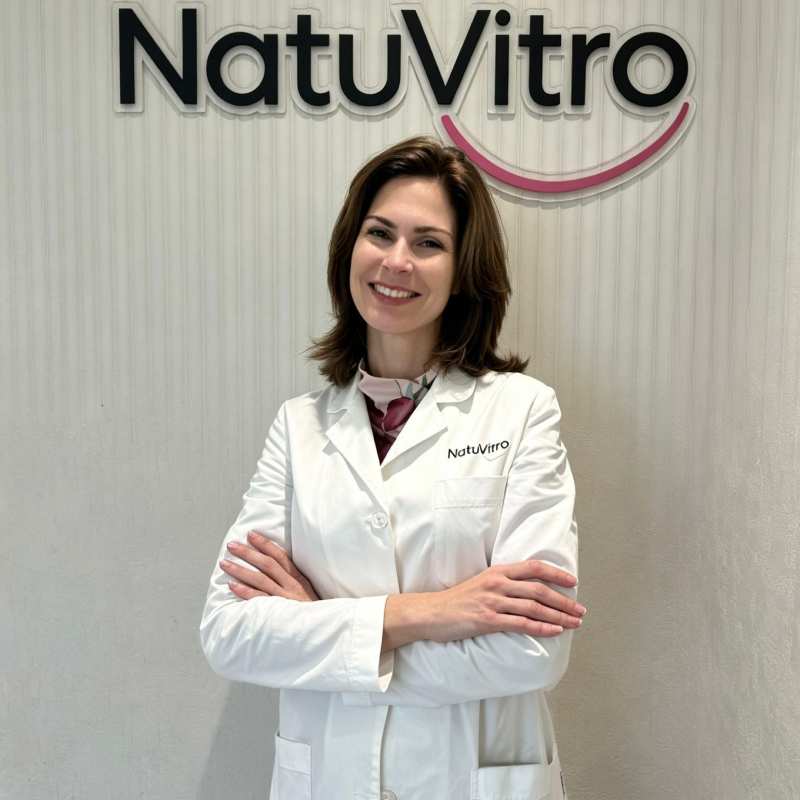
Dr. Patricia Zabala Franco
Specialist in Assisted Reproduction
Have questions?
Request your free consultation today!
Our experts are ready to examine your case history, clarify your choices, and address every question you have.
Don't wait to make informed decisions – your personalized guidance awaits!
The field is filled in incorrectly
+34
- Spain (España)+34
- France (La France)+33
- Italy (Italia)+39
- United Kingdom+44
- United States+1
- Belgium (België)+32
- Switzerland (Schweiz/Suisse)+41
- Germany (Deutschland)+49
- Netherlands (Nederland)+31
- Afghanistan (افغانستان)+93
- Albania (Shqipëri)+355
- Algeria (الجزائر)+213
- American Samoa+1
- Andorra+376
- Angola+244
- Anguilla+1
- Antigua and Barbuda+1
- Argentina+54
- Armenia (Հայաստան)+374
- Aruba+297
- Ascension Island+247
- Australia+61
- Austria (Österreich)+43
- Azerbaijan (Azərbaycan)+994
- Bahamas+1
- Bahrain (البحرين)+973
- Bangladesh (বাংলাদেশ)+880
- Barbados+1
- Belarus (Беларусь)+375
- Belize+501
- Benin (Bénin)+229
- Bermuda+1
- Bhutan (འབྲུག)+975
- Bolivia+591
- Bosnia and Herzegovina (Босна и Херцеговина)+387
- Botswana+267
- Brazil (Brasil)+55
- British Indian Ocean Territory+246
- British Virgin Islands+1
- Brunei+673
- Bulgaria (България)+359
- Burkina Faso+226
- Burundi (Uburundi)+257
- Cambodia (កម្ពុជា)+855
- Cameroon (Cameroun)+237
- Canada+1
- Cape Verde (Kabu Verdi)+238
- Caribbean Netherlands+599
- Cayman Islands+1
- Central African Republic (République centrafricaine)+236
- Chad (Tchad)+235
- Chile+56
- China (中国)+86
- Christmas Island+61
- Cocos (Keeling) Islands+61
- Colombia+57
- Comoros (جزر القمر)+269
- Congo (DRC) (Jamhuri ya Kidemokrasia ya Kongo)+243
- Congo (Republic) (Congo-Brazzaville)+242
- Cook Islands+682
- Costa Rica+506
- Côte d’Ivoire+225
- Croatia (Hrvatska)+385
- Cuba+53
- Curaçao+599
- Cyprus (Κύπρος)+357
- Czech Republic (Česká republika)+420
- Denmark (Danmark)+45
- Djibouti+253
- Dominica+1
- Dominican Republic (República Dominicana)+1
- Ecuador+593
- Egypt (مصر)+20
- El Salvador+503
- Equatorial Guinea (Guinea Ecuatorial)+240
- Eritrea+291
- Estonia (Eesti)+372
- Eswatini+268
- Ethiopia+251
- Falkland Islands (Islas Malvinas)+500
- Faroe Islands (Føroyar)+298
- Fiji+679
- Finland (Suomi)+358
- French Guiana (Guyane française)+594
- French Polynesia (Polynésie française)+689
- Gabon+241
- Gambia+220
- Georgia (საქართველო)+995
- Ghana (Gaana)+233
- Gibraltar+350
- Greece (Ελλάδα)+30
- Greenland (Kalaallit Nunaat)+299
- Grenada+1
- Guadeloupe+590
- Guam+1
- Guatemala+502
- Guernsey+44
- Guinea (Guinée)+224
- Guinea-Bissau (Guiné Bissau)+245
- Guyana+592
- Haiti+509
- Honduras+504
- Hong Kong (香港)+852
- Hungary (Magyarország)+36
- Iceland (Ísland)+354
- India (भारत)+91
- Indonesia+62
- Iran (ایران)+98
- Iraq (العراق)+964
- Ireland+353
- Isle of Man+44
- Israel (ישראל)+972
- Italy (Italia)+39
- Jamaica+1
- Japan (日本)+81
- Jersey+44
- Jordan (الأردن)+962
- Kazakhstan (Казахстан)+7
- Kenya+254
- Kiribati+686
- Kosovo+383
- Kuwait (الكويت)+965
- Kyrgyzstan (Кыргызстан)+996
- Laos (ລາວ)+856
- Latvia (Latvija)+371
- Lebanon (لبنان)+961
- Lesotho+266
- Liberia+231
- Libya (ليبيا)+218
- Liechtenstein+423
- Lithuania (Lietuva)+370
- Luxembourg+352
- Macau (澳門)+853
- North Macedonia (Македонија)+389
- Madagascar (Madagasikara)+261
- Malawi+265
- Malaysia+60
- Maldives+960
- Mali+223
- Malta+356
- Marshall Islands+692
- Martinique+596
- Mauritania (موريتانيا)+222
- Mauritius (Moris)+230
- Mayotte+262
- Mexico (México)+52
- Micronesia+691
- Moldova (Republica Moldova)+373
- Monaco+377
- Mongolia (Монгол)+976
- Montenegro (Crna Gora)+382
- Montserrat+1
- Morocco (المغرب)+212
- Mozambique (Moçambique)+258
- Myanmar (Burma) (မြန်မာ)+95
- Namibia (Namibië)+264
- Nauru+674
- Nepal (नेपाल)+977
- New Caledonia (Nouvelle-Calédonie)+687
- New Zealand+64
- Nicaragua+505
- Niger (Nijar)+227
- Nigeria+234
- Niue+683
- Norfolk Island+672
- North Korea (조선 민주주의 인민 공화국)+850
- Northern Mariana Islands+1
- Norway (Norge)+47
- Oman (عُمان)+968
- Pakistan (پاکستان)+92
- Palau+680
- Palestine (فلسطين)+970
- Panama (Panamá)+507
- Papua New Guinea+675
- Paraguay+595
- Peru (Perú)+51
- Philippines+63
- Poland (Polska)+48
- Portugal+351
- Puerto Rico+1
- Qatar (قطر)+974
- Réunion (La Réunion)+262
- Romania (România)+40
- Russia (Россия)+7
- Rwanda+250
- Saint Barthélemy+590
- Saint Helena+290
- Saint Kitts and Nevis+1
- Saint Lucia+1
- Saint Martin (Saint-Martin (partie française))+590
- Saint Pierre and Miquelon (Saint-Pierre-et-Miquelon)+508
- Saint Vincent and the Grenadines+1
- Samoa+685
- San Marino+378
- São Tomé and Príncipe (São Tomé e Príncipe)+239
- Saudi Arabia (المملكة العربية السعودية)+966
- Senegal (Sénégal)+221
- Serbia (Србија)+381
- Seychelles+248
- Sierra Leone+232
- Singapore+65
- Sint Maarten+1
- Slovakia (Slovensko)+421
- Slovenia (Slovenija)+386
- Solomon Islands+677
- Somalia (Soomaaliya)+252
- South Africa+27
- South Korea (대한민국)+82
- South Sudan (جنوب السودان)+211
- Spain (España)+34
- Sri Lanka (ශ්රී ලංකාව)+94
- Sudan (السودان)+249
- Suriname+597
- Svalbard and Jan Mayen+47
- Sweden (Sverige)+46
- Syria (سوريا)+963
- Taiwan (台灣)+886
- Tajikistan+992
- Tanzania+255
- Thailand (ไทย)+66
- Timor-Leste+670
- Togo+228
- Tokelau+690
- Tonga+676
- Trinidad and Tobago+1
- Tunisia (تونس)+216
- Turkey (Türkiye)+90
- Turkmenistan+993
- Turks and Caicos Islands+1
- Tuvalu+688
- U.S. Virgin Islands+1
- Uganda+256
- Ukraine (Україна)+380
- United Arab Emirates (الإمارات العربية المتحدة)+971
- Uruguay+598
- Uzbekistan (Oʻzbekiston)+998
- Vanuatu+678
- Vatican City (Città del Vaticano)+39
- Venezuela+58
- Vietnam (Việt Nam)+84
- Wallis and Futuna (Wallis-et-Futuna)+681
- Western Sahara (الصحراء الغربية)+212
- Yemen (اليمن)+967
- Zambia+260
- Zimbabwe+263
- Åland Islands+358
The field is filled in incorrectly
Visit our clinic
We are located in the heart of Barcelona.
Location
Call us now
Leave a message