 Assisted Reproduction Center
 Assisted Reproduction Center
The question of who the baby will resemble and from whom it will inherit its health concerns all parents. From the perspective of classical biology, the distribution of roles appears perfectly balanced: the child receives exactly 50% of the genetic material from each parent, that is 23 chromosomes each, which fuse to form the unique code of a new life. However, modern science demonstrates that the “contribution” of the parents is not limited to a simple transfer of genes. Each parent's role has unique characteristics that determine not only physical appearance but also the foundations of health for the decades to come.
The role of the mother: source of life, metabolic foundation, and energy
The maternal contribution to the child's development is fundamental and holistic. In addition to transmitting half of the nuclear genes, the mother acts as an “architect” and “environment” in which these genes will express themselves to build the most complex systems of the organism.
What exactly the child inherits from its mother:
- Intrauterine environment and epigenetic programming: During the 40 weeks of pregnancy, the maternal organism is the child's unique universe. The mother's health, nutritional status (presence of vitamins and minerals), stress level, and even sleep quality directly influence which of the child's genes will be expressed and which will be under-expressed. This is called epigenetics. It is precisely during this period that the stability of the nervous system is forged and the future strength of the immune response is established.
- Metabolism and “metabolic memory”: Predisposition to certain types of metabolism, specific pancreatic functions, and tendencies toward hormonal reactions are often inherited through the maternal line. The mother essentially determines the “speed” of the child's metabolism, which can influence their future predisposition to obesity or, conversely, to energy levels.
- Cellular energy (mitochondrial DNA): One of the most astonishing facts in biology. Mitochondria are tiny “power plants” inside our cells responsible for producing energy. They have their own DNA, which is transmitted to the child exclusively by the mother via the egg. Thus, it is precisely from her that the baby inherits its overall vitality, endurance, and cellular energy potential.
- Tissue quality and physical traits: Skin texture, hair structure and density, along with many features of facial soft tissues, are largely determined by the maternal genotype.
The role of the father: structure, sex, and genetic variability
The father contributes to the child's development with structural precision and determines many physical parameters that make the baby a recognizable descendant of the lineage.
What the child receives from its father:
- The biological sex of the child: This is the exclusive responsibility of the man. The female egg always carries only an X chromosome. If the sperm that fertilizes it carries an X chromosome, a girl (XX) will be born; if it carries a Y chromosome, a boy (XY) will be born. Thus, it is the father who “chooses” the sex of the future heir.
- Body architecture and physical parameters: Paternal genes often dominate in the formation of the skeleton, growth, and athletic build. Traits such as jaw shape, teeth arrangement, and even certain facial expression peculiarities are often “reflections” of the father's features.
- Genetic imprinting: Some genes in the child's organism function differently depending on their origin. Paternal genes are often responsible for active cell division and placental growth, providing the embryo with resources necessary for development.
- Quality and integrity of genetic material: The health status of the father at the time of conception is crucial. Unlike women, whose egg reserve is established even before birth, men's sperm are continually renewed. The father's lifestyle, presence of chronic stress, environmental factors, and unhealthy habits directly influence the level of DNA fragmentation in sperm. The higher the quality of the father's genetic material, the lower the risks of genetic abnormalities in the early stages of fetal development.
Differences in heredity depending on modes of conception
Advances in reproductive technologies have allowed many couples to become parents, but each method presents its own biological nuances in the distribution of hereditary factors.
1. Natural conception
This is the classic process, where natural selection favors the fastest and healthiest sperm. The child receives the usual 50% of nuclear DNA from each parent and 100% of mitochondrial DNA from the mother. The process occurs entirely within the natural environment of the mother's body, ensuring an epigenetic start as harmonious as possible.
2. In vitro fertilization (IVF) with their own cells
Biologically and genetically, such a child is completely identical to children conceived naturally (50/50).
- In-depth understanding: The key difference here is the possibility of pre-selection. Doctors can select the best cells and perform PGT (preimplantation genetic testing). This allows excluding serious chromosomal anomalies even before pregnancy begins, giving parents confidence that their future baby will be healthy.
3. FIV with egg donation
In this scenario, the distribution of roles becomes more complex and interesting:
- Genetic foundation: The child inherits 50% of nuclear DNA from the father and 50% from the donor. Mitochondrial DNA also belongs to the donor.
- The phenomenon of “maternal programming”: Although the genetic code (the blueprint) comes from the donor, the “house construction” is entirely carried out within the body of the surrogate mother. Molecules (for example, microRNAs) cross the placental barrier and can modify the activity of the donor’s genes. The surrogate mother “literally” adapts her genetics to her biological environment. This is precisely why children are often born resembling the mother who carried them—thanks to the metabolic community, facial expressions, and intrauterine influence.
4. IVF with double donation (egg from a donor + sperm from a donor)
In this case, the child has no direct genetic link (via nuclear DNA) with either parent.
- Biological connection: The mother remains a full biological mother, as she carries the child. Her blood, hormones, and emotional state shape the baby's physiology. She gives life to the child in the most literal sense, ensuring the development of organs and systems from her own resources.
- The role of the family: In this case, the father becomes the guarantor of psychological comfort and security, which are essential for healthy psychological development in the child. The biological “departure” of such a baby results from cutting-edge technologies and the devoted love of a mother who prepared her body for this important mission.
The child's health: the result of conscious preparation
Modern genetics no longer supports a strict separation between “male” and “female” factors. The child's health is a complex synergy where each contribution is important. Genes are only possibilities, and how they manifest depends on the parents' condition at the time of conception and during pregnancy.
It is precisely for this reason that modern medicine considers the couple as a unique system. A joint examination before planning a pregnancy is not a mere formality but a way to ensure both parents are prepared to pass on to their child the best “biological baggage.” It is a conscious contribution to the quality of life of the future individual, which begins well before their first cry.
FAQ: Frequently Asked Questions
1. Is it true that intelligence is mainly transmitted through the maternal line?
Scientific studies show that many genes related to cognitive abilities are located on the X chromosome. Women have two, men only one. This suggests that maternal influence on basic intellectual skills may be more significant. However, it is important to remember that intelligence depends not only on genes but also on brain stimulation, education, and environment created by both parents.
2. How does the father's age influence the child's genetics?
Unlike women, whose pool of cells is limited, men produce sperm continuously. However, with age, micro-mutations and copying errors in DNA can accumulate in male germ cells. This does not mean it is impossible to have a healthy child, but it emphasizes the importance of a healthy lifestyle and regular check-ups for men of all ages.
3. Can a child born via egg donation inherit diseases from the surrogate mother?
No, genetic diseases encoded in the nuclear DNA of the surrogate mother are not transmitted to the child via the donor egg. However, the mother's lifestyle during pregnancy can influence the child's predisposition to certain conditions (e.g., type 2 diabetes or hypertension) through epigenetic mechanisms.
4. To what extent is IVF safe for the child's future health?
Decades of observation of “test-tube children” show they do not differ in any way from their peers in physical and intellectual development. Additionally, thanks to prenatal genetic screening (PGS), children conceived via IVF often have fewer risks of hereditary diseases than those conceived spontaneously.
5. Why is it still important to prepare the mother's organism during IVF with donor cells?
Because it is precisely the maternal organism that “reads” the genetic code of the embryo. If the mother's body has deficiencies (e.g., in folic acid) or hidden inflammations, even the most genetically perfect embryo may face developmental difficulties. A healthy environment is the guarantee of prosperous growth for any seed.
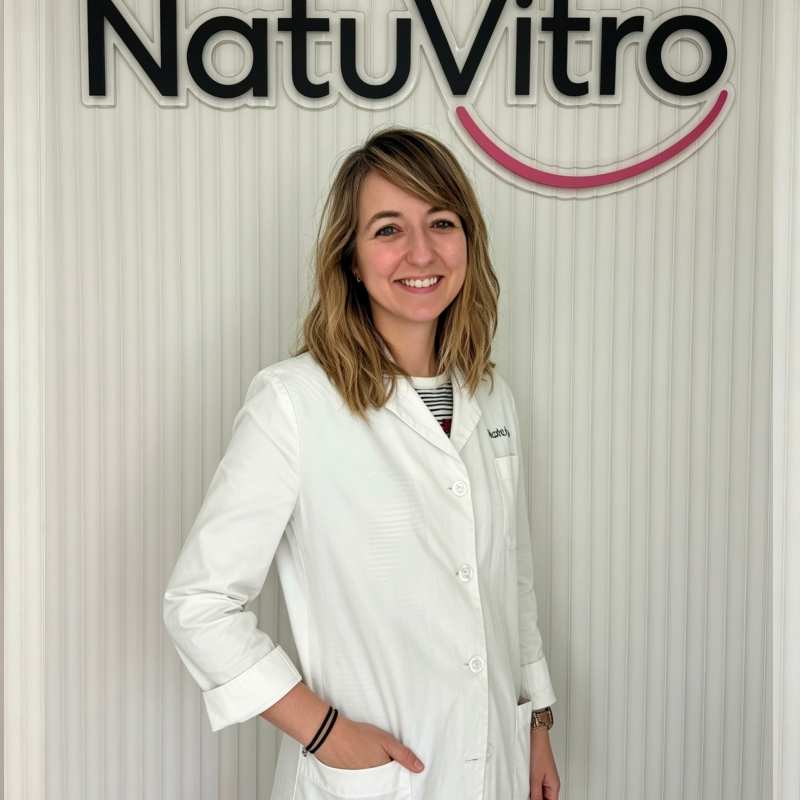
Dr. Cristina Pérez
Specialist in Assisted Reproduction
Medical Director
Medical Director
Dr. Jean-Paul Bouiller
Specialist in Assisted Reproduction
Dr. Frédéric Lamazou
Specialist in Assisted Reproduction
Dr. Karinna Lattes
Chief Scientific Officer
Dr. Elena Prada
Specialist in Assisted Reproduction
Dr. Maria Jesús Puy
Specialist in Assisted Reproduction
Dr. Patricia Zabala Franco
Specialist in Assisted Reproduction
Have questions?
Request your free consultation today!
Our experts are ready to examine your case history, clarify your choices, and address every question you have.
Don't wait to make informed decisions – your personalized guidance awaits!
The field is filled in incorrectly
+34
- Spain (España)+34
- France (La France)+33
- Italy (Italia)+39
- United Kingdom+44
- United States+1
- Belgium (België)+32
- Switzerland (Schweiz/Suisse)+41
- Germany (Deutschland)+49
- Netherlands (Nederland)+31
- Afghanistan (افغانستان)+93
- Albania (Shqipëri)+355
- Algeria (الجزائر)+213
- American Samoa+1
- Andorra+376
- Angola+244
- Anguilla+1
- Antigua and Barbuda+1
- Argentina+54
- Armenia (Հայաստան)+374
- Aruba+297
- Ascension Island+247
- Australia+61
- Austria (Österreich)+43
- Azerbaijan (Azərbaycan)+994
- Bahamas+1
- Bahrain (البحرين)+973
- Bangladesh (বাংলাদেশ)+880
- Barbados+1
- Belarus (Беларусь)+375
- Belize+501
- Benin (Bénin)+229
- Bermuda+1
- Bhutan (འབྲུག)+975
- Bolivia+591
- Bosnia and Herzegovina (Босна и Херцеговина)+387
- Botswana+267
- Brazil (Brasil)+55
- British Indian Ocean Territory+246
- British Virgin Islands+1
- Brunei+673
- Bulgaria (България)+359
- Burkina Faso+226
- Burundi (Uburundi)+257
- Cambodia (កម្ពុជា)+855
- Cameroon (Cameroun)+237
- Canada+1
- Cape Verde (Kabu Verdi)+238
- Caribbean Netherlands+599
- Cayman Islands+1
- Central African Republic (République centrafricaine)+236
- Chad (Tchad)+235
- Chile+56
- China (中国)+86
- Christmas Island+61
- Cocos (Keeling) Islands+61
- Colombia+57
- Comoros (جزر القمر)+269
- Congo (DRC) (Jamhuri ya Kidemokrasia ya Kongo)+243
- Congo (Republic) (Congo-Brazzaville)+242
- Cook Islands+682
- Costa Rica+506
- Côte d’Ivoire+225
- Croatia (Hrvatska)+385
- Cuba+53
- Curaçao+599
- Cyprus (Κύπρος)+357
- Czech Republic (Česká republika)+420
- Denmark (Danmark)+45
- Djibouti+253
- Dominica+1
- Dominican Republic (República Dominicana)+1
- Ecuador+593
- Egypt (مصر)+20
- El Salvador+503
- Equatorial Guinea (Guinea Ecuatorial)+240
- Eritrea+291
- Estonia (Eesti)+372
- Eswatini+268
- Ethiopia+251
- Falkland Islands (Islas Malvinas)+500
- Faroe Islands (Føroyar)+298
- Fiji+679
- Finland (Suomi)+358
- French Guiana (Guyane française)+594
- French Polynesia (Polynésie française)+689
- Gabon+241
- Gambia+220
- Georgia (საქართველო)+995
- Ghana (Gaana)+233
- Gibraltar+350
- Greece (Ελλάδα)+30
- Greenland (Kalaallit Nunaat)+299
- Grenada+1
- Guadeloupe+590
- Guam+1
- Guatemala+502
- Guernsey+44
- Guinea (Guinée)+224
- Guinea-Bissau (Guiné Bissau)+245
- Guyana+592
- Haiti+509
- Honduras+504
- Hong Kong (香港)+852
- Hungary (Magyarország)+36
- Iceland (Ísland)+354
- India (भारत)+91
- Indonesia+62
- Iran (ایران)+98
- Iraq (العراق)+964
- Ireland+353
- Isle of Man+44
- Israel (ישראל)+972
- Italy (Italia)+39
- Jamaica+1
- Japan (日本)+81
- Jersey+44
- Jordan (الأردن)+962
- Kazakhstan (Казахстан)+7
- Kenya+254
- Kiribati+686
- Kosovo+383
- Kuwait (الكويت)+965
- Kyrgyzstan (Кыргызстан)+996
- Laos (ລາວ)+856
- Latvia (Latvija)+371
- Lebanon (لبنان)+961
- Lesotho+266
- Liberia+231
- Libya (ليبيا)+218
- Liechtenstein+423
- Lithuania (Lietuva)+370
- Luxembourg+352
- Macau (澳門)+853
- North Macedonia (Македонија)+389
- Madagascar (Madagasikara)+261
- Malawi+265
- Malaysia+60
- Maldives+960
- Mali+223
- Malta+356
- Marshall Islands+692
- Martinique+596
- Mauritania (موريتانيا)+222
- Mauritius (Moris)+230
- Mayotte+262
- Mexico (México)+52
- Micronesia+691
- Moldova (Republica Moldova)+373
- Monaco+377
- Mongolia (Монгол)+976
- Montenegro (Crna Gora)+382
- Montserrat+1
- Morocco (المغرب)+212
- Mozambique (Moçambique)+258
- Myanmar (Burma) (မြန်မာ)+95
- Namibia (Namibië)+264
- Nauru+674
- Nepal (नेपाल)+977
- New Caledonia (Nouvelle-Calédonie)+687
- New Zealand+64
- Nicaragua+505
- Niger (Nijar)+227
- Nigeria+234
- Niue+683
- Norfolk Island+672
- North Korea (조선 민주주의 인민 공화국)+850
- Northern Mariana Islands+1
- Norway (Norge)+47
- Oman (عُمان)+968
- Pakistan (پاکستان)+92
- Palau+680
- Palestine (فلسطين)+970
- Panama (Panamá)+507
- Papua New Guinea+675
- Paraguay+595
- Peru (Perú)+51
- Philippines+63
- Poland (Polska)+48
- Portugal+351
- Puerto Rico+1
- Qatar (قطر)+974
- Réunion (La Réunion)+262
- Romania (România)+40
- Russia (Россия)+7
- Rwanda+250
- Saint Barthélemy+590
- Saint Helena+290
- Saint Kitts and Nevis+1
- Saint Lucia+1
- Saint Martin (Saint-Martin (partie française))+590
- Saint Pierre and Miquelon (Saint-Pierre-et-Miquelon)+508
- Saint Vincent and the Grenadines+1
- Samoa+685
- San Marino+378
- São Tomé and Príncipe (São Tomé e Príncipe)+239
- Saudi Arabia (المملكة العربية السعودية)+966
- Senegal (Sénégal)+221
- Serbia (Србија)+381
- Seychelles+248
- Sierra Leone+232
- Singapore+65
- Sint Maarten+1
- Slovakia (Slovensko)+421
- Slovenia (Slovenija)+386
- Solomon Islands+677
- Somalia (Soomaaliya)+252
- South Africa+27
- South Korea (대한민국)+82
- South Sudan (جنوب السودان)+211
- Spain (España)+34
- Sri Lanka (ශ්රී ලංකාව)+94
- Sudan (السودان)+249
- Suriname+597
- Svalbard and Jan Mayen+47
- Sweden (Sverige)+46
- Syria (سوريا)+963
- Taiwan (台灣)+886
- Tajikistan+992
- Tanzania+255
- Thailand (ไทย)+66
- Timor-Leste+670
- Togo+228
- Tokelau+690
- Tonga+676
- Trinidad and Tobago+1
- Tunisia (تونس)+216
- Turkey (Türkiye)+90
- Turkmenistan+993
- Turks and Caicos Islands+1
- Tuvalu+688
- U.S. Virgin Islands+1
- Uganda+256
- Ukraine (Україна)+380
- United Arab Emirates (الإمارات العربية المتحدة)+971
- Uruguay+598
- Uzbekistan (Oʻzbekiston)+998
- Vanuatu+678
- Vatican City (Città del Vaticano)+39
- Venezuela+58
- Vietnam (Việt Nam)+84
- Wallis and Futuna (Wallis-et-Futuna)+681
- Western Sahara (الصحراء الغربية)+212
- Yemen (اليمن)+967
- Zambia+260
- Zimbabwe+263
- Åland Islands+358
The field is filled in incorrectly
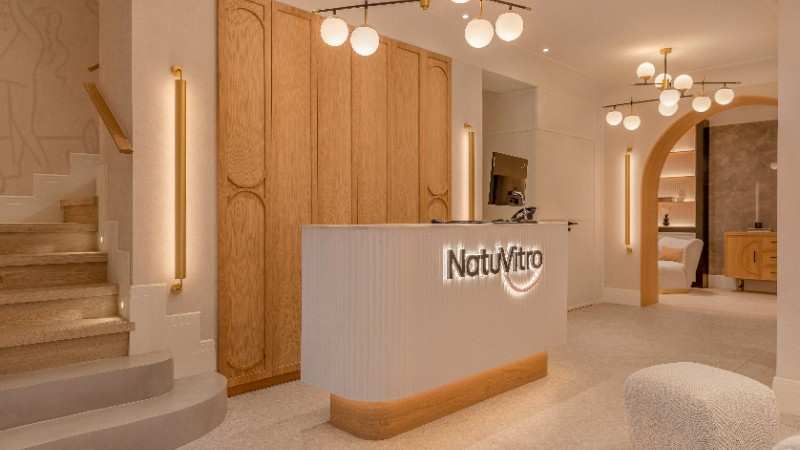
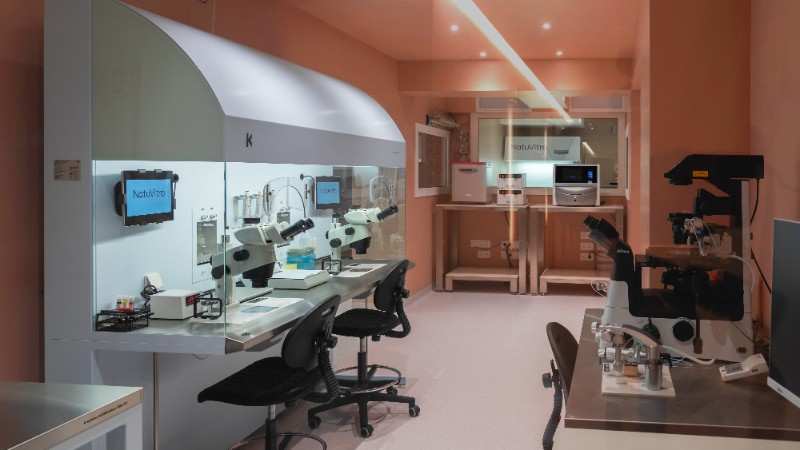
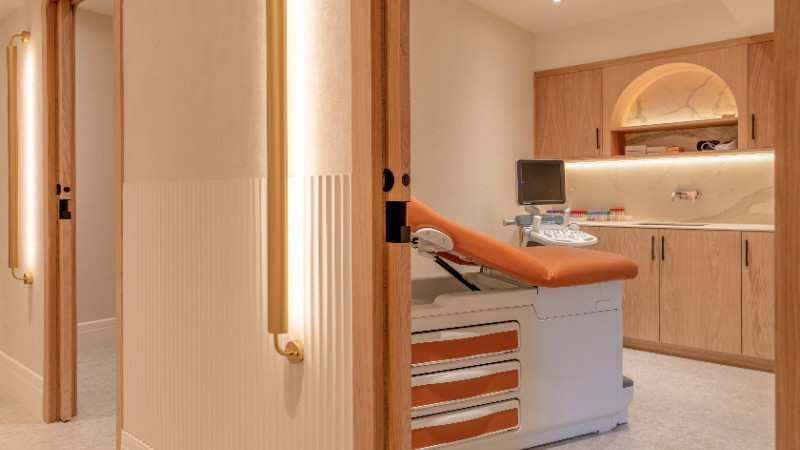
Visit our clinic
We are located in the heart of Barcelona.
Location
Call us now
Leave a message